• HOME
  • NEWS
  • EXPLORE
    • CAREER
      • Companies
      • Jobs
    • EVENTS
    • iGEM
      • News
      • Team
    • PHOTOS
    • VIDEO
    • WIKI
  • BLOG
  • COMMUNITY
    • FACEBOOK
    • INSTAGRAM
    • TWITTER
Monday, May 11, 2026
BIOENGINEER.ORG
No Result
View All Result
  • Login
  • HOME
  • NEWS
  • EXPLORE
    • CAREER
      • Companies
      • Jobs
        • Lecturer
        • PhD Studentship
        • Postdoc
        • Research Assistant
    • EVENTS
    • iGEM
      • News
      • Team
    • PHOTOS
    • VIDEO
    • WIKI
  • BLOG
  • COMMUNITY
    • FACEBOOK
    • INSTAGRAM
    • TWITTER
  • HOME
  • NEWS
  • EXPLORE
    • CAREER
      • Companies
      • Jobs
        • Lecturer
        • PhD Studentship
        • Postdoc
        • Research Assistant
    • EVENTS
    • iGEM
      • News
      • Team
    • PHOTOS
    • VIDEO
    • WIKI
  • BLOG
  • COMMUNITY
    • FACEBOOK
    • INSTAGRAM
    • TWITTER
No Result
View All Result
Bioengineer.org
No Result
View All Result
Home NEWS Science News Biology

Fungi found in cotton can decrease root knot nematode galling

Bioengineer by Bioengineer
April 6, 2020
in Biology
Reading Time: 2 mins read
0
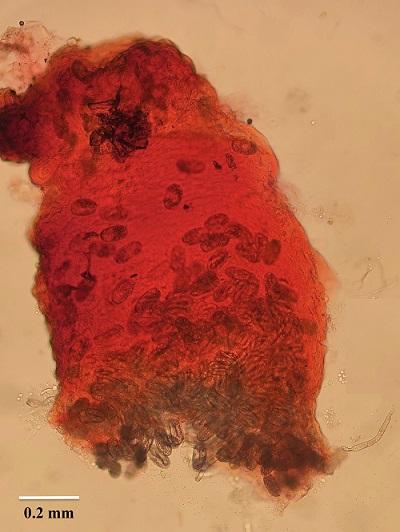
IMAGE
Share on FacebookShare on TwitterShare on LinkedinShare on RedditShare on Telegram

IMAGE

Credit: Cesar Valencia

Texas A&M University scientists found that a surprising number of fungi naturally associated with cultivated cotton were capable of curtailing the negative effects of a plant parasite known as the Southern root knot nematode, an economically damaging pest of cotton with the ability to significantly reduce yields. These fungi live in the soil or even inside of the cotton plants themselves but their effects on plant health have been mostly overlooked.

Gregory Sword and colleagues at Texas A&M University inoculated cotton seeds with a diverse array of fungal isolates and tested the resulting seedlings in greenhouse trials for susceptibility to gall formation by root knot nematodes. A majority (77 percent) of the fungal treatments reduced galling and these reductions were highly repeatable across independent trials.

“Our findings indicate that many fungi associated with cotton may have previously unappreciated positive effects on plant health and tolerance to stressors,” said Sword. “Our research provides a rich pool of candidate fungi for further testing as potential biological tools for root knot nematode management in cotton and other plants.”

Taxonomy was not a reliable predictor of the fungal effects, according to Sword. Isolates of the same fungal species had contrasting efforts, as some isolates increased galling while others decreased it.

While this study primarily draws on microbiology, nematology, and plant pathology, Gregory Sword, who started the research, is an insect ecologist with no formal training in those fields.

“The study is an example of multidisciplinary collaboration coming together to conduct a project that otherwise would not have been possible,” Sword said. “It’s also an example of not being afraid to think outside the box. Lots of people were skeptical at first when I started this research, including some of the co-authors who went on to become very important collaborators!”

Sword first worked with fungal endophytes at the University of Sydney. He accepted a position at Texas A&M University to work on cotton and immediately began compiling a fungal endophyte collection from cotton grown around the state. He used this data to see if he could find fungi that might have a negative effect on insects when inoculated back to the plant.

“The most surprising outcome has been the large number of isolates that we’ve found so far that have positive effects on plants when they are challenged with a range of biotic and abiotic stressors, including nematodes as we show in the current study,” said Sword. “The work even captured the interest of an industry partner that licensed my entire endophyte library for commercial product development.”

###

For more information about this research, read “Tapping Into the Cotton Fungal Phytobiome for Novel Nematode Biological Control Tools” published in the March issue of Phytobiomes Journal.

Media Contact
Ashley Bergman Carlin
[email protected]

Related Journal Article

http://dx.doi.org/10.1094/PBIOMES-08-19-0043-SC

Tags: Agricultural Production/EconomicsAgricultureBiologyEcology/EnvironmentEntomologyFertilizers/Pest ManagementGeology/SoilMycologyPlant Sciences
Share12Tweet8Share2ShareShareShare2

Related Posts

CRISPRi Screening Identifies Fungal-Specific Drug Targets — Biology

CRISPRi Screening Identifies Fungal-Specific Drug Targets

May 11, 2026
Transforming Jellyfish Bycatch into a Valuable Collagen Source for Cosmetics and Biotechnology — Biology

Transforming Jellyfish Bycatch into a Valuable Collagen Source for Cosmetics and Biotechnology

May 11, 2026

Ancient Plant Populations Reveal Fresh Insights into Climate Resilience

May 8, 2026

Rare Brain Disorders in Children Linked to Mutations in Lesser-Known Protein Complex

May 8, 2026
Please login to join discussion

POPULAR NEWS

  • Research Indicates Potential Connection Between Prenatal Medication Exposure and Elevated Autism Risk

    841 shares
    Share 336 Tweet 210
  • New Study Reveals Plants Can Detect the Sound of Rain

    728 shares
    Share 290 Tweet 182
  • Salmonella Haem Blocks Macrophages, Boosts Infection

    62 shares
    Share 25 Tweet 16
  • Breastmilk Balances E. coli and Beneficial Bacteria in Infant Gut Microbiomes

    57 shares
    Share 23 Tweet 14

About

BIOENGINEER.ORG

We bring you the latest biotechnology news from best research centers and universities around the world. Check our website.

Follow us

Recent News

CRISPRi Screening Identifies Fungal-Specific Drug Targets

Helical Flows Induce Rotation in Viscous Microenvironments

Lipid Profiles in Amygdala: Sporadic vs GBA Parkinson’s

Subscribe to Blog via Email

Enter your email address to subscribe to this blog and receive notifications of new posts by email.

Join 82 other subscribers
  • Contact Us

Bioengineer.org © Copyright 2023 All Rights Reserved.

Welcome Back!

Login to your account below

Forgotten Password?

Retrieve your password

Please enter your username or email address to reset your password.

Log In
No Result
View All Result
  • Homepages
    • Home Page 1
    • Home Page 2
  • News
  • National
  • Business
  • Health
  • Lifestyle
  • Science

Bioengineer.org © Copyright 2023 All Rights Reserved.