

• HOME
  • NEWS
  • EXPLORE
    • CAREER
      • Companies
      • Jobs
    • EVENTS
    • iGEM
      • News
      • Team
    • PHOTOS
    • VIDEO
    • WIKI
  • BLOG
  • COMMUNITY
    • FACEBOOK
    • INSTAGRAM
    • TWITTER
Sunday, August 16, 2026
BIOENGINEER.ORG
No Result
View All Result
  • Login
  • HOME
  • NEWS
  • EXPLORE
    • CAREER
      • Companies
      • Jobs
        • Lecturer
        • PhD Studentship
        • Postdoc
        • Research Assistant
    • EVENTS
    • iGEM
      • News
      • Team
    • PHOTOS
    • VIDEO
    • WIKI
  • BLOG
  • COMMUNITY
    • FACEBOOK
    • INSTAGRAM
    • TWITTER
  • HOME
  • NEWS
  • EXPLORE
    • CAREER
      • Companies
      • Jobs
        • Lecturer
        • PhD Studentship
        • Postdoc
        • Research Assistant
    • EVENTS
    • iGEM
      • News
      • Team
    • PHOTOS
    • VIDEO
    • WIKI
  • BLOG
  • COMMUNITY
    • FACEBOOK
    • INSTAGRAM
    • TWITTER
No Result
View All Result
Bioengineer.org
No Result
View All Result
Home NEWS Science News Health

For-profit dialysis provider charges private insurers 4 times more than government payers

Bioengineer by Bioengineer
May 15, 2019
in Health
Reading Time: 2 mins read
0
IMAGE
Share on FacebookShare on TwitterShare on LinkedinShare on RedditShare on Telegram

IMAGE

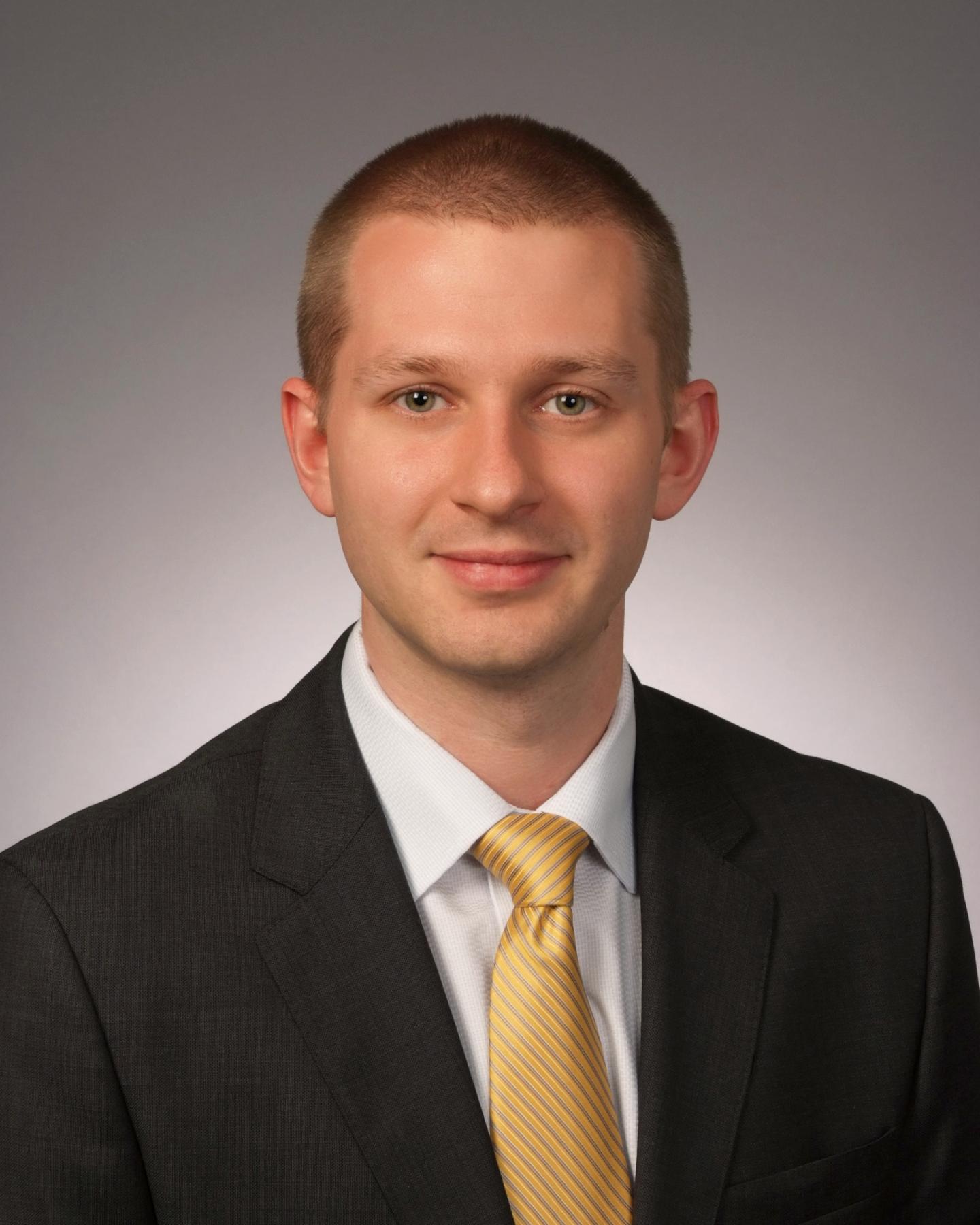
Credit: UCLA Health

FINDINGS

Private insurers covering people receiving treatment for dialysis paid four times more than government insurance programs such as Medicare paid for the same service. The study found that government programs paid, on average, $248 per dialysis session, compared with $1,041 per session for people with private insurance.

BACKGROUND

Medicare covers treatment for all dialysis patients, not just those 65 and older. Medicare pays a fixed rate for dialysis care. However, if patients have private insurance, such as through their employer, the dialysis treatment is paid by the private insurer instead of Medicare. Unlike Medicare, private insurers must negotiate with dialysis clinics on the prices they will pay.

Two for-profit companies, DaVita and Fresenius Medical Care, control about 75 percent of the U.S. dialysis market. DaVita alone controls 37 percent of the market, operating more than 2,500 U.S. clinics, the researchers say.

METHOD

The researchers reviewed DaVita’s annual financial statements from January 2010 to December 2017 filed with the U.S. Securities and Exchange Commission. They limited their scrutiny to the company’s “dialysis and related lab services” segment, which includes outpatient hemodialysis, peritoneal dialysis and inpatient dialysis.

The study has some limitations. For instance, some private insurers may pay more or less than the averages listed above, and the results may not apply to for-profit or not-for-profit dialysis providers other than DaVita.

IMPACT

Previous research has shown that the prices paid for medical care in the United States are higher than all other developed nations. This study corroborates these findings in the dialysis market and could lead to policies that reduce the prices paid, in particular by private insurers.

AUTHORS

The authors are Dr. Christopher Childers, Dr. Jill Dworsky and Dr. Melinda Maggard-Gibbons of the department of surgery, David Geffen School of Medicine at UCLA; and Gerald Kominski of the UCLA Center for Health Policy Research in the UCLA Fielding School of Public Health.

JOURNAL

The study is published in JAMA Internal Medicine.

FUNDING

The Agency for Healthcare Research and Quality in the Department of Health and Human Services funded this study.

###

UCLA RESEARCH BRIEF

Enrique Rivero | May 13, 2019

Media Contact
Enrique Rivero
[email protected]

Original Source

http://newsroom.ucla.edu/releases/for-profit-dialysis-provider-private-insurers

Tags: DiabetesDiet/Body WeightHealth CareHealth Care Systems/ServicesInsuranceMedicine/Health
Share12Tweet8Share2ShareShareShare2

Related Posts

PARP1 Drives Neuropathic Pain Through GPX4-Dependent Ferroptosis in Injured Mice’s Sensory Neurons

August 15, 2026

Genome-wide skin pQTL map reveals genetic regulators and mechanisms underlying skin disorders

August 15, 2026

Levistilide A Drives Ferroptosis via RNF40-HSP90α Axis, Suppressing Colorectal Cancer Lung Metastasis

August 15, 2026

Sintilimab, IBI305, and Chemotherapy Show Promise in First-Line Advanced Gastric and GEJ Adenocarcinoma

August 15, 2026
Please login to join discussion

POPULAR NEWS

  • KAIST develops semiconductor neuron that harnesses noise to selectively process signals

    29 shares
    Share 12 Tweet 7
  • Imagining natural and extra robotic thumbs together strengthens kinesthetic sensorimotor networks

    29 shares
    Share 12 Tweet 7
  • PARP1 Drives Neuropathic Pain Through GPX4-Dependent Ferroptosis in Injured Mice’s Sensory Neurons

    29 shares
    Share 12 Tweet 7
  • Strubbelig–NHL3 Receptor Complex Helps Arabidopsis Respond to Cellulose Deficiency

    29 shares
    Share 12 Tweet 7

About

We bring you the latest biotechnology news from best research centers and universities around the world. Check our website.

Follow us

Recent News

KAIST develops semiconductor neuron that harnesses noise to selectively process signals

Imagining natural and extra robotic thumbs together strengthens kinesthetic sensorimotor networks

PARP1 Drives Neuropathic Pain Through GPX4-Dependent Ferroptosis in Injured Mice’s Sensory Neurons

Subscribe to Blog via Email

Success! An email was just sent to confirm your subscription. Please find the email now and click 'Confirm' to start subscribing.

Join 85 other subscribers
  • Contact Us

Bioengineer.org © Copyright 2023 All Rights Reserved.

Welcome Back!

Login to your account below

Forgotten Password?

Retrieve your password

Please enter your username or email address to reset your password.

Log In
No Result
View All Result
  • Homepages
    • Home Page 1
    • Home Page 2
  • News
  • National
  • Business
  • Health
  • Lifestyle
  • Science

Bioengineer.org © Copyright 2023 All Rights Reserved.

