• HOME
  • NEWS
  • EXPLORE
    • CAREER
      • Companies
      • Jobs
    • EVENTS
    • iGEM
      • News
      • Team
    • PHOTOS
    • VIDEO
    • WIKI
  • BLOG
  • COMMUNITY
    • FACEBOOK
    • INSTAGRAM
    • TWITTER
Monday, May 18, 2026
BIOENGINEER.ORG
No Result
View All Result
  • Login
  • HOME
  • NEWS
  • EXPLORE
    • CAREER
      • Companies
      • Jobs
        • Lecturer
        • PhD Studentship
        • Postdoc
        • Research Assistant
    • EVENTS
    • iGEM
      • News
      • Team
    • PHOTOS
    • VIDEO
    • WIKI
  • BLOG
  • COMMUNITY
    • FACEBOOK
    • INSTAGRAM
    • TWITTER
  • HOME
  • NEWS
  • EXPLORE
    • CAREER
      • Companies
      • Jobs
        • Lecturer
        • PhD Studentship
        • Postdoc
        • Research Assistant
    • EVENTS
    • iGEM
      • News
      • Team
    • PHOTOS
    • VIDEO
    • WIKI
  • BLOG
  • COMMUNITY
    • FACEBOOK
    • INSTAGRAM
    • TWITTER
No Result
View All Result
Bioengineer.org
No Result
View All Result
Home NEWS Science News Biology

Foot fossil of juvenile hominin exhibits ape-like features

Bioengineer by Bioengineer
July 4, 2018
in Biology
Reading Time: 2 mins read
0
Share on FacebookShare on TwitterShare on LinkedinShare on RedditShare on Telegram
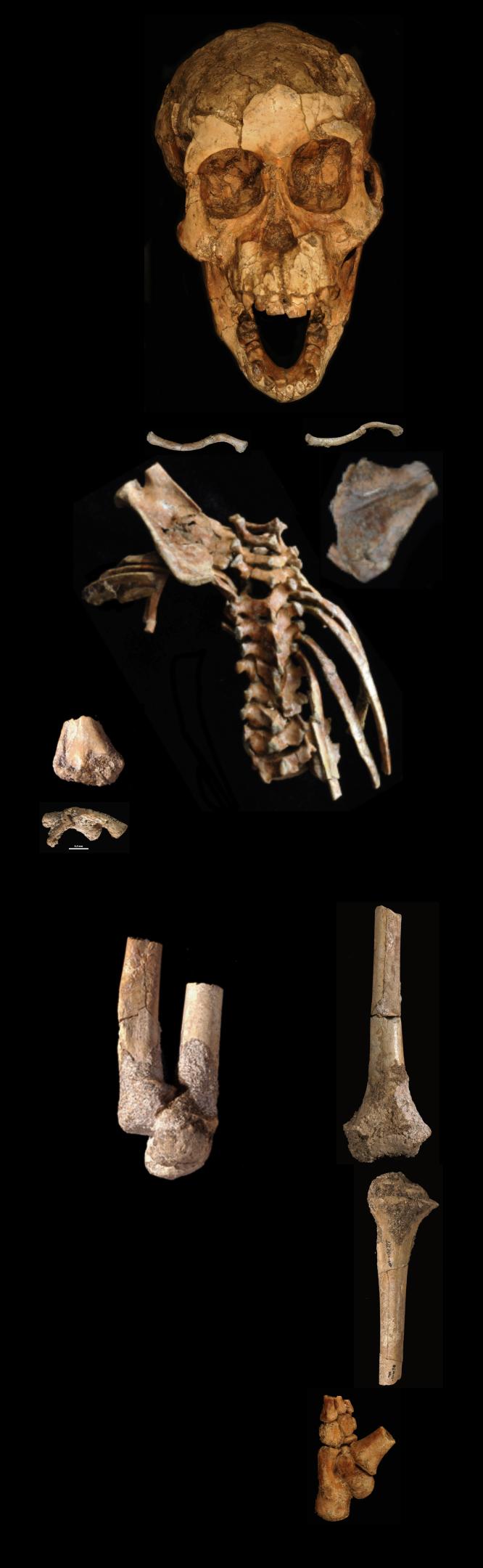
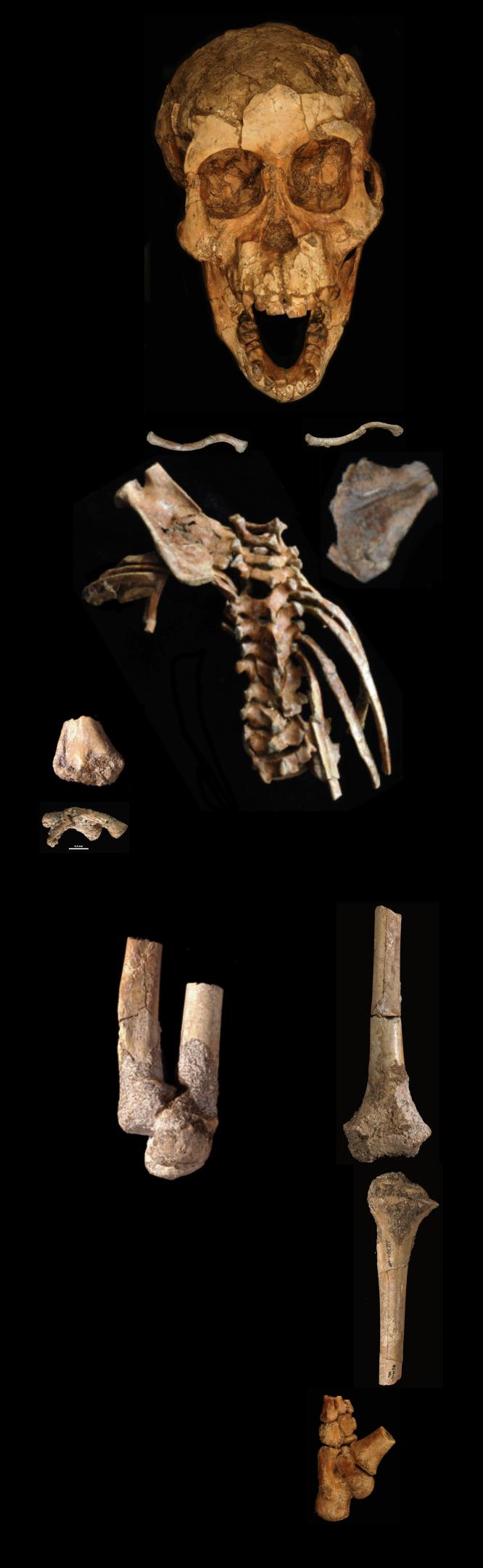
IMAGE

Credit: Zeray Alemseged

A rare juvenile foot fossil of our early hominin ancestor, Australopithecus afarensis, exhibits several ape-like foot characteristics that could have aided in foot grasping for climbing trees, a new study shows. This finding challenges the long-held assumption that A. afarensis was exclusively bipedal (using only two legs for walking) and only occasionally climbed into trees. Juvenile hominin fossils provide unique insights into how traits (like foot grasping) become less apparent as the individual grows into adulthood. However, juvenile specimens of most human hominin ancestors are scarce, and thus, it has been difficult to trace how important traits are selected in animals, over time. In 2002, archeologists discovered a well-preserved, partial skeleton of an infant A. afarensis, thought to be around 3-years-old at the time of death. Although this 3.32-million-year-old fossil from Dikika, Ethiopia, was announced in a previous 2006 study, many of the skeleton's elements, including the partial foot known as DIK-1-1f, were encased in sediment and therefore had to be carefully uncovered. Many of these structures have now been exposed after additional preparatory work through 2013, and here, Jeremy M. DeSilva and colleagues report on this juvenile hominin's foot features. They discovered that this infant possessed many of the structures necessary to walk on two legs that have been found in adult specimens, but it also retained a convexity of the medial cuneiform – a bone important for joint movement, such as that involved in climbing – into adulthood, they say. This evidence of increased mobility of the toe is an ape-like pattern that DeSilva et al. say is suggestive of a selective advantage of this trait and which offers new insights into the evolution of bipedality.

###

Media Contact

Jeremy M. DeSilva
[email protected]
603-646-8192
@AAAS

http://www.aaas.org

Related Journal Article

http://dx.doi.org/10.1126/sciadv.aar7723

Share12Tweet8Share2ShareShareShare2

Related Posts

Uncovering C. elegans Immunity via Genetic Screens — Biology

Uncovering C. elegans Immunity via Genetic Screens

May 16, 2026
Single mother must adapt swiftly — the survival of her colony depends on it — Biology

Single mother must adapt swiftly — the survival of her colony depends on it

May 15, 2026

Why Are Nearly Everyone Right-Handed? It Might Be Linked to How We Learned to Walk

May 15, 2026

Excessive Neuronal Activity Initiates Severe Autoimmune Brain Disorder

May 15, 2026
Please login to join discussion

POPULAR NEWS

  • Research Indicates Potential Connection Between Prenatal Medication Exposure and Elevated Autism Risk

    844 shares
    Share 338 Tweet 211
  • New Study Reveals Plants Can Detect the Sound of Rain

    731 shares
    Share 292 Tweet 182
  • Salmonella Haem Blocks Macrophages, Boosts Infection

    62 shares
    Share 25 Tweet 16
  • Breastmilk Balances E. coli and Beneficial Bacteria in Infant Gut Microbiomes

    58 shares
    Share 23 Tweet 15

About

We bring you the latest biotechnology news from best research centers and universities around the world. Check our website.

Follow us

Recent News

Sharpening Our View of Bacteria

Spaceborne Snapshot Compressive Hyperspectral Imaging Advances

AI Enhances Quality Control of Schistosomiasis Tests

Subscribe to Blog via Email

Enter your email address to subscribe to this blog and receive notifications of new posts by email.

Join 82 other subscribers
  • Contact Us

Bioengineer.org © Copyright 2023 All Rights Reserved.

Welcome Back!

Login to your account below

Forgotten Password?

Retrieve your password

Please enter your username or email address to reset your password.

Log In
No Result
View All Result
  • Homepages
    • Home Page 1
    • Home Page 2
  • News
  • National
  • Business
  • Health
  • Lifestyle
  • Science

Bioengineer.org © Copyright 2023 All Rights Reserved.