• HOME
  • NEWS
  • EXPLORE
    • CAREER
      • Companies
      • Jobs
    • EVENTS
    • iGEM
      • News
      • Team
    • PHOTOS
    • VIDEO
    • WIKI
  • BLOG
  • COMMUNITY
    • FACEBOOK
    • INSTAGRAM
    • TWITTER
Saturday, May 16, 2026
BIOENGINEER.ORG
No Result
View All Result
  • Login
  • HOME
  • NEWS
  • EXPLORE
    • CAREER
      • Companies
      • Jobs
        • Lecturer
        • PhD Studentship
        • Postdoc
        • Research Assistant
    • EVENTS
    • iGEM
      • News
      • Team
    • PHOTOS
    • VIDEO
    • WIKI
  • BLOG
  • COMMUNITY
    • FACEBOOK
    • INSTAGRAM
    • TWITTER
  • HOME
  • NEWS
  • EXPLORE
    • CAREER
      • Companies
      • Jobs
        • Lecturer
        • PhD Studentship
        • Postdoc
        • Research Assistant
    • EVENTS
    • iGEM
      • News
      • Team
    • PHOTOS
    • VIDEO
    • WIKI
  • BLOG
  • COMMUNITY
    • FACEBOOK
    • INSTAGRAM
    • TWITTER
No Result
View All Result
Bioengineer.org
No Result
View All Result
Home NEWS Science News Health

First patient for Parkinson’s disease trial recruited

Bioengineer by Bioengineer
January 9, 2020
in Health
Reading Time: 2 mins read
0
IMAGE
Share on FacebookShare on TwitterShare on LinkedinShare on RedditShare on Telegram

IMAGE

Credit: Credit: Royal United Hospitals Bath NHS Foundation Trust.


The first patient has been recruited for a UK-wide trial into tackling one of the most disabling complications of Parkinson’s disease, led by the Royal United Hospitals Bath NHS Foundation Trust and the University of Bristol.

The trial, funded by a £2.1 million grant from the National Institute for Health Research (NIHR), will test whether a commonly prescribed dementia drug could prevent debilitating falls for people with the disease. Falls are a frequent complication of Parkinson’s, leading to patients suffering from injuries and broken bones and often needing hospital admission.

RUH Research Lead Nurse Ruth Hamlin said: “To recruit our first patient is hugely significant and marks the official start of what is a really important study. While there is no cure for Parkinson’s, our hope is that this research and its eventual findings will help to improve patients’ quality of life.”

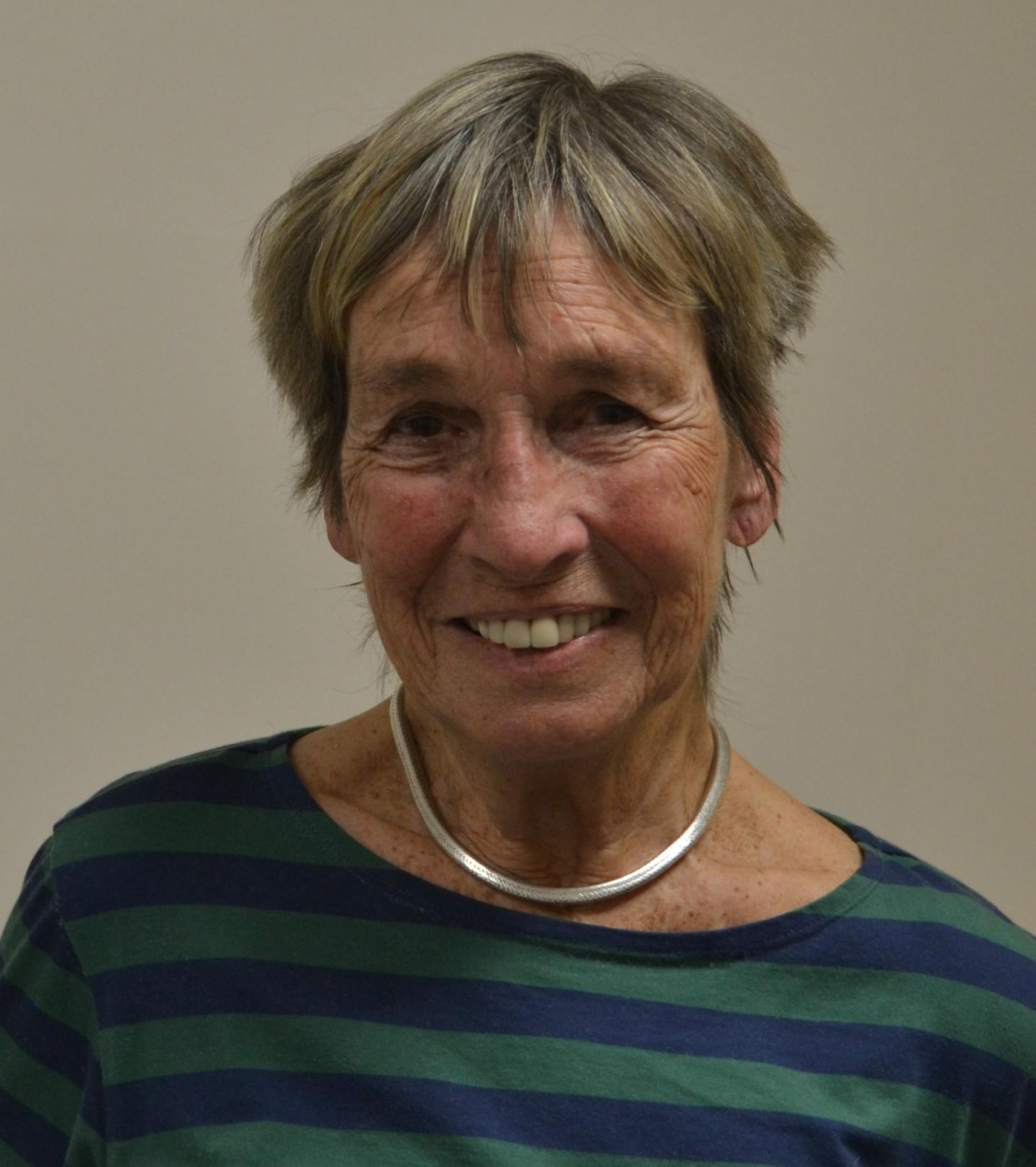
Gitte Dawson, from Freshford, near Bath, was diagnosed with Parkinson’s seven years ago and has experienced a number of what she describes as ‘Parkinson’s falls’.

She said: “I’m very interested in this research and learning about its findings. It’s very practical and do-able for a patient like me on a daily basis, which is important because we’ll be taking part for a year.”

The three-year trial is led by Dr Emily Henderson, a Consultant Geriatrician at the Royal United Hospital in Bath and Senior Lecturer at the University of Bristol. It will recruit 600 patients across 26 UK hospitals to determine whether a drug, known as a cholinesterase inhibitor (ChEi) will help people with Parkinson’s.

Earlier phase trials have shown that ChEi treatment has potential to almost halve the number of falls and improves the regularity of walking, speed, and balance.

Dr Henderson said: “This research will provide definitive evidence as to the role of these drugs for falls. We are working hard to tackle one of the most disabling complications of Parkinson’s and, if successful, this treatment will improve the lives of people living with Parkinson’s now and has the potential to be tested in other groups of patients who are at high risk of falling.”

Trial patients will be randomly assigned a 12-month course of either a ChEi via a patch or a placebo (dummy) treatment. However, neither the researchers nor the participants will know which group they are in. Patients will be asked to record any falls that they experience in diaries that they post back each month for a year.

Dr Tim Craft, Trust Director of Research and Innovation, said: “I’m delighted that this trial has now begun and proud that the RUH is leading with the University of Bristol in such important research that has the potential to benefit people worldwide.”

Findings from the trial, funded by the NIHR Health Technology Assessment programme (HTA), will be published in a research journal.

###

Media Contact
Caroline Clancy
[email protected]
44-011-742-82407
Tags: Clinical TrialsMedicine/HealthneurobiologyParkinson
Share12Tweet8Share2ShareShareShare2

Related Posts

Metabolic Stress Worsens Parkinson’s via Mitochondrial Ferroptosis

May 16, 2026

Four New Hydroxyl Fatty Acids from Bacillus sp.

May 16, 2026

Validating B-IPQ Short Form for Older Colombians

May 16, 2026

New Actinomycin Derivatives Target Malaria More Selectively

May 16, 2026
Please login to join discussion

POPULAR NEWS

  • Research Indicates Potential Connection Between Prenatal Medication Exposure and Elevated Autism Risk

    844 shares
    Share 338 Tweet 211
  • New Study Reveals Plants Can Detect the Sound of Rain

    730 shares
    Share 291 Tweet 182
  • Salmonella Haem Blocks Macrophages, Boosts Infection

    62 shares
    Share 25 Tweet 16
  • Breastmilk Balances E. coli and Beneficial Bacteria in Infant Gut Microbiomes

    58 shares
    Share 23 Tweet 15

About

We bring you the latest biotechnology news from best research centers and universities around the world. Check our website.

Follow us

Recent News

Congenital Heart Disease’s Lasting Impact on Brain Health

Metabolic Stress Worsens Parkinson’s via Mitochondrial Ferroptosis

Four New Hydroxyl Fatty Acids from Bacillus sp.

Subscribe to Blog via Email

Enter your email address to subscribe to this blog and receive notifications of new posts by email.

Join 82 other subscribers
  • Contact Us

Bioengineer.org © Copyright 2023 All Rights Reserved.

Welcome Back!

Login to your account below

Forgotten Password?

Retrieve your password

Please enter your username or email address to reset your password.

Log In
No Result
View All Result
  • Homepages
    • Home Page 1
    • Home Page 2
  • News
  • National
  • Business
  • Health
  • Lifestyle
  • Science

Bioengineer.org © Copyright 2023 All Rights Reserved.