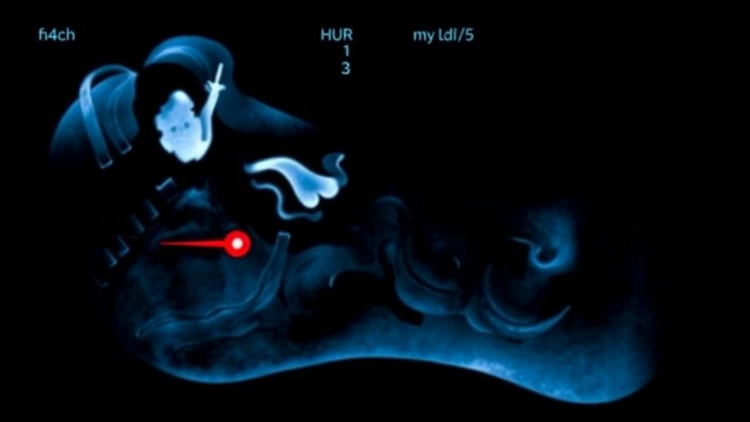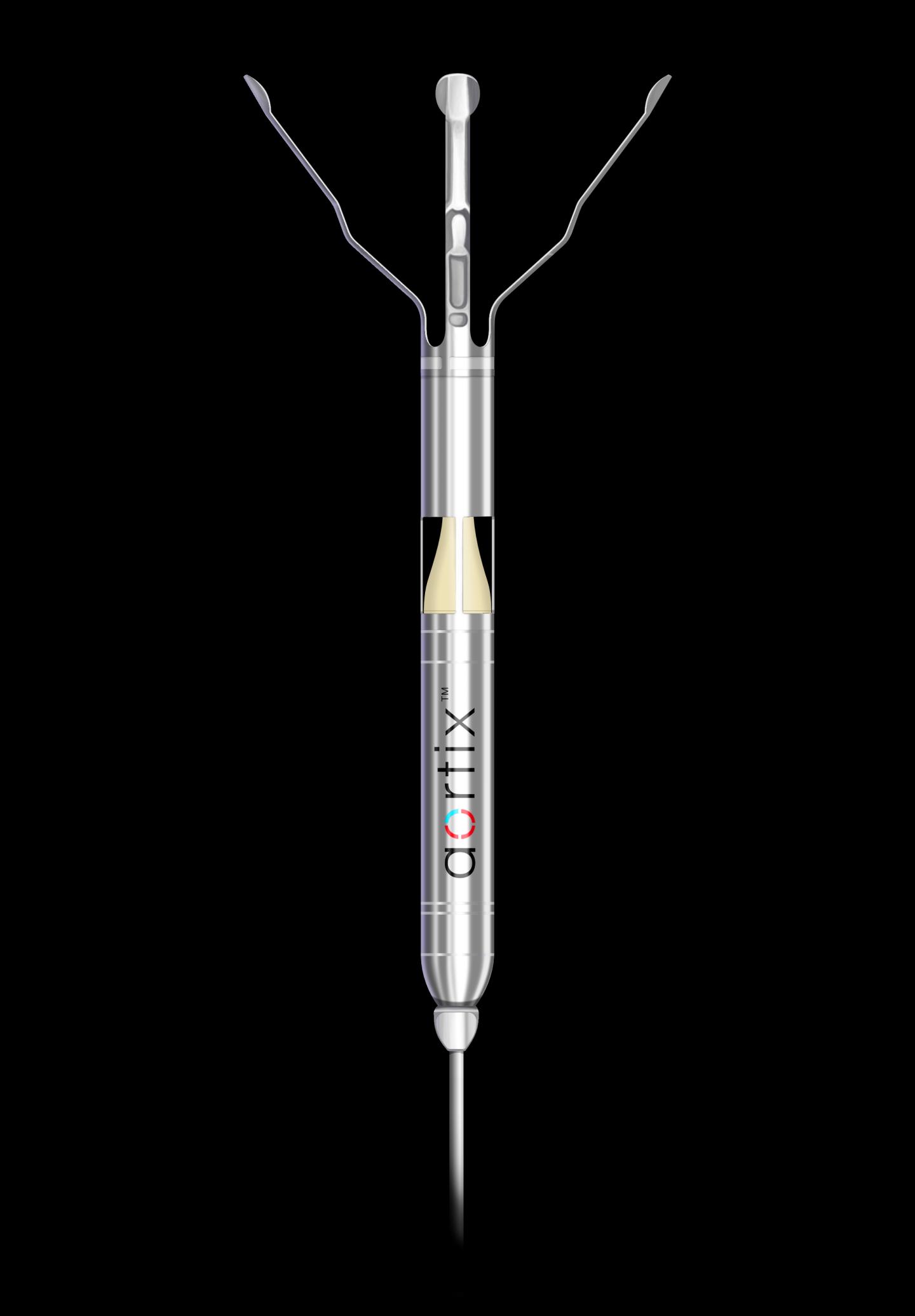
Thinner than a #2 pencil, the heart pump is being studied for boosting blood flow
DETROIT (June 3, 2021) – Cardiologists at Henry Ford Hospital are first in the U.S. and second in the world to implant a circulatory support device that is being investigated in a clinical trial for patients hospitalized with acute decompensated heart failure (ADHF) and worsening kidney function, a condition known as cardiorenal syndrome.
The heart pump is being evaluated in a multi-site clinical trial in the United States and Australia. Henry Ford is the only U.S. site involved in the trial.
“When a patient is suffering from ADHF, the amount of blood the heart pumps to the kidneys may be insufficient for the kidneys to work at full capacity,” said Gillian Grafton, D.O., an advanced heart failure and critical care cardiologist, and co-principal investigator of the trial at Henry Ford. “The kidneys are responsible for maintaining the fluid balance that keeps heart failure congestion in check. Heart failure by itself is a chronic and progressive condition, but the additional complication of reduced kidney function can significantly worsen a patient’s condition.”
When suffering from heart failure, the body may compensate for the heart’s weakened state in several ways. These can include the narrowing of blood vessels to keep blood pressure up, and diverting blood flow away from organs like the kidneys to supply more critical organs, such as the brain. Cardiorenal syndrome encompasses a spectrum of disorders involving both the heart and kidneys in which acute or chronic dysfunction in one organ may induce acute or chronic dysfunction in the other organ.
“Heart failure is a leading cause of morbidity, hospitalization and mortality in older adults,” said Cristina Tita, M.D., an advanced heart failure and transplant cardiologist, and co-principal investigator of the trial at Henry Ford. “Cardiorenal syndrome is associated with twice the mortality of heart failure without renal dysfunction, as well as increased length of stay and rehospitalization rates.”
According to the Centers for Disease Control and Prevention (CDC), heart failure affects approximately 6.2 million Americans. In 2018, heart failure was mentioned on 379,800 death certificates, which represents 13.4% of the total number of death certificates in the U.S. that year. Certain medical conditions can increase a person’s risk for heart failure, including coronary artery disease, diabetes, high blood pressure, obesity, valvular heart disease, and other conditions related to heart disease. Heart failure risk can also be increased by unhealthy behaviors and lifestyle factors, such as smoking; regularly eating foods high in fat, cholesterol, and sodium; not getting enough physical activity; and excessive alcohol intake.
###
To learn more about heart failure treatment at Henry Ford, visit henryford.com/services/advanced-heart-failure.
About Henry Ford Health System:
Founded in 1915 by Henry Ford himself, Henry Ford Health System is a non-profit, integrated health system committed to improving people’s lives through excellence in the science and art of healthcare and healing. Henry Ford Health System includes Henry Ford Medical Group, with more than 1,900 physicians and researchers practicing in more than 50 specialties at locations throughout Southeast and Central Michigan. Acute care hospitals include Henry Ford Hospital in Detroit, MI and Henry Ford Allegiance Health in Jackson, MI – both Magnet® hospitals; Henry Ford Macomb Hospital; Henry Ford West Bloomfield Hospital; and Henry Ford Wyandotte Hospital.
The largest of these is Henry Ford Hospital in Detroit, a quaternary care research and teaching hospital and Level 1 Trauma Center recognized for clinical excellence in cardiology, cardiovascular surgery, neurology, neurosurgery, and multi-organ transplants. The health system also provides comprehensive, best-in-class care for cancer at the Brigitte Harris Cancer Pavilion, and orthopedics and sports medicine at the William Clay Ford Center for Athletic Medicine – both in Detroit.
As one of the nation’s leading academic medical centers, Henry Ford Health System annually trains more than 3,000 medical students, residents, and fellows in more than 50 accredited programs, and has trained nearly 40% of the state’s physicians. Our dedication to education and research is supported by nearly $100 million in annual grants from the National Institutes of Health and other public and private foundations.
Our not-for-profit health plan, Health Alliance Plan (HAP) provides health coverage for more than 540,000 people.
Henry Ford Health System employs more than 33,000 people, including more than 1,600 physicians, more than 6,600 nurses and 5,000 allied health professionals.
Media Contact
Jeff Adkins
[email protected]
Original Source
https:/