• HOME
  • NEWS
  • EXPLORE
    • CAREER
      • Companies
      • Jobs
    • EVENTS
    • iGEM
      • News
      • Team
    • PHOTOS
    • VIDEO
    • WIKI
  • BLOG
  • COMMUNITY
    • FACEBOOK
    • INSTAGRAM
    • TWITTER
Saturday, February 7, 2026
BIOENGINEER.ORG
No Result
View All Result
  • Login
  • HOME
  • NEWS
  • EXPLORE
    • CAREER
      • Companies
      • Jobs
        • Lecturer
        • PhD Studentship
        • Postdoc
        • Research Assistant
    • EVENTS
    • iGEM
      • News
      • Team
    • PHOTOS
    • VIDEO
    • WIKI
  • BLOG
  • COMMUNITY
    • FACEBOOK
    • INSTAGRAM
    • TWITTER
  • HOME
  • NEWS
  • EXPLORE
    • CAREER
      • Companies
      • Jobs
        • Lecturer
        • PhD Studentship
        • Postdoc
        • Research Assistant
    • EVENTS
    • iGEM
      • News
      • Team
    • PHOTOS
    • VIDEO
    • WIKI
  • BLOG
  • COMMUNITY
    • FACEBOOK
    • INSTAGRAM
    • TWITTER
No Result
View All Result
Bioengineer.org
No Result
View All Result
Home NEWS Science News Biology

Finding Nemo’s genes

Bioengineer by Bioengineer
September 11, 2018
in Biology
Reading Time: 2 mins read
0
Share on FacebookShare on TwitterShare on LinkedinShare on RedditShare on Telegram
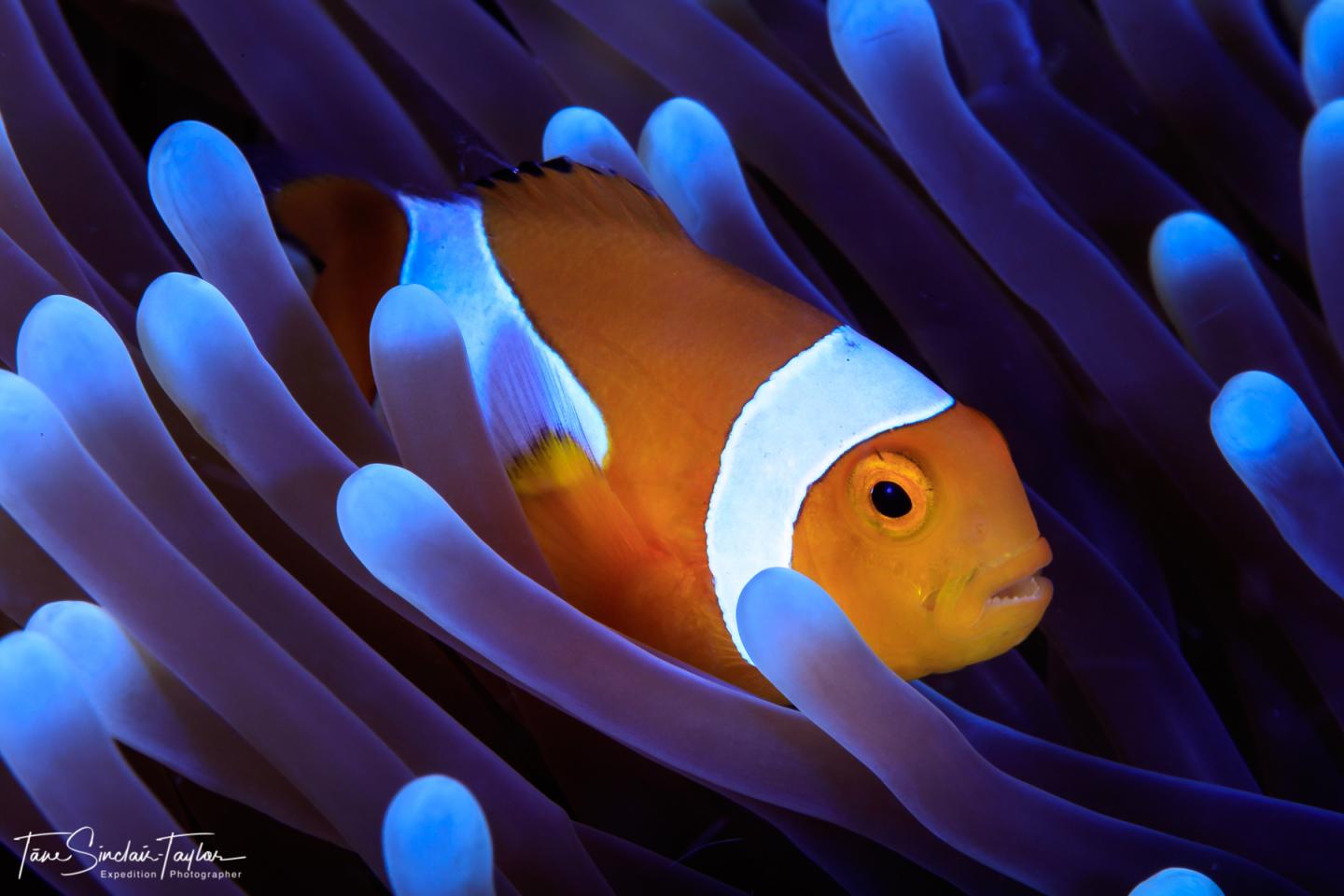
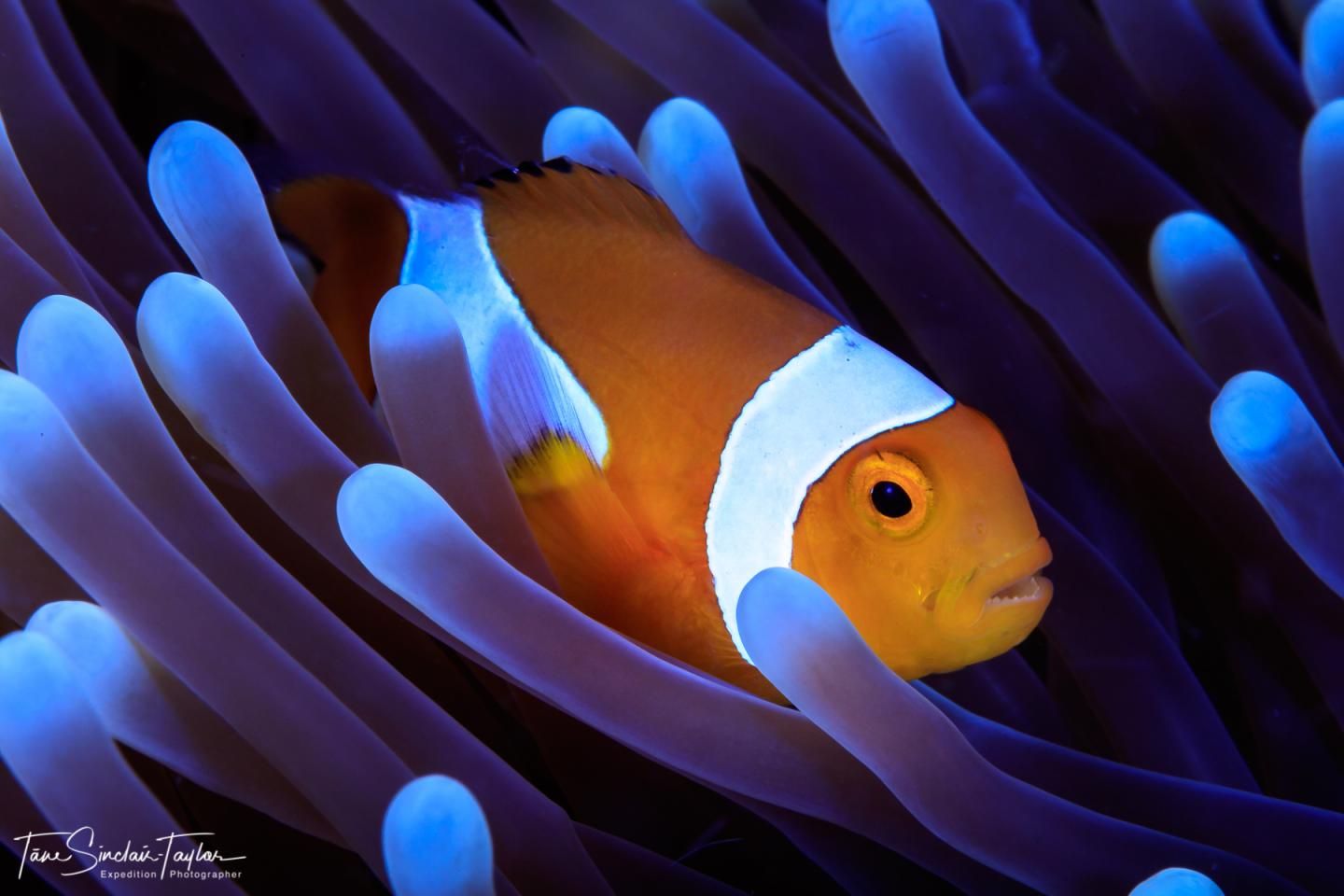
IMAGE

Credit: Tane Sinclair-Taylor

An international team of researchers has mapped Nemo's genome, providing the research community with an invaluable resource to decode the response of fish to environmental changes, including climate change.

In a breakthrough study led by the King Abdullah University of Science and Technology (KAUST) and the ARC Centre of Excellence for Coral Reef Studies (Coral CoE), researchers used high-tech sequencing tools to create one of the most complete genetic maps for the orange clownfish, a common reef inhabitant and star of the Disney movie, Finding Nemo.

"This genome provides an essential blueprint for understanding every aspect of the reef fish's biology," said lead author Dr Robert Lehmann of KAUST in Saudi Arabia.

"It contains 26,597 protein coding genes. And like the world's largest jigsaw puzzle, it took patience and time to assemble."

The orange clownfish, Amphiprion percula, is not only the most recognized reef fish on Earth, but also one of the most highly studied.

"This species has been central to ground-breaking research in the ecological, environmental and evolutionary aspects of reef fishes," said co-author Professor Philip Munday of Coral CoE at James Cook University in Australia.

"For example, the clownfish is a model for studying sex change in fishes. It has also helped us understand patterns of larval dispersal in reef fishes and it's the first fish species for which it was demonstrated that predator avoidance behaviour could be impaired by ocean acidification."

The team used state-of-the-art technology to sequence the clownfish's genome. Their genomic and transcriptomic data is now available via the Nemo Genome DB database at http://nemogenome.org.

"The clownfish comprises approximately 939 million nucleotides that needed to be fit together," said co-author Professor Timothy Ravasi of KAUST.

"This is an extremely valuable resource for the research community and will further establish the orange clownfish as an ideal lab subject for genetics and genomic studies."

"This is one of the most complete fish genomes ever produced," said co-author Professor David Miller of Coral CoE at James Cook University.

"Using the PacBio single molecule, real-time sequencing technology, enabled us to achieve a polished result."

###

The paper "Finding Nemo's Genes: A chromosome-scale reference assembly of the genome of the organge clownfish, Amhiprion percula" is published today in the journal Molecular Ecology Resources.

Images available here: https://www.dropbox.com/sh/j0u310s59dmekqi/AAAP7ydtztWviGK6ZDkFudEaa?dl=0

Media Contact

Catherine Naum
[email protected]
042-878-5895
@CoralCoE

http://www.coralcoe.org.au/

Original Source

https://www.coralcoe.org.au/media-releases/finding-nemos-genes http://dx.doi.org/10.1101/278267

Share13Tweet8Share2ShareShareShare2

Related Posts

Florida Cane Toad: Complex Spread and Selective Evolution

Florida Cane Toad: Complex Spread and Selective Evolution

February 7, 2026
New Study Uncovers Mechanism Behind Burn Pit Particulate Matter–Induced Lung Inflammation

New Study Uncovers Mechanism Behind Burn Pit Particulate Matter–Induced Lung Inflammation

February 6, 2026

DeepBlastoid: Advancing Automated and Efficient Evaluation of Human Blastoids with Deep Learning

February 6, 2026

Navigating the Gut: The Role of Formic Acid in the Microbiome

February 6, 2026
Please login to join discussion

POPULAR NEWS

  • Robotic Ureteral Reconstruction: A Novel Approach

    Robotic Ureteral Reconstruction: A Novel Approach

    82 shares
    Share 33 Tweet 21
  • Digital Privacy: Health Data Control in Incarceration

    63 shares
    Share 25 Tweet 16
  • Study Reveals Lipid Accumulation in ME/CFS Cells

    57 shares
    Share 23 Tweet 14
  • Breakthrough in RNA Research Accelerates Medical Innovations Timeline

    53 shares
    Share 21 Tweet 13

About

We bring you the latest biotechnology news from best research centers and universities around the world. Check our website.

Follow us

Recent News

Personalized Guide to Understanding and Reducing Chemicals

Inflammasome Protein ASC Drives Pancreatic Cancer Metabolism

Phage-Antibiotic Combo Beats Resistant Peritoneal Infection

Subscribe to Blog via Email

Enter your email address to subscribe to this blog and receive notifications of new posts by email.

Join 73 other subscribers
  • Contact Us

Bioengineer.org © Copyright 2023 All Rights Reserved.

Welcome Back!

Login to your account below

Forgotten Password?

Retrieve your password

Please enter your username or email address to reset your password.

Log In
No Result
View All Result
  • Homepages
    • Home Page 1
    • Home Page 2
  • News
  • National
  • Business
  • Health
  • Lifestyle
  • Science

Bioengineer.org © Copyright 2023 All Rights Reserved.