Extrachromosomal DNA, a peculiar class of circular genetic material that lives outside the chromosomes, is drawing attention as a potential liquid biopsy marker for breast cancer, according to a review published in Clinical and Experimental Medicine. The authors conclude, however, that direct evidence supporting the clinical applicability of plasma ecDNA in breast cancer remains limited and predominantly exploratory, and that most diagnostic and prognostic research in this field has instead centered on other circulating DNA measures.
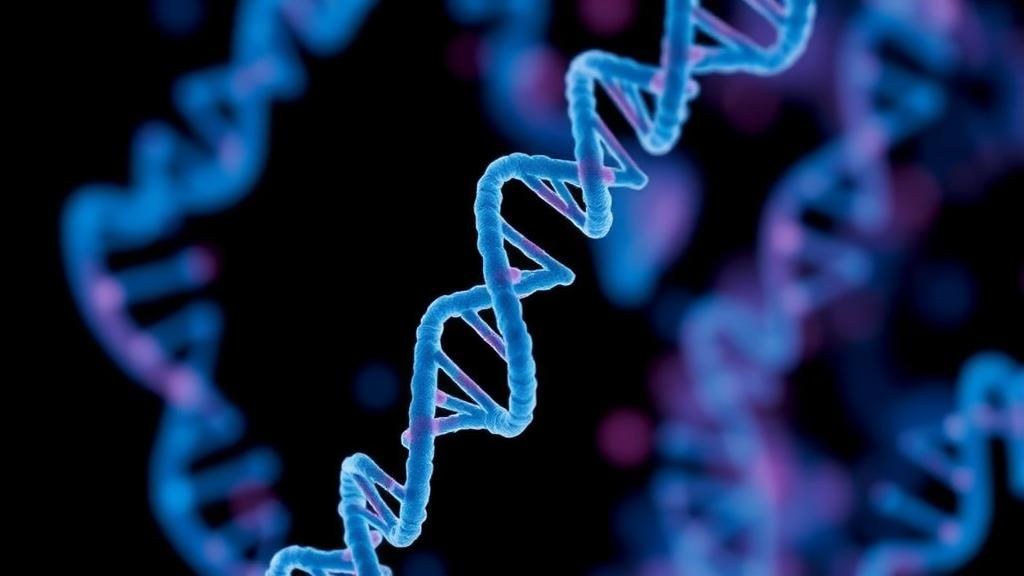
EcDNA molecules are large, acentric circular DNA structures that replicate independently of the chromosomes and segregate in a non-Mendelian fashion during cell division. This behavior distinguishes them both from chromosomal DNA and from the smaller extrachromosomal circular DNA, or eccDNA, that is observed in normal cells. In breast cancer, the review reports, ecDNA has emerged as a pivotal factor in the amplification of oncogenes, the heterogeneity of tumors, and the development of therapeutic resistance. Because these molecules can be detected in plasma, researchers have become interested in whether ecDNA could serve as a biomarker read out from a simple blood sample rather than an invasive tumor biopsy.
The review synthesizes current evidence on plasma ecDNA in breast cancer while integrating studies of circulating free DNA and circulating tumor DNA as contextual background. According to the authors, the majority of diagnostic and prognostic research within this domain has focused on assessing cell-free DNA methylation, cell-free DNA integrity, chromosomal instability scores, circulating tumor DNA mutations, and ctDNA-based minimal residual disease testing. Recent evidence indicates that extrachromosomal DNA may offer supplementary insights into oncogene amplification, structural heterogeneity, and treatment resistance, potentially adding a layer of information beyond what standard cfDNA and ctDNA assays capture.
The authors emphasize that the field faces substantial methodological hurdles before plasma ecDNA could reach the clinic. They call for standardization of pre-analytical procedures, extraction methodologies, quantification strategies, and structural validation, together with the implementation of multicenter prospective studies. Until such work is done, ecDNA remains a promising but unproven adjunct to the circulating DNA tools already under investigation for breast cancer liquid biopsy, and claims of clinical readiness would outrun the available evidence.
Subject of Research: The potential role of extrachromosomal DNA as a liquid biopsy biomarker in breast cancer
Article Title: Extrachromosomal DNA and cell-free DNA in breast cancer liquid biopsy: current evidence and future perspectives
Article References: Wen, J., & Chen, Z. (2026). Extrachromosomal DNA and cell-free DNA in breast cancer liquid biopsy: current evidence and future perspectives. Clinical and Experimental Medicine. https://doi.org/10.1007/s10238-026-02347-5
Image Credits: AI Generated
DOI: 10.1007/s10238-026-02347-5
Keywords: extrachromosomal DNA, breast cancer, liquid biopsy, cell-free DNA, circulating tumor DNA, oncogene amplification, tumor heterogeneity, treatment resistance, biomarkers, minimal residual disease, plasma DNA, review
News Source: Nathaniel Bowman. (October 29, 2026). Extrachromosomal DNA Emerges as Possible Breast Cancer Liquid Biopsy Marker. Scienmag.