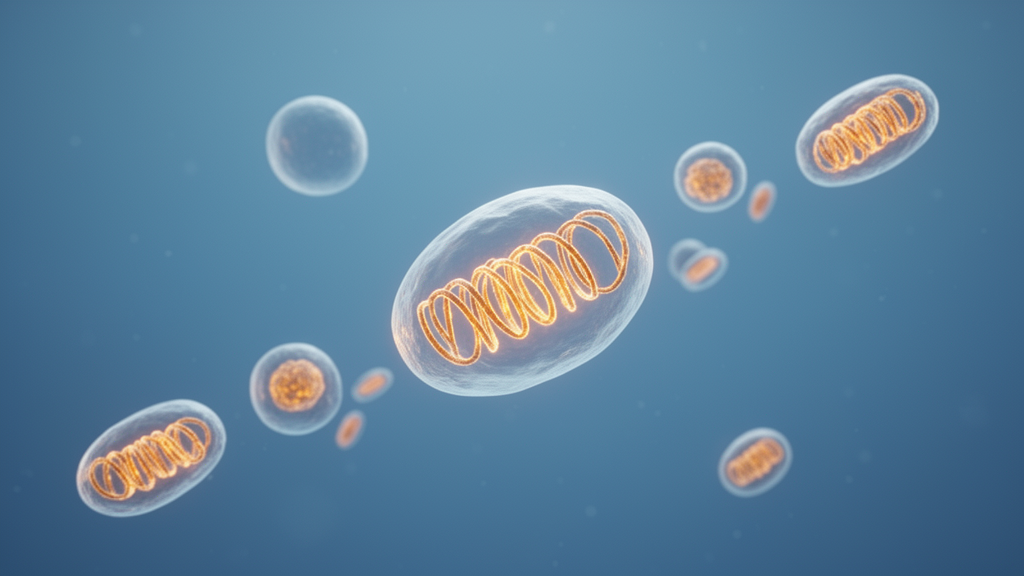
Cancer remains one of the leading causes of mortality worldwide, and its progression is closely tied to the complex communication networks that operate within the tumor microenvironment. A new review published in Genes & Nutrition examines how nanoscale vesicles released by cells—particularly exosomes and mitochondria-derived vesicles—carry microRNAs between cells, and how plant-derived compounds might be used to reshape this signaling as a chemopreventive strategy.
Exosomes are extracellular vesicles of endosomal origin that act as active mediators of intercellular communication. They transfer bioactive cargo, including proteins, lipids and nucleic acids, between cells, and can thereby influence homeostasis within the microenvironment. Among this cargo, exosome-derived microRNAs, or exomiRs, have attracted particular attention because they can negatively regulate gene expression in recipient cells, modulating key oncogenic processes such as angiogenesis, invasion, immune evasion, epithelial-to-mesenchymal transition, drug resistance and cancer-related stem cell activity.
Although exosomes are the best-characterized carriers of miRNAs, the review emphasizes that they are not the only ones. Other extracellular vesicle subclasses, including plasma membrane-derived microvesicles, apoptotic bodies, large oncosomes and migrasomes, also convey miRNAs and modify the behavior of recipient cells. The authors therefore consider these vesicle types alongside exosomes when evaluating how vesicle-mediated signaling shapes tumor-associated communication.
A distinctive element of the review is its focus on mitochondria-derived vesicles, a separate vesicular pathway that links mitochondrial quality control to the endosomal compartment. The authors propose that this pathway may act upstream of exosomal miRNA loading, meaning that mitochondrial stress and the vesicles it generates could influence which microRNAs end up packaged into exosomes and delivered to other cells. In this framing, mitochondria-derived vesicles and mitochondrial stress are positioned as potential upstream regulators of exosomal signaling.
The review synthesizes current knowledge on the biogenesis and function of extracellular vesicles, including exosomes and mitochondria-derived vesicles, and of exomiRs linked with carcinogenesis. It then addresses emerging evidence supporting pharmacological and nutraceutical interventions to modulate exomiR profiles as a novel chemopreventive strategy. The authors discuss how diet-derived nutraceuticals, including plant polyphenols and isoflavones, can alter the microRNA expression landscape in cancer cells and in the exosomes they secrete, and they provide a global, cross-study overview of the miRNAs reported to respond to phytochemical exposure.
The potential consequences of these modulations extend to several carcinogenesis-associated processes, including angiogenesis, inflammation, oxidative stress and stem cell mobilization. By modulating miRNAs, these interventions affect multiple signaling pathways that, in turn, indirectly reshape communication within the tumor microenvironment. The review highlights microRNA modulation as an indirect yet promising strategy to influence exosome-mediated intercellular communication in cancer.
Direct targeting of exomiRs remains technically challenging, the authors note. However, recent reports support the hypothesis that intracellular miRNA modulation may propagate to the exosomal compartment, meaning that changes in the microRNA levels inside a cell could be reflected in the cargo of the exosomes it releases. Emerging evidence suggests that intracellular microRNA levels alter exosomal cargo composition, and that vesicle subclasses other than exosomes also convey miRNAs, extending the possible reach of such interventions.
Collectively, the review frames exomiRs as a programmable layer of tumor-associated signaling and offers a conceptual framework for understanding how nutraceuticals and drugs might influence exosome-mediated communication in cancer. As a review, it synthesizes and interprets existing literature rather than presenting new experimental results, and the authors present the chemopreventive potential of phytochemical targeting of exomiR signaling as an emerging hypothesis supported by current evidence rather than an established clinical application.
Subject of Research: The role of extracellular vesicles, mitochondria-derived vesicles and exosomal microRNAs in cancer signaling and their potential modulation by phytochemicals as a chemopreventive strategy.
Article Title: Extracellular vesicles, mitochondria-derived vesicles and exosomal miRNA (exomiR) signaling in cancer: phytochemical targeting of a novel chemopreventive frontier
Article References: Danalache, B. A., Boudah, A., Chemtob, S., Desjarlais, M., & Annabi, B. (2026). Extracellular vesicles, mitochondria-derived vesicles and exosomal miRNA (exomiR) signaling in cancer: phytochemical targeting of a novel chemopreventive frontier. Genes & Nutrition. https://doi.org/10.1186/s12263-026-00820-0
Image Credits: AI Generated
DOI: 10.1186/s12263-026-00820-0
Keywords: exosomes, extracellular vesicles, mitochondria-derived vesicles, exomiR, microRNA, cancer, chemoprevention, phytochemicals, polyphenols, isoflavones, tumor microenvironment, nutraceuticals
News Source: Nathaniel Bowman. (October 28, 2026). Exosomes, mitochondrial vesicles and microRNA cargo emerge as a new chemopreventive frontier in cancer. Scienmag.