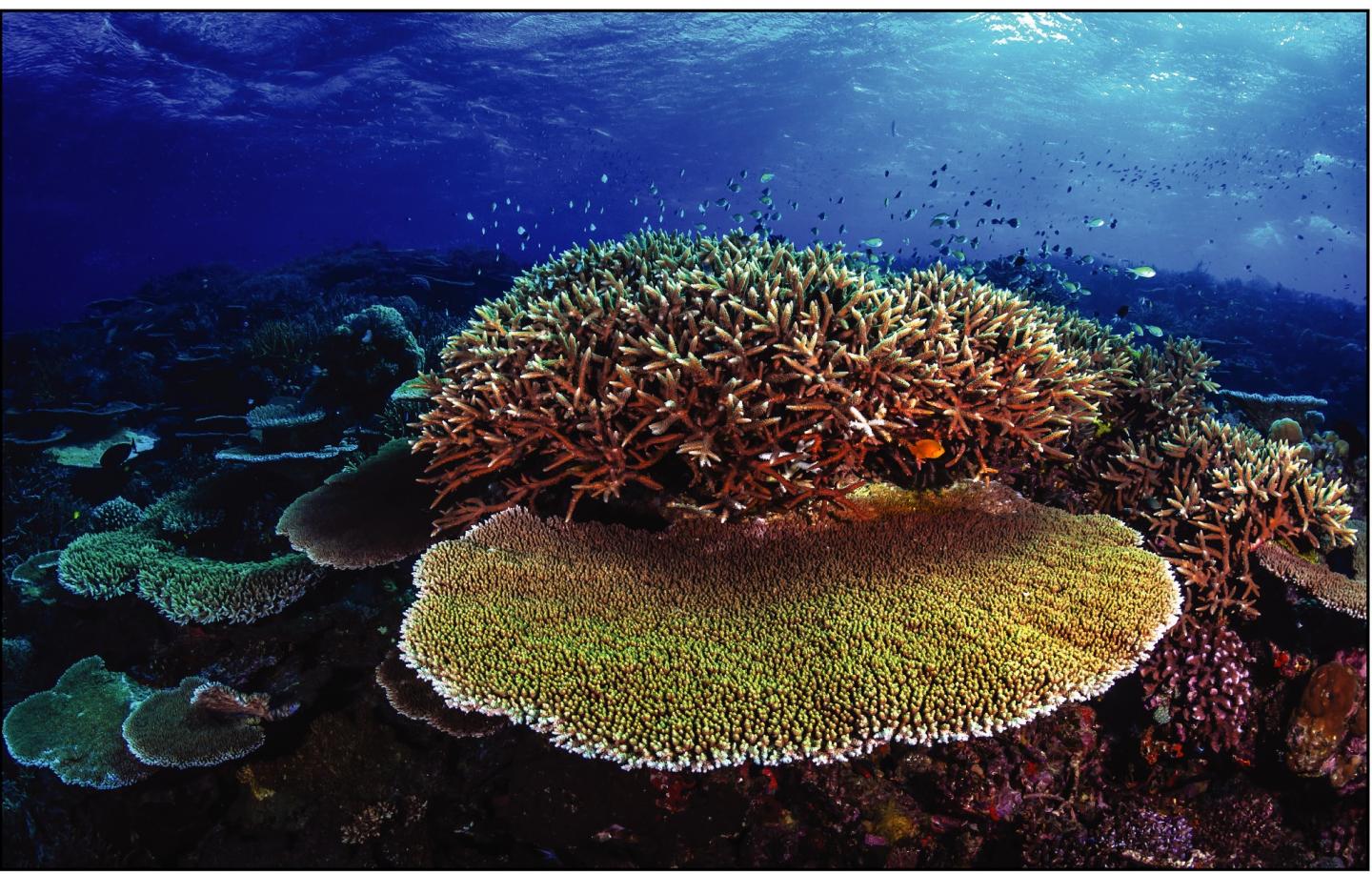
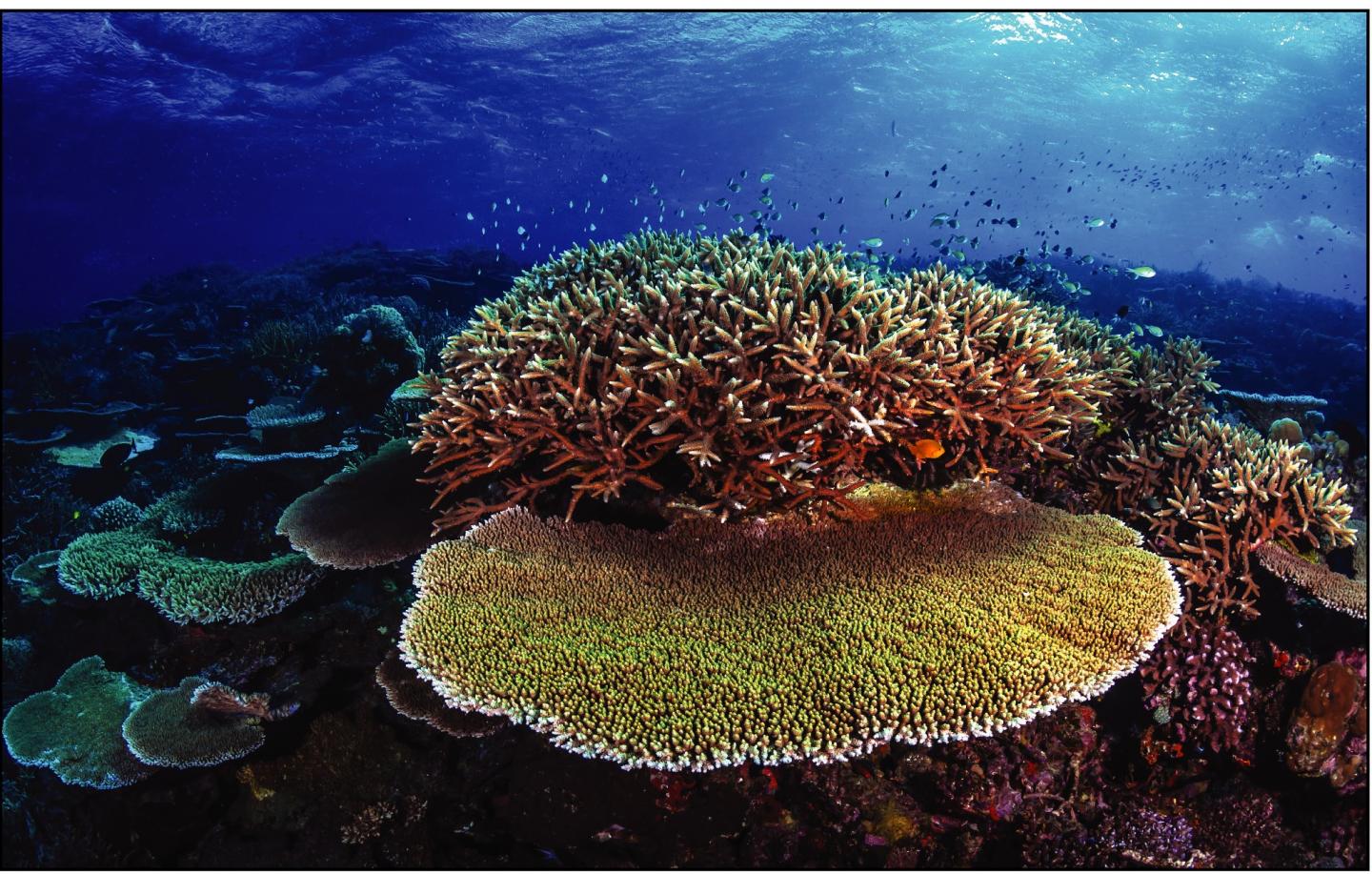
Credit: ©M Curnock
Biologists use eDNA to find insect invaders
Biologists can use environmental DNA ("eDNA") found in water samples – from the feces, shed skin, and carcasses of fish, insects, and other aquatic animals – to detect the presence of species. Until recently, however, this method has mostly been limited to aquatic ecosystems. Now, a group of Rutgers University researchers has developed a way to obtain and analyze eDNA on land. The new method detects the bugs more effectively than other tests such as blacklights or pheromone traps. Since it enables early detection of pests – one of the main keys to eradication – this approach could revolutionize agricultural pest surveillance.
Author Contact: Rafael E Valentin ([email protected])
- Valentin RE, Fonseca DM, and Nielsen AL et al. Early detection of invasive exotic insect infestations using eDNA from crop surfaces. Frontiers in Ecology and the Environment 16: 265-70. https://esajournals.onlinelibrary.wiley.com/doi/10.1002/fee.1811
Eco-culture of Great Barrier Reef and other iconic ecosystems
Coral reef researchers carried out a survey that establishes the cultural importance of Australia's Great Barrier Reef, and show how the less tangible values of ecosystems can be incorporated into environmental decision making. One of the challenges for conservation is that the "value" of an area being managed (or affected by human disturbance) encompasses much more than just the ecosystem's contribution to the economy. Stakeholders also value the traditions, customs, emotional well-being, and sense of identity that ecosystems like the Great Barrier Reef can provide. The researchers surveyed tourists, local and indigenous residents, commercial fishers, and other stakeholder groups in Australia to determine the importance of several cultural values provided by the GBR. The authors discuss how such surveys can give environmental managers and policy makers a way to more clearly realize the non-monetary value of ecosystems.
Author Contact: Nadine Marshall ([email protected])
- Marshall N, Barnes ML, Birtles A, et al. Measuring what matters in the Great Barrier Reef. Frontiers in Ecology and the Environment 16: 271-77. https://esajournals.onlinelibrary.wiley.com/doi/full/10.1002/fee.1808
Fish-friendly architectural engineering design for marine infrastructure
Underwater structures like marinas, breakwaters, pilings, oil rigs, and offshore wind farms may not be conducive to colonization by fish populations. The prevalence of these structures along coasts undergoing development threaten marine habitats. A group of Australian researchers has devised a way to help managers use principles of ecological engineering to design marine infrastructure that benefits both humans and nature. The authors consider how the physical characteristics like hole size and roughness of both natural and artificial reefs can be incorporated into customized human structures to provide habitat for fishes. For example, the foundations of offshore wind turbines could be specially designed to include holes or structural features that benefit fish abundance in the long term.
Author Contact: Rebecca L Morris ([email protected])
- Morris RL, Porter AG, Figueira WF, et al. 2018. Fish-smart seawalls: a decision tool for adaptive management of marine infrastructure. Frontiers in Ecology and the Environment 16: 278-87. https://esajournals.onlinelibrary.wiley.com/doi/10.1002/fee.1809
Who are the winners and losers and in an oil sands landscape?
Exploitation of the oil sands in western Canada is transforming the boreal forest landscape in unprecedented ways. Media coverage has often focused on the detrimental effects of open-pit mines, but in-situ drilling and its associated landscape disturbances, which span most of northern Alberta and parts of British Columbia and Saskatchewan, have received less attention. A new study by two Canadian researchers shows how this type of drilling influences populations of gray wolf, white-tailed deer, moose, American black bear, coyote, Canada lynx, fisher, red fox, snowshoe hare, and American red squirrel across the region. A combination of camera-trapping and landscape analysis revealed far-reaching effects on wildlife abundance and distribution. A criss-crossing grid of paths cleared for drilling exploration has opened up new thoroughfares for predators, forests cut down for development have been replaced with new vegation, and the balance between predators and prey is shifting in the new industrial landscape.
Author Contact: Jason Fisher ([email protected])
- Fisher JT and Burton AC. Wildlife winners and losers in an oil sands landscape. Frontiers in Ecology and the Environment. https://esajournals.onlinelibrary.wiley.com/doi/full/10.1002/fee.1807
###
Contact: Zoe Gentes, 202-833-8773 ext. 211, [email protected]">[email protected]
The Ecological Society of America, founded in 1915, is the world's largest community of professional ecologists and a trusted source of ecological knowledge, committed to advancing the understanding of life on Earth. The 9,000 member Society publishes five journals and a membership bulletin and broadly shares ecological information through policy, media outreach, and education initiatives. The Society's Annual Meeting attracts 4,000 attendees and features the most recent advances in ecological science. Visit the ESA website at http://www.esa.org.
Media Contact
Zoe Gentes
[email protected]
202-833-8773
@ESA_org
http://www.esa.org
Original Source
https://www.esa.org/esa/esa-tipsheet-for-june-2018/