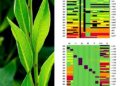
In a groundbreaking study that challenges long-standing assumptions in plant biology, researchers have unveiled a novel mechanism by which the epigenetic memory of cold exposure—known as the vernalized state—is reset during asexual propagation of Arabidopsis through somatic embryogenesis. This discovery not only overturns decades of accepted knowledge that the vernalized state persists through clonal reproduction but also opens new avenues for understanding epigenetic reprogramming in plants and refining agricultural propagation techniques.
The vernalized state refers to a physiological adaptation in plants that have experienced prolonged cold, enabling them to flower appropriately after winter. This adaptive memory is mediated via stable epigenetic marks—chemical modifications on DNA and histone proteins that influence gene expression without altering the underlying genetic code. These epigenetic marks can persist across cell divisions and even generations, thereby tuning developmental programs in response to environmental cues such as temperature.
Historically, it was believed that the vernalized state, once established, is maintained during asexual reproduction, allowing offspring propagated through methods such as cuttings or tissue culture to inherit the same epigenetic “cold memory” as the parent. This assumption stemmed from observations that asexual propagation tends to preserve epigenetic information more faithfully than sexual reproduction, where epigenetic reprogramming is more thorough.
However, the new study utilized advanced molecular and genetic approaches in Arabidopsis thaliana, a widely used model organism in plant research, to demonstrate that the vernalized state undergoes resetting during somatic embryogenesis—a process where a new plant is regenerated from somatic (non-reproductive) cells in vitro. The researchers showed that epigenetic marks associated with the vernalized state are effectively erased, resulting in regenerated plants that do not retain the cold-induced predisposition to flower.
This discovery was achieved through a combination of chromatin immunoprecipitation sequencing, DNA methylation profiling, and gene expression analyses. The authors tracked the dynamics of key epigenetic markers, particularly histone modifications such as H3K27me3, known to repress flowering locus genes during vernalization. Their data revealed that while these marks are stable in whole plants experiencing perennial cycles, they are lost during the embryogenic transition in tissue culture, correlating with the loss of the vernalized phenotype.
The implications of this research are multifaceted. From a fundamental perspective, it challenges the dogma that asexual reproduction invariably transmits stable epigenetic states across generations. Instead, it places somatic embryogenesis as a critical point of epigenetic reprogramming, reminiscent of the epigenetic resetting events known to occur during sexual reproduction, though via a distinct cellular mechanism.
On an applied level, the ability to reset environmental epigenetic memory during plant regeneration has significant potential for agriculture and horticulture. Sometimes, inherited epigenetic traits may be undesirable, especially if they represent adaptations to previous environmental stresses. The findings suggest that somatic embryogenesis could be exploited to erase such parental epigenetic legacies, enabling the production of uniform and potentially more vigorous clonal plants without the baggage of ancestral environmental history.
Furthermore, this work enriches current understanding of how epigenetic states are maintained or altered through in vitro culture techniques. It underscores the need to monitor epigenetic fidelity in clonal propagation strategies, which are pivotal in commercial breeding programs aimed at trait consistency.
The research also raises intriguing questions about the mechanisms underlying the erasure of epigenetic marks during somatic embryogenesis. It suggests that the cellular dedifferentiation and reprogramming inherent to this process involve active remodeling of chromatin states, possibly through the action of histone demethylases, DNA demethylases, or chromatin remodeling complexes. Future studies could focus on identifying the precise molecular players orchestrating this resetting.
Moreover, these findings might have parallels in other species and propagation methods, pointing to a broader principle governing epigenetic resetting beyond Arabidopsis. Comparative analyses across diverse plant taxa can elucidate the universality and mechanistic diversity of this process, with potential adaptations in perennial, annual, and woody species.
This study also adds an essential layer to the discussion on the stability and plasticity of epigenetic marks in response to environmental stimuli. While epigenetics offers plants a means to adapt to changing conditions rapidly, the ability to reset these marks provides a counterbalance, ensuring flexibility and rejuvenation during propagation.
Taken together, the demonstration that the vernalized state is reset during somatic embryogenesis reshapes our understanding of plant epigenetics and cloning, providing novel insights into both development and adaptation. It paves the way for refined biotechnological approaches to crop improvement and sustainable agriculture by harnessing controlled epigenetic reprogramming.
As the global climate continues to shift, with fluctuating cold periods impacting crop phenology, such insights become increasingly relevant. The study’s revelations may contribute to breeding strategies that either preserve beneficial epigenetic adaptations or strategically erase maladaptive ones, depending on agricultural needs.
Beyond the immediate scientific impact, this study exemplifies the power of combining epigenomic technologies with classical plant developmental biology to uncover hidden layers of inheritance and reprogramming. It showcases the dynamic interplay between environmental inputs, epigenetic states, and developmental outcomes at a resolution unattainable a decade ago.
In conclusion, the resetting of epigenetic cold memory via somatic embryogenesis is a landmark finding that not only revises foundational concepts of plant biology but also equips researchers and breeders with a novel tool for manipulating plant epigenomes. As investigations continue, we can anticipate broader applications and deeper mechanistic understanding, heralding a new era of precise epigenetic engineering in plants.
Subject of Research: Epigenetic reprogramming of the vernalized state during somatic embryogenesis in Arabidopsis.
Article Title: Resetting of epigenetic cold memory through somatic embryogenesis in plant regeneration.
Article References:
Niu, D., Ou, Y., Tang, L.P. et al. Resetting of epigenetic cold memory through somatic embryogenesis in plant regeneration. Nat. Plants (2026). https://doi.org/10.1038/s41477-026-02325-5
Image Credits: AI Generated
DOI: https://doi.org/10.1038/s41477-026-02325-5
Tags: agricultural propagation techniquesArabidopsis asexual propagationclonal reproduction epigeneticscold exposure epigeneticsepigenetic inheritance in plantsepigenetic memory erasurehistone modification in plantsplant epigenetic reprogrammingplant somatic embryogenesisstable epigenetic marksvernalization and floweringvernalized state reset