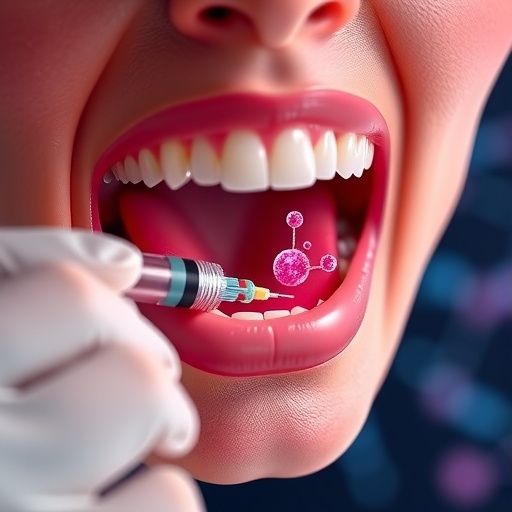
Japanese researchers at Kobe University have developed a groundbreaking oral cancer vaccine using genetically engineered Bifidobacterium longum, a probiotic bacterium known for its interaction with the gut immune system. This innovative platform, named “B440,” aims to deliver tumor-associated antigen proteins directly to gut-associated lymphoid tissues, thereby enhancing anti-tumor immunity through an oral route—a method that promises greater safety and convenience compared to traditional injectable vaccines.
The immune system naturally combats cancer, but tumors often evade destruction by exploiting immune checkpoint pathways—molecular “off-switches” that suppress immune responses. Immune checkpoint inhibitors can block these off-switches, yet many patients experience resistance or relapse. Prior vaccine attempts focusing on fragments of the Wilms tumor 1 (WT1) protein, a common cancer antigen, have had limited success and caused injection-site reactions. Shirakawa Toshiro and his team at Kobe University sought a new approach that could complement existing therapies by safely amplifying immune activity.
B440 delivers a modified portion of the WT1 protein by displaying it on the surface of Bifidobacterium longum. This oral vaccine was evaluated in a small phase I clinical trial involving 12 patients with metastatic urothelial cancer who had no remaining standard therapeutic options. Results published in JCO Oncology Advances revealed the vaccine was well-tolerated; the only notable treatment-related effect was a mild, transient increase in interleukin-6, an inflammatory cytokine, observed in three participants.
Immunologically, six patients with preexisting weak WT1-specific immune responses exhibited heightened cellular immunity after receiving B440. These individuals remained progression-free for longer periods, suggesting that the vaccine primarily acts as an immune enhancer rather than initiating new immune responses. Conversely, patients without detectable baseline WT1 immunity showed no response, indicating that the presence of low-level preexisting immunity may serve as a biomarker to predict treatment benefit.
Following the trial, seven patients received pembrolizumab, an immune checkpoint inhibitor. Tumor shrinkage occurred in three of these patients—all with measurable WT1-specific responses induced by B440—although, due to the trial’s small size and lack of randomization, causality could not be established. The researchers advocate for further exploration of B440 combined with checkpoint blockade to potentiate clinically meaningful responses.
Currently, the team is advancing to a phase I/II trial assessing B440 alongside nivolumab and ipilimumab in patients with malignant pleural mesothelioma, a particularly aggressive cancer. Shirakawa emphasizes that developing an oral cancer vaccine platform capable of delivering tumor antigens via gut immune tissues could represent a transformative addition to cancer immunotherapy, offering a novel way to enhance anti-tumor immune responses with minimal side effects.
This pioneering work exemplifies the potential of microbiome-based platforms in oncology, harnessing engineered probiotics to reshape immune landscape against cancer. If subsequent trials confirm these findings, B440 could pioneer a new class of orally administered therapeutic cancer vaccines, broadening treatment options and improving patient outcomes in resistant cancers.
Subject of Research: People
Article Title: Phase I Study of B440, an Oral Wilms’ Tumor 1 Cancer Vaccine Using a Bifidobacterium Vector, in Patients with Metastatic Urothelial Cancer
News Publication Date: 7-Jul-2026
Web References: 10.1200/OA-25-00153
Image Credits: SHIRAKAWA Toshiro
Keywords: Oral cancer vaccine, Bifidobacterium longum, Wilms tumor 1 (WT1), immune checkpoint inhibitors, gut immune system, probiotic vector, metastatic urothelial cancer, cancer immunotherapy
Tags: B440 cancer vaccine platformgenetically engineered Bifidobacterium longumgut microbiota and cancer immune responsegut-associated lymphoid tissue immunotherapyimmune checkpoint pathway modulationinnovative cancer vaccine developmentoral cancer immunotherapy clinical trialoral cancer vaccine deliveryoral tumor antigen deliveryprobiotic-based cancer vaccinationsafety and efficacy of oral cancer vaccinesWT1 protein-based oral vaccine