Since their inception over a century ago, artificial and non-nutritive sweeteners have become entrenched components of the modern American food landscape, marketed primarily as low-calorie alternatives to sugar. Saccharin, the pioneering compound in this category, paved the way for a multitude of other synthetic and plant-derived sweeteners that aim to satisfy consumer cravings for sweetness without the associated caloric intake. Yet, despite their widespread adoption and presumed metabolic neutrality, emerging research suggests these compounds are far from inert within the human body. Growing empirical evidence challenges the longstanding notion that non-nutritive sweeteners pass unaltered through metabolic pathways, indicating instead that they may actively disrupt physiological homeostasis, particularly in regard to glucose metabolism and cardiometabolic health.
A comprehensive new systematic review and meta-analysis conducted by researchers affiliated with the Food is Medicine Institute at Tufts University’s Gerald J. and Dorothy R. Friedman School of Nutrition Science and Policy sheds fresh light on the complex interactions between artificial sweeteners, the gut microbiome, and metabolic markers linked to disease risk. Published in the peer-reviewed journal Current Atherosclerosis Reports, this analysis synthesizes findings from 21 randomized controlled trials involving adult participants. The study notably focused on trials employing non-caloric comparators such as water or placebos rather than caloric sweeteners, thereby isolating the physiological effects of the sweetening agents themselves from the confounding influence of calorie content.
The pooled data reveal a consistent pattern: consumption of artificial and other low-calorie sweeteners correlates with statistically significant elevations in fasting insulin levels and HbA1c, a biomarker reflective of average blood glucose concentration over several months. Additionally, trends indicate potential impairments in insulin sensitivity, suggesting that these compounds may contribute to the early stages of insulin resistance, a precursor for disorders such as type 2 diabetes and metabolic syndrome. This nuanced understanding refutes the simplistic assumption of innocuity often associated with non-nutritive sweeteners and demands a more rigorous evaluation of their long-term metabolic consequences.
Meng Wang, the study’s lead author and a research assistant professor at Tufts, underscores the importance of the methodological approach. “By rigorously comparing sweeteners to non-caloric controls, our analysis disentangles the direct effects of these compounds on metabolism from the effects merely due to replacing sugar calories,” Wang explains. “Our findings indicate that these sweeteners may induce harmful metabolic changes independent of their calorie content, signaling a need for reevaluation of their safety profiles and consumption guidelines.”
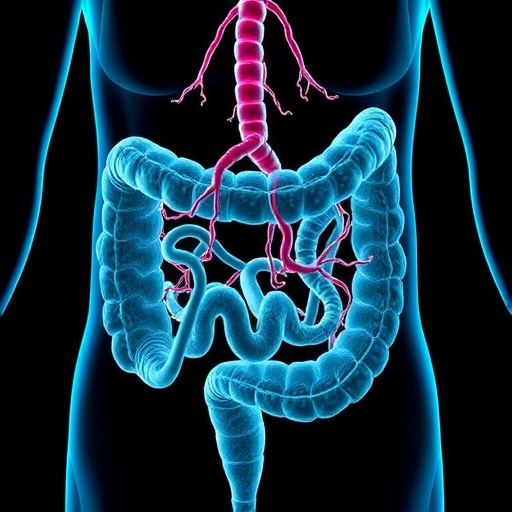
One critical mechanistic hypothesis proposed by the investigators centers on the gut microbiome, an immensely complex consortium of microorganisms inhabiting the human intestinal tract. Unlike caloric sugars, which are largely absorbed in the upper gastrointestinal tract, many non-nutritive sweeteners transit through the gut relatively intact, exposing resident microbiota directly to their chemical structures. Studies incorporated in the review employed advanced microbiome profiling techniques and fecal microbiota transplantation experiments, revealing that certain sweeteners can significantly alter both the taxonomic composition and metabolic functionality of these microbial communities. Such perturbations may, in turn, modulate host metabolic pathways via the production of microbial metabolites, immune signaling, and gut barrier integrity, providing a plausible biological link between sweetener consumption and altered glucose homeostasis.
Beyond randomized trials, observational epidemiological studies bolster concerns regarding the cardiometabolic implications of non-nutritive sweeteners. Large cohort analyses report associations between habitual intake of these compounds and increased incidence of obesity, type 2 diabetes, and cardiovascular disease. However, these studies are inherently limited by potential reverse causation; individuals predisposed to or already afflicted with metabolic disorders may preferentially consume low-calorie sweeteners in an attempt to manage their condition, confounding causal interpretations. Furthermore, the heterogeneity of sweetener types, doses, and formulation matrices complicates efforts to draw definitive conclusions. Nevertheless, coupling these observational data with controlled trial outcomes strengthens the argument that these agents are not metabolically inert.
Dariush Mozaffarian, cardiologist and director of the Food is Medicine Institute, emphasizes the urgency of precaution. “The unprecedented rise in non-nutritive sweetener use has outstripped our scientific understanding of their long-term health effects,” he notes. “While these sweeteners might represent a marginally better alternative for individuals reducing large quantities of added sugar—such as those found in multiple servings of soda per day—they cannot be deemed categorically safe. Prudence suggests minimizing their consumption wherever feasible until more definitive evidence emerges.”
The researchers further highlight an important and overlooked issue in public health research: the lack of transparency in labeling regarding the quantity of non-nutritive sweeteners present in food and beverage products. Current U.S. regulations mandate ingredient disclosure but do not require manufacturers to specify the exact concentrations of these compounds. This regulatory gap hampers nutritional epidemiology by limiting accurate quantification of sweetener intake and consequently obscuring dose-response relationships critical for risk assessment.
Looking forward, the review advocates for a robust pipeline of carefully designed randomized controlled trials aimed not only at cardiometabolic outcomes but also at elucidating mechanistic pathways such as microbiome alterations, inflammatory responses, and host metabolic signaling. Such investigations should incorporate comprehensive metabolic phenotyping, standardized dosing regimens, and stratification based on demographic and genetic factors to unravel inter-individual variability in responses.
In conclusion, the accumulating evidence suggests a paradigm shift in our perception of non-nutritive sweeteners is imminent. Far from being harmless sugar substitutes, these compounds may actively influence metabolic health through complex interactions with the gut microbiome and host physiology. As public health policies and dietary guidelines evolve, incorporating this emerging science will be essential to mitigate potential adverse impacts on population health and to ensure the guidance provided to consumers reflects current understanding.
Subject of Research: Effects of artificial and non-nutritive sweeteners on metabolism, gut microbiome, and cardiometabolic health
Article Title: Artificial and Other Non-Nutritive Sweeteners, the Microbiome, and Cardiometabolic Health
News Publication Date: 25-Jun-2026
Web References: https://doi.org/10.1007/s11883-026-01429-9
Keywords: Nutrition, Insulin, Sugars, Gut microbiota, Metabolism
Tags: artificial sweeteners and gut microbiomecardiometabolic health and artificial sweetenersmetabolic markers and artificial sweetenersnon-caloric sweeteners and disease risknon-nutritive sweeteners metabolic effectsplant-derived sweeteners and gut healthrandomized controlled trials on sugar substitutessugar alternatives and physiological homeostasissugar substitutes impact on glucose metabolismsynthetic sweeteners and metabolic disruptionsystematic review on sweeteners and metabolismTufts University sweetener research