• HOME
  • NEWS
  • EXPLORE
    • CAREER
      • Companies
      • Jobs
    • EVENTS
    • iGEM
      • News
      • Team
    • PHOTOS
    • VIDEO
    • WIKI
  • BLOG
  • COMMUNITY
    • FACEBOOK
    • INSTAGRAM
    • TWITTER
Wednesday, June 24, 2026
BIOENGINEER.ORG
No Result
View All Result
  • Login
  • HOME
  • NEWS
  • EXPLORE
    • CAREER
      • Companies
      • Jobs
        • Lecturer
        • PhD Studentship
        • Postdoc
        • Research Assistant
    • EVENTS
    • iGEM
      • News
      • Team
    • PHOTOS
    • VIDEO
    • WIKI
  • BLOG
  • COMMUNITY
    • FACEBOOK
    • INSTAGRAM
    • TWITTER
  • HOME
  • NEWS
  • EXPLORE
    • CAREER
      • Companies
      • Jobs
        • Lecturer
        • PhD Studentship
        • Postdoc
        • Research Assistant
    • EVENTS
    • iGEM
      • News
      • Team
    • PHOTOS
    • VIDEO
    • WIKI
  • BLOG
  • COMMUNITY
    • FACEBOOK
    • INSTAGRAM
    • TWITTER
No Result
View All Result
Bioengineer.org
No Result
View All Result
Home NEWS Science News

Efficient cryopreservation of genetically modified rat spermatozoa

Bioengineer by Bioengineer
January 31, 2020
in Science News
Reading Time: 2 mins read
0
IMAGE
Share on FacebookShare on TwitterShare on LinkedinShare on RedditShare on Telegram

IMAGE

Credit: Professor Naomi Nakagata


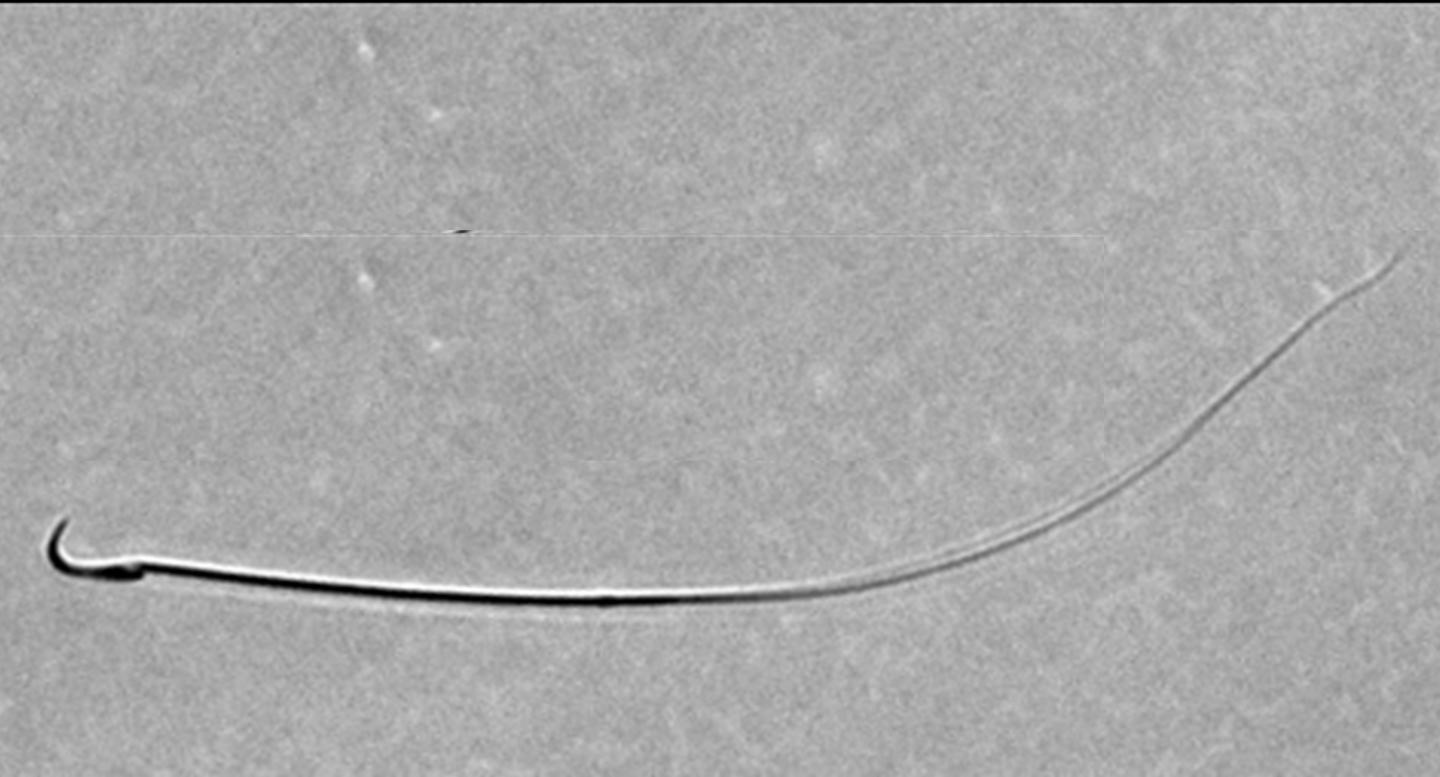
Rat spermatozoa are two to four times larger than that of other animal species and are easily damaged by changes in pH, osmotic pressure, and temperature. Because these animals are very frequently used in medical research, a cryopreservation method was developed nearly 20 years ago. However, rat spermatozoa motility after thawing is extremely poor, and unless artificial insemination is performed at night (10:00-11:00 pm) no offspring will be produced. Furthermore, the number of offspring produced after successful artificial insemination is often lower than normal so the cryopreservation of rat sperm is not typically considered practical.

To improve cryopreservation methods, Professor Nakagata and Dr. Takeo of the Center for Animal Resources and Development (CARD) at Kumamoto University, Japan have been searching for methods to retain sperm mobility after thawing. They knew that the freezing process significantly reduced sperm motility, so they attempted to chill the sperm first to reduce movement as much as possible before freezing.

They tested their cryopreservation method on a type of genetically modified rat (EGFP rat) sperm that emits green fluorescence and then used it for in vitro fertilization. Surprisingly, the fertilization rate exceeded 80% and the experiment successfully produced over 300 offspring from the sperm of one male rat.

Sperm cryopreservation is easier than the cryopreservation of fertilized eggs, and many cells (50 – 100 million) can be obtained from a single male rat. In recent years, genetically modified rats useful for human disease research have been produced using genome editing technology. This indicates that there is a need for an efficient technique to preserve genetically modified rat strains. The cryopreservation technology developed here can provide an efficient storage method of genetically modified rats and could accelerate the development of treatments for intractable diseases.
“Compared to mice, rats are about ten times the size, require a larger housing space, and simply cost more to keep. There is a need to reduce the amount of space they take up and their cost for research labs,” said Professor Nakagata. “Our cryopreservation technique is likely to be very useful in the preservation of genetically modified rat strains. We believe that it could become a new global standard for research resources.”

###

This research was posted online in “Scientific Reports” on 9 January 2020.

Source

Nakagata, N., Mikoda, N., Nakao, S., Nakatsukasa, E., & Takeo, T. (2020). Establishment of sperm cryopreservation and in vitro fertilisation protocols for rats. Scientific Reports, 10(1). doi:10.1038/s41598-019-57090-7

Media Contact
J. Sanderson & N. Fukuda
[email protected]

Original Source

https://www.kumamoto-u.ac.jp/whatsnew/seimei-sentankenkyu/20200114

Related Journal Article

http://dx.doi.org/10.1038/s41598-019-57090-7

Tags: BiologyBiotechnologyCell BiologyDevelopmental/Reproductive BiologyFertilityPharmaceutical SciencePhysiology
Share12Tweet8Share2ShareShareShare2

Related Posts

Gene Variant rs11030119 Impacts BDNF Platelet Function

June 24, 2026

Decades of Data Reveal Which Orcas Call Puget Sound Home

June 24, 2026

Introducing a Revolutionary Pixel Technology

June 24, 2026

Plasma Technology Extends Catalyst Lifespan in Hydrogen Production

June 24, 2026
Please login to join discussion

POPULAR NEWS

  • Saying Goodbye to PGY-6: Pediatric Fellowship Realities

    103 shares
    Share 41 Tweet 26
  • Multi-Hospital Study Reveals Long Covid Burden Is Twice as High as Current Estimates

    92 shares
    Share 36 Tweet 23
  • Detection of EDCs in Breast Milk and Infant Urine Up to Six Months Highlights Early Exposure Risks

    77 shares
    Share 31 Tweet 19
  • New Drug Candidate Developed at McMaster Shows Potential for Treating Brain Cancer

    58 shares
    Share 23 Tweet 15

About

We bring you the latest biotechnology news from best research centers and universities around the world. Check our website.

Follow us

Recent News

Gene Variant rs11030119 Impacts BDNF Platelet Function

Decades of Data Reveal Which Orcas Call Puget Sound Home

Introducing a Revolutionary Pixel Technology

Subscribe to Blog via Email

Enter your email address to subscribe to this blog and receive notifications of new posts by email.

Join 82 other subscribers
  • Contact Us

Bioengineer.org © Copyright 2023 All Rights Reserved.

Welcome Back!

Login to your account below

Forgotten Password?

Retrieve your password

Please enter your username or email address to reset your password.

Log In
No Result
View All Result
  • Homepages
    • Home Page 1
    • Home Page 2
  • News
  • National
  • Business
  • Health
  • Lifestyle
  • Science

Bioengineer.org © Copyright 2023 All Rights Reserved.