• HOME
  • NEWS
  • EXPLORE
    • CAREER
      • Companies
      • Jobs
    • EVENTS
    • iGEM
      • News
      • Team
    • PHOTOS
    • VIDEO
    • WIKI
  • BLOG
  • COMMUNITY
    • FACEBOOK
    • INSTAGRAM
    • TWITTER
Monday, June 8, 2026
BIOENGINEER.ORG
No Result
View All Result
  • Login
  • HOME
  • NEWS
  • EXPLORE
    • CAREER
      • Companies
      • Jobs
        • Lecturer
        • PhD Studentship
        • Postdoc
        • Research Assistant
    • EVENTS
    • iGEM
      • News
      • Team
    • PHOTOS
    • VIDEO
    • WIKI
  • BLOG
  • COMMUNITY
    • FACEBOOK
    • INSTAGRAM
    • TWITTER
  • HOME
  • NEWS
  • EXPLORE
    • CAREER
      • Companies
      • Jobs
        • Lecturer
        • PhD Studentship
        • Postdoc
        • Research Assistant
    • EVENTS
    • iGEM
      • News
      • Team
    • PHOTOS
    • VIDEO
    • WIKI
  • BLOG
  • COMMUNITY
    • FACEBOOK
    • INSTAGRAM
    • TWITTER
No Result
View All Result
Bioengineer.org
No Result
View All Result
Home NEWS Science News Biology

Eating omega-3 fat helps hibernating Arctic ground squirrels warm up during deep cold

Bioengineer by Bioengineer
January 14, 2021
in Biology
Reading Time: 2 mins read
0
IMAGE
Share on FacebookShare on TwitterShare on LinkedinShare on RedditShare on Telegram

IMAGE

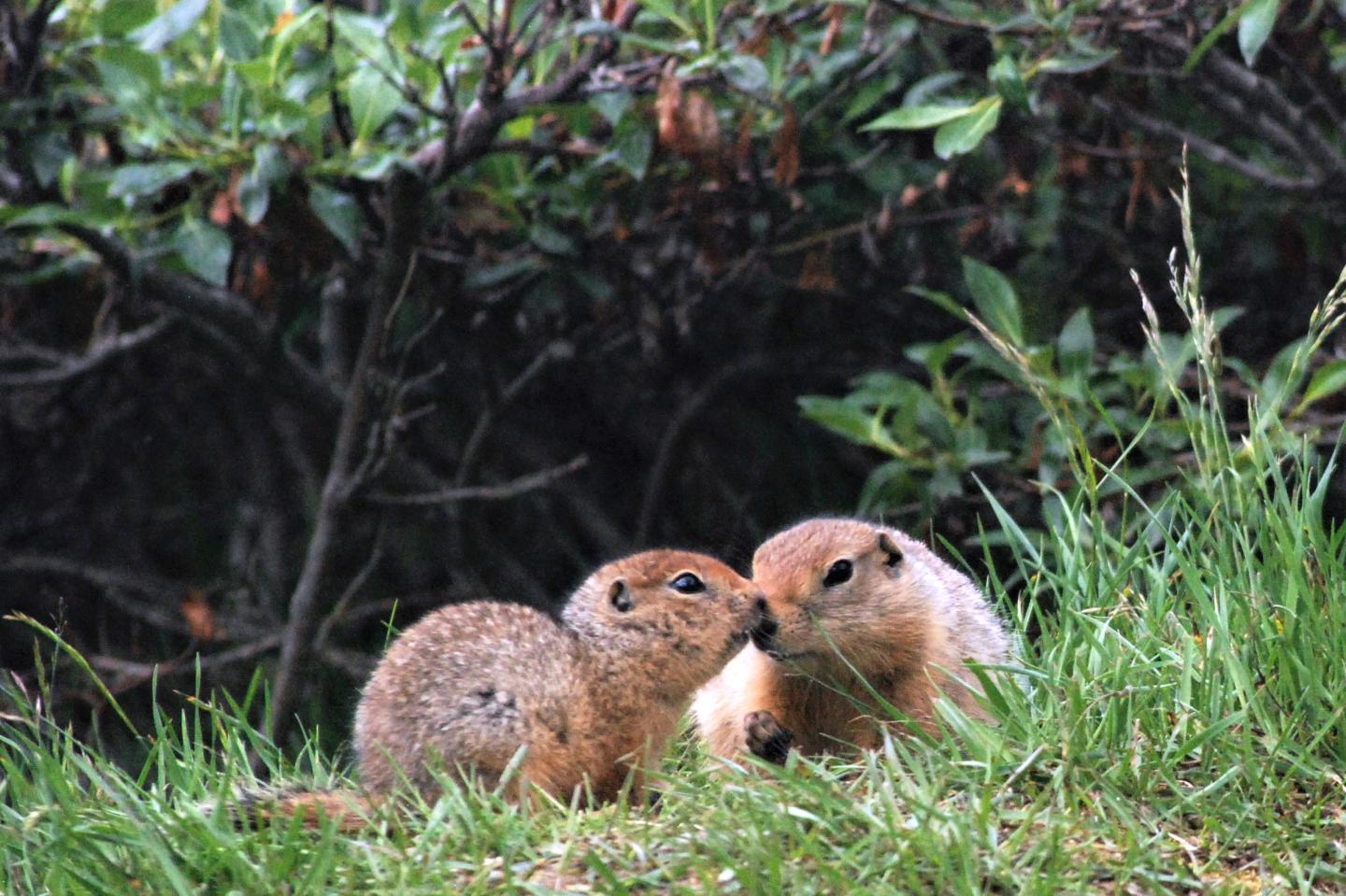
Credit: Photo by Rhiannan William

By feeding arctic ground squirrels special diets, researchers have found that omega-3 fatty acids, common in flax seed and fish oil, help keep the animals warmer in deep hibernation.

A University of Alaska Fairbanks-led study fed ground squirrels either a diet high in omega-3s or a normal laboratory diet, and measured how the animals hibernated afterward. Researchers found that the omega-3 diet helped the animals hibernate a little warmer than normal without negatively affecting hibernation. The omega-3 diets also increased the amount of a heat-producing fat, called brown adipose tissue, the animals pack on.

The discovery could add more understanding about how hibernation works and why animals eat some types of foods. The study was published Jan. 14 in the journal Scientific Reports.

“Arctic ground squirrels have an innate ability to withstand harsh subzero temperatures for an incredible amount of time,” says Monica Mikes, who at the time of the study was an undergraduate researcher at UAF and a scholar in the university’s Biomedical Learning and Student Training program.

Mikes, who also co-designed the study, noted that the animals are able to take their body temperature below freezing. How hibernators regulate body temperature has fascinated researchers for over a century. The type of fat they eat might have something to do with that.

Recent studies have found that omega-3s can affect metabolism in nonhibernating animals. Since wild hibernators are known to eat diets rich in omega-3 foods, the researchers wanted to know if those animals benefited from eating those diets.

“Fat is incredibly important in hibernation,” said lead author Sarah Rice, who was a Ph.D. student at UAF’s Institute of Arctic Biology at the time of the study. “Not only do these animals live off their fat stores, but the more people study specific types of fat, the more they realize specific types of fat can help regulate and signal the body to do certain things.”

Scientists know hibernators specifically seek out and store polyunsaturated fatty acids, known as PUFAs, prior to hibernation. While omega-6 PUFAs have been well-studied in hibernation and are known to reduce temperature, omega-3s have been less studied.

As arctic ground squirrels experience extreme cold in their natural dens, eating more omega-3s to help increase brown adipose tissue may help defend against extreme cold in the wild. Researchers in this study did not investigate which foods might provide ground squirrels in the wild with such omega-3s.

“People know eating omega-3s like fish oil is good for them. Apparently, squirrels may realize this too, and it may have specialized effects for hibernators,” Rice said.

###

Other contributors to the paper include Kelly Drew at the UAF Center for Transformative Research in Metabolism; Julie Reisz, Sarah Gehrke and Angelo D’Alessandro at the University of Colorado’s Department of Biochemistry and Molecular Genetics; Doug Bibus at Lipid Technologies; and Evgeny Berdyshev and Irina Bronova at National Jewish Health, a Denver-based hospital.

Media Contact
Jeff Richardson
[email protected]

Original Source

https://news.uaf.edu/omega-3-fat-helps-keep-hibernating-ground-squirrels-warm/

Tags: BiologyMedicine/HealthNutrition/Nutrients
Share12Tweet8Share2ShareShareShare2

Related Posts

Groundbreaking Photos Confirm Survival of Elusive Cozumel Dwarf Fox After 20 Years — Biology

Groundbreaking Photos Confirm Survival of Elusive Cozumel Dwarf Fox After 20 Years

June 8, 2026
Study Finds Horses Exhibit No Behavioral Changes When Petted in Children’s Zoo Environment — Biology

Study Finds Horses Exhibit No Behavioral Changes When Petted in Children’s Zoo Environment

June 8, 2026

New Study Reveals the Role of Insects in Our Ancestors’ Diet

June 5, 2026

RNA-Protein Self-Replication Systems Show Path Toward Evolutionary Extinction

June 5, 2026
Please login to join discussion

POPULAR NEWS

  • ESMO 2025: mRNA COVID Vaccines Enhance Efficacy of Cancer Immunotherapy

    323 shares
    Share 129 Tweet 81
  • Multi-Hospital Study Reveals Long Covid Burden Is Twice as High as Current Estimates

    89 shares
    Share 35 Tweet 22
  • Saying Goodbye to PGY-6: Pediatric Fellowship Realities

    83 shares
    Share 33 Tweet 21
  • Common Food Preservatives Associated with Elevated Blood Pressure and Increased Heart Disease Risk

    58 shares
    Share 23 Tweet 15

About

We bring you the latest biotechnology news from best research centers and universities around the world. Check our website.

Follow us

Recent News

Thermally Elongated Nozzles Enable Micro-Scale Multimaterial Printing

Cutting-Edge Laboratory in Kenya Addresses Vital Wildlife Health Needs

Safeguarding Heart Health Amid Rising Temperature Extremes

Subscribe to Blog via Email

Enter your email address to subscribe to this blog and receive notifications of new posts by email.

Join 82 other subscribers
  • Contact Us

Bioengineer.org © Copyright 2023 All Rights Reserved.

Welcome Back!

Login to your account below

Forgotten Password?

Retrieve your password

Please enter your username or email address to reset your password.

Log In
No Result
View All Result
  • Homepages
    • Home Page 1
    • Home Page 2
  • News
  • National
  • Business
  • Health
  • Lifestyle
  • Science

Bioengineer.org © Copyright 2023 All Rights Reserved.