• HOME
  • NEWS
  • EXPLORE
    • CAREER
      • Companies
      • Jobs
    • EVENTS
    • iGEM
      • News
      • Team
    • PHOTOS
    • VIDEO
    • WIKI
  • BLOG
  • COMMUNITY
    • FACEBOOK
    • INSTAGRAM
    • TWITTER
Thursday, November 19, 2026
BIOENGINEER.ORG
No Result
View All Result
  • Login
  • HOME
  • NEWS
  • EXPLORE
    • CAREER
      • Companies
      • Jobs
        • Lecturer
        • PhD Studentship
        • Postdoc
        • Research Assistant
    • EVENTS
    • iGEM
      • News
      • Team
    • PHOTOS
    • VIDEO
    • WIKI
  • BLOG
  • COMMUNITY
    • FACEBOOK
    • INSTAGRAM
    • TWITTER
No Result
View All Result
Bioengineer.org
No Result
View All Result
Home NEWS Science News Cancer

Docking Scores Do Not Establish Binding Affinity in Lung Adenocarcinoma Study

by
November 19, 2026
in Cancer, Health
Reading Time: 2 mins read
0
Docking Scores Do Not Establish Binding Affinity in Lung Adenocarcinoma Study

Docking Scores Do Not Establish Binding Affinity in Lung Adenocarcinoma Study

Share on FacebookShare on TwitterShare on LinkedinShare on RedditShare on Telegram

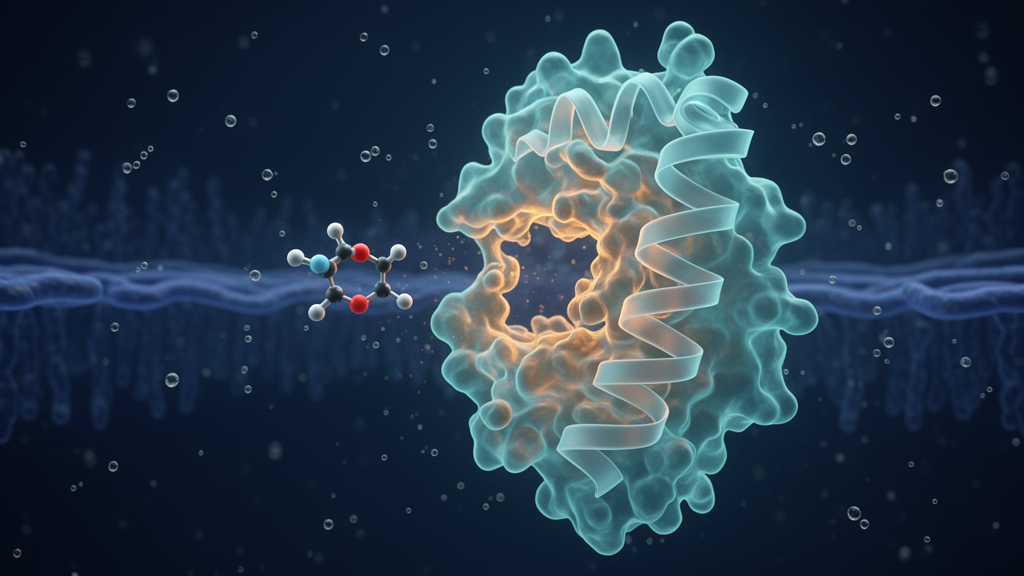
A scientific commentary published in the Journal of Cancer Research and Clinical Oncology evaluates the therapeutic conclusions of an earlier paper investigating TTK inhibition in lung adenocarcinoma. Authored by Ehsan Khodamoradi, the Matters Arising article directly addresses an October 2026 study by Patidar and colleagues concerning TTK-mediated ceRNA networks in lung adenocarcinoma.

The commentary identifies two critical scientific issues that were not addressed in the original paper’s limitations section. First, Khodamoradi points out that Patidar and colleagues interpreted molecular docking scores as evidence of binding affinity and inhibitory activity in their study. The commentary explains that interpreting in silico docking scores as evidence of binding affinity or inhibitory activity is scientifically unsupported.

Second, the commentary emphasizes that the original therapeutic recommendation for hesperidin lacks any functional validation. According to Khodamoradi, the authors did not perform any enzymatic, cellular, or in vivo assays to support their claims. Without functional experimental testing, in silico docking observations cannot establish whether hesperidin provides actual therapeutic efficacy against TTK.

Overall, the commentary reiterates that docking scores do not establish binding affinity or therapeutic efficacy regarding TTK inhibition in lung adenocarcinoma. Because no functional assays were performed to evaluate hesperidin, Khodamoradi concludes that these unaddressed scientific concerns fundamentally affect the validity of the paper’s therapeutic conclusions and warrant clarification.

Subject of Research: Critique of in silico docking scores and therapeutic conclusions in lung adenocarcinoma

Article Title: Docking scores do not establish binding affinity or therapeutic efficacy: concerns regarding the interpretation of in silico findings on TTK inhibition in lung adenocarcinoma

Article References: Khodamoradi, E. (2026). Docking scores do not establish binding affinity or therapeutic efficacy: concerns regarding the interpretation of in silico findings on TTK inhibition in lung adenocarcinoma. Journal of Cancer Research and Clinical Oncology, 152(12), Article 237. https://doi.org/10.1007/s00432-026-06657-9

Image Credits: AI Generated

DOI: 10.1007/s00432-026-06657-9

Keywords: TTK inhibition, lung adenocarcinoma, molecular docking, binding affinity, therapeutic efficacy, in silico findings, hesperidin, ceRNA networks, functional validation, enzymatic assays, cellular assays, in vivo assays, Matters Arising, Ehsan Khodamoradi, Journal of Cancer Research and Clinical Oncology, inhibitory activity, Patidar

News Source: Nathaniel Bowman. (November 19, 2026). Docking Scores Do Not Establish Binding Affinity in Lung Adenocarcinoma Study. Scienmag.

Tags: binding affinitycellular assaysceRNA networksEhsan Khodamoradienzymatic assaysfunctional validationhesperidinin silico findingsin vivo assaysinhibitory activityJournal of Cancer Research and Clinical Oncologylung adenocarcinomamatters arisingmolecular dockingPatidarTherapeutic EfficacyTTK inhibition
Share12Tweet7Share2ShareShareShare1

Related Posts

Spinal Fusion in Marfan Syndrome Carries Higher Mechanical Risks Than Idiopathic Scoliosis

Spinal Fusion in Marfan Syndrome Carries Higher Mechanical Risks Than Idiopathic Scoliosis

November 19, 2026
Bedside Ultrasound Corroborates Clinical Concern in Two Pediatric Emergency Cases

Bedside Ultrasound Corroborates Clinical Concern in Two Pediatric Emergency Cases

November 19, 2026

Study Prioritizes HEBP1 as Candidate Mechanistic Target for Ischemic Stroke

November 19, 2026

Sociocultural Dynamics Constrain Medical Workplace Assessments in Pakistan, Faculty Study Finds

November 19, 2026

POPULAR NEWS

  • Anlotinib Combined with Cranial Radiotherapy Shows Promise for Lung Cancer Brain Metastases

    Anlotinib Combined with Cranial Radiotherapy Shows Promise for Lung Cancer Brain Metastases

    29 shares
    Share 12 Tweet 7
  • Curcumin Reduces Liver Steatosis in Rats by Altering Gut Microbiota and Epigenetics

    29 shares
    Share 12 Tweet 7
  • Air Sampling in Bat Caves Captures Mammalian Viruses Across Optimized Volumes

    29 shares
    Share 12 Tweet 7
  • Rimegepant Provides Meaningful Relief as Second- or Third-Line Acute Migraine Therapy

    29 shares
    Share 12 Tweet 7

About

We bring you the latest biotechnology news from best research centers and universities around the world. Check our website.

Follow us

Recent News

Spinal Fusion in Marfan Syndrome Carries Higher Mechanical Risks Than Idiopathic Scoliosis

Bedside Ultrasound Corroborates Clinical Concern in Two Pediatric Emergency Cases

Study Prioritizes HEBP1 as Candidate Mechanistic Target for Ischemic Stroke

Subscribe to Blog via Email

Enter your email address to subscribe to this blog and receive notifications of new posts by email.

Join 89 other subscribers
  • Contact Us

Bioengineer.org © Copyright 2023 All Rights Reserved.

Welcome Back!

Login to your account below

Forgotten Password?

Retrieve your password

Please enter your username or email address to reset your password.

Log In
No Result
View All Result
  • Homepages
    • Home Page 1
    • Home Page 2
  • News
  • National
  • Business
  • Health
  • Lifestyle
  • Science

Bioengineer.org © Copyright 2023 All Rights Reserved.