• HOME
  • NEWS
  • EXPLORE
    • CAREER
      • Companies
      • Jobs
    • EVENTS
    • iGEM
      • News
      • Team
    • PHOTOS
    • VIDEO
    • WIKI
  • BLOG
  • COMMUNITY
    • FACEBOOK
    • INSTAGRAM
    • TWITTER
Friday, June 26, 2026
BIOENGINEER.ORG
No Result
View All Result
  • Login
  • HOME
  • NEWS
  • EXPLORE
    • CAREER
      • Companies
      • Jobs
        • Lecturer
        • PhD Studentship
        • Postdoc
        • Research Assistant
    • EVENTS
    • iGEM
      • News
      • Team
    • PHOTOS
    • VIDEO
    • WIKI
  • BLOG
  • COMMUNITY
    • FACEBOOK
    • INSTAGRAM
    • TWITTER
  • HOME
  • NEWS
  • EXPLORE
    • CAREER
      • Companies
      • Jobs
        • Lecturer
        • PhD Studentship
        • Postdoc
        • Research Assistant
    • EVENTS
    • iGEM
      • News
      • Team
    • PHOTOS
    • VIDEO
    • WIKI
  • BLOG
  • COMMUNITY
    • FACEBOOK
    • INSTAGRAM
    • TWITTER
No Result
View All Result
Bioengineer.org
No Result
View All Result
Home NEWS Science News Cancer

Do all chemotherapies have equal long-term heart risk?

Bioengineer by Bioengineer
January 31, 2019
in Cancer
Reading Time: 2 mins read
0
IMAGE
Share on FacebookShare on TwitterShare on LinkedinShare on RedditShare on Telegram

Study of 28,000 childhood cancer survivors finds important differences
IMAGE

Credit: UT Health San Antonio

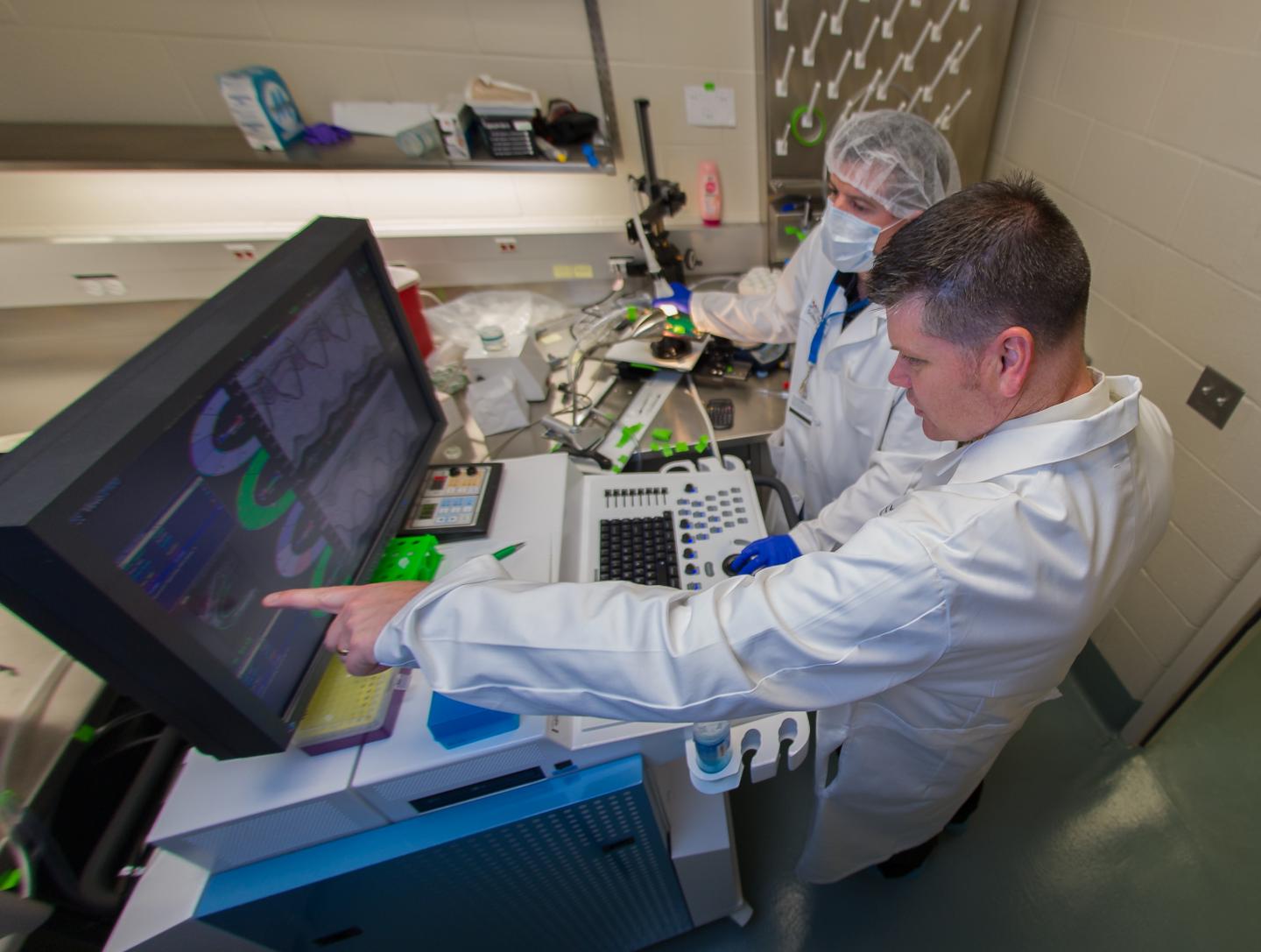
SAN ANTONIO — In long-term survivors of childhood cancer, cardiovascular disease is a leading cause of early death from non-cancer causes. In a new study, published Jan. 31 in JAMA Oncology, researchers compared four chemotherapy drugs with development of cardiomyopathy (abnormal heart muscle with impaired function) years after treatment.

“Exposure to anthracycline chemotherapies, such as doxorubicin, has long been associated with an increased risk of cardiovascular disease in long-term childhood cancer survivors,” said Gregory Aune, M.D., Ph.D., of UT Health San Antonio. “Previously, it was assumed that exposure to any member of the anthracycline class carried the same risk of late cardiovascular complications. By studying the outcomes of over 28,000 long-term survivors in the U.S. and Europe, this research indicates that exposure to different anthracyclines results in variable long-term cardiovascular risk. In the future, it will be important to take these differences into account when screening long-term survivors for cardiovascular complications and in the development of modern treatment regimens.”

The drug daunorubicin was associated with decreased cardiomyopathy risk when compared to doxorubicin, the study showed. Mitoxantrone, another chemotherapy, appeared to have greater long-term cardiomyopathy risk than was previously estimated.

“The past several decades have been focused on devising combinations of drugs that work best for curing patients,” said Gail Tomlinson, M.D., Ph.D., professor of pediatrics, division director of pediatric hematology-oncology, and holder of the Greehey Distinguished Chair in Genetics and Cancer at UT Health San Antonio. “This has been a highly successful process with a substantial increase in survival for most cancer types. Now with so many survivors alive many years from their original cancer, it is imperative to fine-tune protocols based on the goal of minimizing late effects.”

Dr. Aune, assistant professor of pediatric hematology-oncology at UT Health San Antonio and an investigator with the university’s Greehey Children’s Cancer Research Institute, assisted in the study design and review. Co-authors are from the Netherlands; the Fred Hutchinson Cancer Research Center in Seattle; St. Jude Children’s Research Hospital in Memphis, Tenn.; the Duke University School of Medicine; and the University of Washington, Seattle.

###

The University of Texas Health Science Center at San Antonio, now called UT Health San Antonio®, is one of the country’s leading health sciences universities. With missions of teaching, research, healing and community engagement, its schools of medicine, nursing, dentistry, health professions and graduate biomedical sciences have produced 36,500 alumni who are leading change, advancing their fields and renewing hope for patients and their families throughout South Texas and the world. To learn about the many ways “We make lives better®,” visit http://www.uthscsa.edu.

Stay connected with UT Health San Antonio on Facebook, Twitter, LinkedIn, Instagram and YouTube.

Media Contact
Will Sansom
[email protected]
210-567-2579

Related Journal Article

http://dx.doi.org/10.1001/jamaoncol.2018.6634

Tags: cancerCardiologyMedicine/HealthPediatrics
Share12Tweet8Share2ShareShareShare2

Related Posts

Cracking the Code: How Cancer Evades Antibody-Drug Conjugates and New Strategies to Overcome Resistance

June 25, 2026

MSU Scientists Reveal Mechanism Behind Ovarian Cancer’s Chemotherapy Resistance and Strategies to Overcome It

June 25, 2026

Rare Mixed Liver Cancer Underscores Diagnostic and Therapeutic Challenges

June 25, 2026

How Socioeconomic Factors Shape Lung Cancer Screening Experiences

June 25, 2026
Please login to join discussion

POPULAR NEWS

  • Saying Goodbye to PGY-6: Pediatric Fellowship Realities

    103 shares
    Share 41 Tweet 26
  • Multi-Hospital Study Reveals Long Covid Burden Is Twice as High as Current Estimates

    92 shares
    Share 36 Tweet 23
  • Detection of EDCs in Breast Milk and Infant Urine Up to Six Months Highlights Early Exposure Risks

    77 shares
    Share 31 Tweet 19
  • New Drug Candidate Developed at McMaster Shows Potential for Treating Brain Cancer

    58 shares
    Share 23 Tweet 15

About

We bring you the latest biotechnology news from best research centers and universities around the world. Check our website.

Follow us

Recent News

Tracking Lanthanide-Labeled Microplastics in Plants

POSTECH Researchers Slash Cost of Reconstituted Cell-Free Systems by 95%

AI and Physics Collaborate to Design Advanced Hydrogen Storage Materials

Subscribe to Blog via Email

Success! An email was just sent to confirm your subscription. Please find the email now and click 'Confirm' to start subscribing.

Join 82 other subscribers
  • Contact Us

Bioengineer.org © Copyright 2023 All Rights Reserved.

Welcome Back!

Login to your account below

Forgotten Password?

Retrieve your password

Please enter your username or email address to reset your password.

Log In
No Result
View All Result
  • Homepages
    • Home Page 1
    • Home Page 2
  • News
  • National
  • Business
  • Health
  • Lifestyle
  • Science

Bioengineer.org © Copyright 2023 All Rights Reserved.