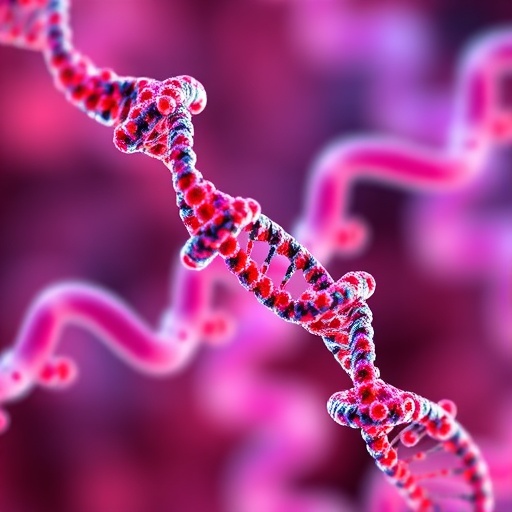
The DNA damage response (DDR) and the immune system may look like separate defense networks, but new research underscores how tightly they can cooperate to shape outcomes in cancer immunotherapy. DDR normally preserves genomic stability, while immune surveillance protects the host by recognizing abnormal cells. In many tumors, however, DDR pathways are compromised, either by intrinsic defects or by therapeutic DDR inhibitors, creating a chain reaction that can make cancers more visible to the immune system.
At the core of this link is genomic instability. When DDR fails, DNA damage accumulates and errors increase, leading to the emergence of altered protein sequences. These changes can generate neoantigens—peptide fragments displayed on tumor cell surfaces—that help activate tumour-specific T cells. In parallel, damaged cells can release DNA into the cytosol, where it is sensed as a danger signal rather than ignored as cellular background.
Cytosolic DNA triggers the cGAS–STING axis. Cyclic GMP-AMP synthase (cGAS) detects cytosolic DNA and produces cyclic GMP-AMP, which then activates the adaptor STING. Activated STING promotes type I interferon production, driving antiviral-like inflammatory programs within the tumor microenvironment. These interferons help recruit and activate immune populations, supporting antigen presentation and strengthening T cell priming and trafficking.
What emerges from these processes is synergy. Neoantigen-driven T cell activation and STING-dependent type I interferon signaling reinforce each other, creating conditions that can markedly improve the efficacy of immune checkpoint blockade. In such settings, therapies that remove inhibitory signals on T cells can translate existing immune recognition into durable anti-tumor activity.
The review by Hong and Li also highlights that these benefits are not universal. Tumors can develop resistance by dampening interferon pathways, altering antigen processing, or reconfiguring immune suppression. Understanding these escape routes is crucial for designing more reliable combinations.
DDR-targeted strategies therefore represent a promising avenue: pairing DDR defects or DDR inhibitors with immune checkpoint blockade may boost immunogenicity while expanding the fraction of responsive patients. The challenge now is to anticipate resistance and optimize dosing and scheduling to maximize immune activation without intolerable toxicity.
Finally, the work points toward next-generation approaches that exploit DDR vulnerabilities while accounting for tumor heterogeneity. By mapping how DDR defects generate both antigenic and innate immune signals, researchers can better tailor immunotherapy and improve the odds of long-term control in resistant cancers.
Subject of Research:
Article Title: The DNA damage response and cancer immunotherapy.
Article References:
Hong, S., Li, GM. The DNA damage response and cancer immunotherapy. Nat Rev Cancer (2026). https://doi.org/10.1038/s41568-026-00958-4
Image Credits: AI Generated
DOI: 10.1038/s41568-026-00958-4
Keywords:
Tags: cancer immunotherapycGAS STING pathwaycytosolic DNA sensingDDR pathway defectsDNA damage responsegenomic instability in tumorsimmune system and DNA damageneoantigen formationtherapeutic DDR inhibitorstumor immune surveillancetumor microenvironment immune activationtype I interferon in cancer