• HOME
  • NEWS
  • EXPLORE
    • CAREER
      • Companies
      • Jobs
    • EVENTS
    • iGEM
      • News
      • Team
    • PHOTOS
    • VIDEO
    • WIKI
  • BLOG
  • COMMUNITY
    • FACEBOOK
    • INSTAGRAM
    • TWITTER
Wednesday, June 24, 2026
BIOENGINEER.ORG
No Result
View All Result
  • Login
  • HOME
  • NEWS
  • EXPLORE
    • CAREER
      • Companies
      • Jobs
        • Lecturer
        • PhD Studentship
        • Postdoc
        • Research Assistant
    • EVENTS
    • iGEM
      • News
      • Team
    • PHOTOS
    • VIDEO
    • WIKI
  • BLOG
  • COMMUNITY
    • FACEBOOK
    • INSTAGRAM
    • TWITTER
  • HOME
  • NEWS
  • EXPLORE
    • CAREER
      • Companies
      • Jobs
        • Lecturer
        • PhD Studentship
        • Postdoc
        • Research Assistant
    • EVENTS
    • iGEM
      • News
      • Team
    • PHOTOS
    • VIDEO
    • WIKI
  • BLOG
  • COMMUNITY
    • FACEBOOK
    • INSTAGRAM
    • TWITTER
No Result
View All Result
Bioengineer.org
No Result
View All Result
Home NEWS Science News Biology

Deadliest period in Earth’s history was also the stinkiest

Bioengineer by Bioengineer
December 20, 2021
in Biology
Reading Time: 3 mins read
0
Stinky H2S
Share on FacebookShare on TwitterShare on LinkedinShare on RedditShare on Telegram

Tiny microbes belching toxic gas helped cause — and prolong — the biggest mass extinction in Earth’s history, a new study suggests.
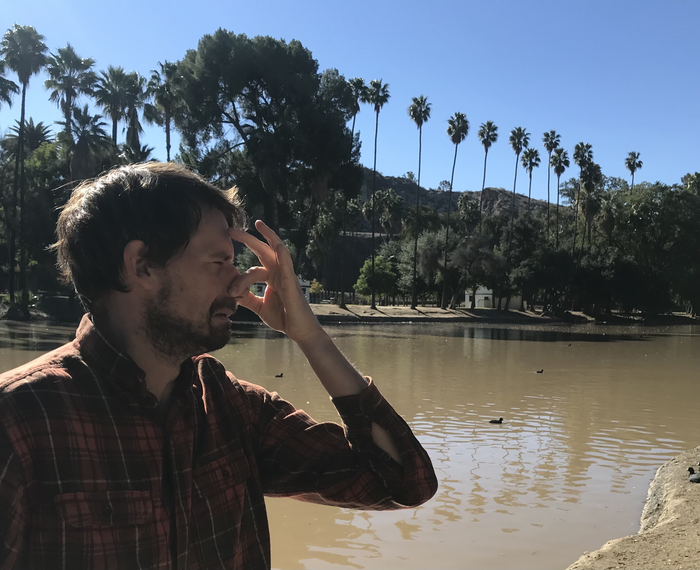
Stinky H2S

Credit: Dominik Hülse/UCR

Tiny microbes belching toxic gas helped cause — and prolong — the biggest mass extinction in Earth’s history, a new study suggests.

Generally, scientists believe Siberian volcanos spitting greenhouse gases primarily drove the mass extinction event about 250 million years ago, at the end of the Permian period. The gases caused extreme warming, which in turn led 80% of all marine species, as well as many land species, to go extinct.

Until now, scientists could not explain exactly how the heat caused those deaths. A new UC Riverside-led study in Nature Geoscience shows that the heat accelerated microbes’ metabolisms, creating deadly conditions. 

“After oxygen in the ocean was used up to decompose organic material, microbes started to ‘breathe’ sulfate and produced hydrogen sulfide, a gas that smells like rotten eggs and is poisonous to animals,” said UC Riverside Earth system modeler Dominik Hülse.

As ocean photosynthesizers — the microbes and plants that form the base of the food chain — rotted, other microbes quickly consumed the oxygen and left little of it for larger organisms. In the absence of oxygen, microbes consumed sulfate then expelled toxic, reeking hydrogen sulfide, or H2S, creating an even more extreme condition called euxinia. These conditions were sustained by the release of nutrients during decomposition, promoting the production of more organic material which helped to maintain this stinky, toxic cycle.

“Our research shows the entire ocean wasn’t euxinic. These conditions began in the deeper parts of the water column,” Hülse said. “As temperatures increased, the euxinic zones got larger, more toxic, and moved up the water column into the shelf environment where most marine animals lived, poisoning them.” 

The expanding euxinic zones can be detected through chemical signatures in sediment samples. 

Oxygen depletion is a problem that persists today and is bound to get worse under future climate change. Euxinic waters can be found in places like Los Angeles County’s 16-mile-long Dominguez Channel, into which a September 2021 warehouse fire released ethanol. The ethanol killed vegetation in the channel, which decayed and got consumed by microbes. They then produced hydrogen sulfide at toxic levels. Thousands in breathing range of the reeking river reported vomiting, diarrhea, dizziness, insomnia, headaches, sneezing, and other symptoms. 

Lessons from the ancient world may be important for understanding the processes that are challenging our modern oceans and waterways. 

“It would be speculative to superimpose the ancient mass extinction event on today’s planet,” Hülse said. “However, the study does show us that the ocean’s response to higher carbon dioxide concentrations in the atmosphere may be underestimated.”


Journal

Nature Geoscience

DOI

10.1038/s41561-021-00829-7

Method of Research

Computational simulation/modeling

Subject of Research

Not applicable

Article Title

End-Permian marine extinction due to temperature-driven nutrient recycling and euxinia

Article Publication Date

28-Oct-2021

Share12Tweet8Share2ShareShareShare2

Related Posts

Enhanced Riboflavin Production Achieved in Bacillus subtilis through Transporter Engineering — Biology

Enhanced Riboflavin Production Achieved in Bacillus subtilis through Transporter Engineering

June 24, 2026
Scientists Discover Evolving Sperm Whale Dialects in the Mediterranean Sea — Biology

Scientists Discover Evolving Sperm Whale Dialects in the Mediterranean Sea

June 24, 2026

Unraveling the Genetic Buzz: Insights into Worker Honeybee Metamorphosis

June 24, 2026

Why Birds Lay Surprisingly Large Eggs: New Study Reveals the Link to Bigger Brains

June 24, 2026

POPULAR NEWS

  • Saying Goodbye to PGY-6: Pediatric Fellowship Realities

    103 shares
    Share 41 Tweet 26
  • Multi-Hospital Study Reveals Long Covid Burden Is Twice as High as Current Estimates

    92 shares
    Share 36 Tweet 23
  • Detection of EDCs in Breast Milk and Infant Urine Up to Six Months Highlights Early Exposure Risks

    77 shares
    Share 31 Tweet 19
  • New Drug Candidate Developed at McMaster Shows Potential for Treating Brain Cancer

    58 shares
    Share 23 Tweet 15

About

We bring you the latest biotechnology news from best research centers and universities around the world. Check our website.

Follow us

Recent News

Christoph Bock Awarded ERC Advanced Grant to Develop “Living Drugs” for Cancer Treatment

Effective and Feasible: Hourly Movement Breaks Combat Sedentary Health Risks

Harnessing Lightning-Speed Advances in Nuclear Fusion Modeling

Subscribe to Blog via Email

Enter your email address to subscribe to this blog and receive notifications of new posts by email.

Join 82 other subscribers
  • Contact Us

Bioengineer.org © Copyright 2023 All Rights Reserved.

Welcome Back!

Login to your account below

Forgotten Password?

Retrieve your password

Please enter your username or email address to reset your password.

Log In
No Result
View All Result
  • Homepages
    • Home Page 1
    • Home Page 2
  • News
  • National
  • Business
  • Health
  • Lifestyle
  • Science

Bioengineer.org © Copyright 2023 All Rights Reserved.