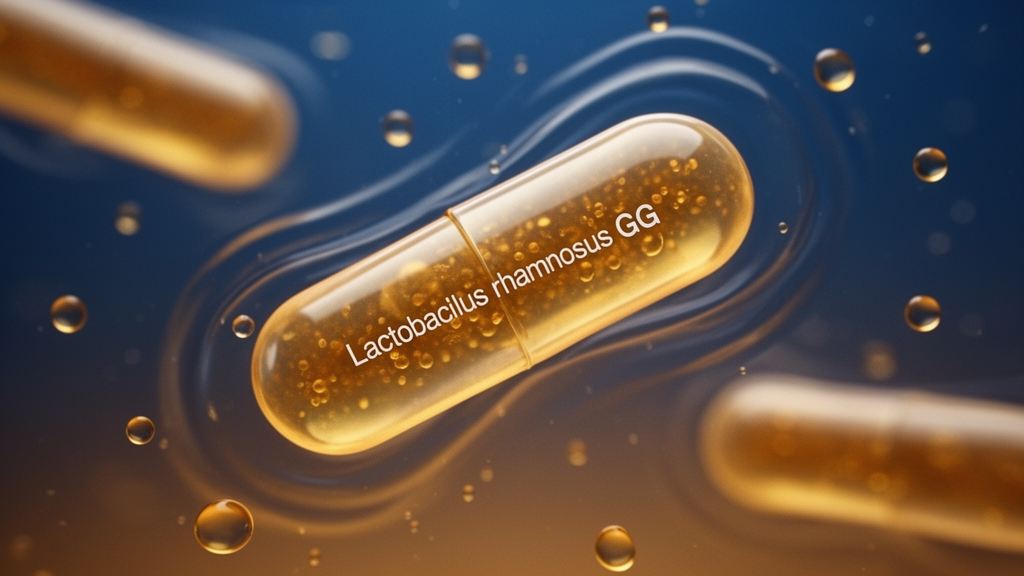
Researchers have identified specific ways in which cumin extract can interact with the probiotic bacterium Lacticaseibacillus rhamnosus GG, or LGG, in laboratory settings. Published in Discover Bacteria in June 2025, the study investigates the synbiotic potential of Cuminum cyminum L. and LGG, focusing on how the plant extract influences bacterial growth, aggregation, biofilm formation, adhesion, and antioxidant activity. The findings suggest that while cumin does not inhibit the growth of this common probiotic strain, it can enhance certain functional properties that may be relevant for gut health applications.
The study was conducted by a team of researchers including Seda Nur Erciyes, Fatma Al Dukr, Buse Nur Derebasi, Sena Davran Bulut, and Hasan Ufuk Celebioglu. The work addresses the growing interest in the interplay between intestinal microbiota and human health. Probiotics like LGG are recognized for their role in immune function and pathogen resistance, while natural edible plants like cumin are known for their therapeutic effects. The research aims to explore whether cumin can act as a prebiotic component in synbiotic formulations with LGG.
Cuminum cyminum L., belonging to the Apiaceae family, is widely used as a food additive and in traditional herbal medicine. It is noted for its rich content of phenols, flavonoids, and terpenes, which contribute to its antioxidant, antimicrobial, and anti-inflammatory properties. LGG, on the other hand, is a well-known probiotic strain that was the first patented strain of the Lactobacillus genus in 1989. It is valued for its ability to survive in bile-containing environments and gastric acid, as well as its capacity to form biofilms that protect the intestinal epithelium.
To investigate these interactions, the researchers prepared a cumin extract using an ethanol-based method. They tested various concentrations of this extract, ranging from 0 to 1000 micrograms per milliliter, against LGG cultures. The primary goal was to determine if the cumin extract had any inhibitory effects on bacterial growth and how it influenced specific probiotic characteristics. The experimental design involved growing LGG in a semisynthetic medium for lactic acid bacteria under controlled conditions at 37 degrees Celsius.
The results indicated that none of the tested cumin extract concentrations showed any inhibitory effect on the growth of LGG. This is a significant finding because cumin extract is known to have antibacterial properties against other bacteria, such as E. coli and Staphylococcus aureus. The fact that LGG remains unaffected suggests that the probiotic strain can tolerate the presence of cumin, which is a prerequisite for a potential synbiotic combination. The study also examined the resistance of LGG to pepsin and bile salts, which are critical for survival in the gastrointestinal tract.
In terms of pepsin resistance, LGG grown with 250 micrograms per milliliter of cumin extract demonstrated approximately 66% tolerance. Other concentrations showed varying levels of tolerance, with 125 micrograms per milliliter yielding 83% and 500 micrograms per milliliter yielding 53%. Regarding bile salt resistance, the addition of 125 and 250 micrograms per milliliter of cumin extract significantly enhanced the resistance potential of LGG. Specifically, these concentrations resulted in bile salt tolerance levels of 78% and 62%, respectively, compared to the control group. These findings suggest that lower concentrations of cumin extract may support LGG survival under harsh environmental conditions.
The study also evaluated the auto-aggregation properties of LGG, which is a crucial factor for probiotic colonization and pathogen exclusion. The researchers observed that cumin extract positively influenced the auto-aggregation ability of LGG in a dose-dependent manner. At the first hour of incubation, 125 micrograms per milliliter of cumin extract significantly enhanced auto-aggregation compared to the control. By the second and third hours, all tested concentrations showed statistically significant increases. At the fourth hour, the effect persisted for 250 and 500 micrograms per milliliter, with the highest aggregation observed at the highest concentration. This enhancement could potentially improve LGG’s ability to colonize the gastrointestinal tract.
Adhesion to mucin, a key property for probiotics to interact with the intestinal lining, was also assessed. The results revealed no statistically significant differences in mucin adhesion between LGG grown with cumin extract and the untreated control group. This indicates that cumin extract does not positively or negatively affect the adhesion capability of LGG under the tested conditions. However, the study found that cumin extract has the potential to enhance biofilm formation in LGG. LGG without cumin extract exhibited a baseline biofilm formation capacity of 28%. Treatment with 125 and 250 micrograms per milliliter of cumin extract significantly enhanced this capacity, increasing it to 39% and 38%, respectively.
The antioxidant activity of LGG in the presence of cumin extract was assessed using DPPH and ABTS radical scavenging assays. LGG alone exhibited an antioxidant capacity of 32% in the DPPH assay and 33% in the ABTS assay. While cumin extract itself showed inherent antioxidant potential, the combination of LGG and cumin extract did not result in statistically significant improvements in antioxidant activity compared to LGG alone. This suggests that while cumin has its own antioxidant properties, it does not significantly enhance the antioxidant activity of LGG in this specific context.
The researchers discuss the implications of these findings for the development of synbiotic formulations. The ability of cumin extract to enhance auto-aggregation and biofilm formation without inhibiting growth or compromising antioxidant activity makes it a promising candidate for prebiotic components. However, the lack of significant improvement in adhesion and antioxidant synergy highlights the complexity of plant-probiotic interactions. The study emphasizes the need for further research to elucidate the underlying molecular mechanisms and to evaluate the effects of such combinations in vivo and in clinical settings.
Limitations of the study include its in vitro nature, which means the results may not fully translate to human physiological conditions. The study also notes that the method of extraction and preparation of the cumin extract could influence its bioactive profile, suggesting that different extraction protocols might yield different results.
In conclusion, this study provides valuable insights into the emerging potential of Cuminum cyminum L. as a prebiotic component in synbiotic formulations with LGG. The findings highlight the specific probiotic properties that can be augmented by cumin extract, such as auto-aggregation and biofilm formation, without negatively affecting bacterial growth. Further investigations are needed to explore the application of these synbiotic combinations in functional foods for enhancing gut health and to understand the broader implications for human health.
Methodological records describe the precise preparation and stress conditions applied to assess bacterial durability. The plant extract was prepared by soaking ten grams of Cuminum cyminum powder in one hundred milliliters of ninety-six percent ethanol containing ten percent glycerol for twenty-four hours before filtration and storage at minus twenty degrees Celsius. LGG cultures, provided by Chr. Hansen, were maintained in semisynthetic lactic acid bacteria medium at thirty-seven degrees Celsius for sixteen hours to reach late logarithmic phase. In the digestive stress assays, bacterial pellets were incubated for two hours in phosphate-buffered saline containing either two milligrams per milliliter of pepsin or three milligrams per milliliter of bile salts. Viability following these challenges was quantified through colorimetric MTT reduction assays incubated for two to three hours at room temperature.
The evaluation of mucosal interaction separated short-term adhesion from structured matrix development using specialized microplate assays. Wells were coated with two hundred microliters of zero-point-one milligram per milliliter mucin overnight at four degrees Celsius, and bacterial suspensions were adjusted to an initial optical density of one-point-five at six hundred nanometers. Adhesion was assessed after two hours, whereas biofilm formation was evaluated after seventy-two hours of incubation at thirty-seven degrees Celsius. Non-adherent cells were rinsed away, and retained bacteria were stained with crystal violet for thirty minutes, treated with iodine solution, and destained with thirty percent acetic acid for spectrophotometric measurement at five hundred seventy nanometers. Replicate data were analyzed using one-way ANOVA and Tukey’s test across at least three biological replicates at a significance threshold of p less than zero-point-zero-five.
In discussing these physiological outcomes, the authors contextualized the biofilm and adhesion responses within bacterial surface biology. The notable increase in biofilm formation at lower extract concentrations may result from phenolic compounds modulating quorum sensing mechanisms, which regulate cooperative communal behavior in probiotic populations. In contrast, the reduced biofilm capacity observed at five hundred micrograms per milliliter suggests an inhibitory threshold, consistent with findings observed in studies involving high concentrations of green tea polyphenols. Furthermore, the absence of enhanced mucin adhesion highlights the specialized nature of bacterial attachment, which is governed by dedicated mucus-binding proteins that plant polyphenols do not necessarily promote, despite their known ability to modify the wider bacterial proteome.
To examine antioxidant mechanisms, the authors analyzed cell-free supernatants using radical scavenging assays, measuring DPPH at five hundred seventeen nanometers and ABTS at seven hundred thirty-four nanometers. They noted that postbiotic metabolites released by LGG exhibit strong baseline antioxidant potential, which may overshadow secondary effects from cumin phytocompounds such as cuminaldehyde, carvone, linalool, carvacrol, anethole, and estragole. To fully establish cumin’s viability in synbiotic foods, the researchers emphasized that subsequent work must investigate bacterial gene regulation, surface protein expression, and in vivo efficacy in clinical models.
Subject of Research: Postbiotic potential and emerging synbiotic interactions of Cuminum cyminum L. and Lacticaseibacillus rhamnosus GG
Article Title: Postbiotic potential and emerging synbiotic interactions of Cuminum cyminum L. and Lacticaseibacillus rhamnosus GG
Article References: Erciyes, S. N., Al Dukr, F., Derebasi, B. N., Davran Bulut, S., & Celebioglu, H. U. (2025). Postbiotic potential and emerging synbiotic interactions of Cuminum cyminum L. and Lacticaseibacillus rhamnosus GG. Discover Bacteria, 2(1), Article 19. https://doi.org/10.1007/s44351-025-00029-3
Image Credits: AI Generated
DOI: 10.1007/s44351-025-00029-3
Keywords: Postbiotic, potential, emerging, synbiotic, interactions, Cuminum, cyminum, Lacticaseibacillus, rhamnosus, scientific research
News Source: Drew Townsend. (November 11, 2026). Cumin Extract Enhances Specific Probiotic Traits in LGG Bacteria. Scienmag.