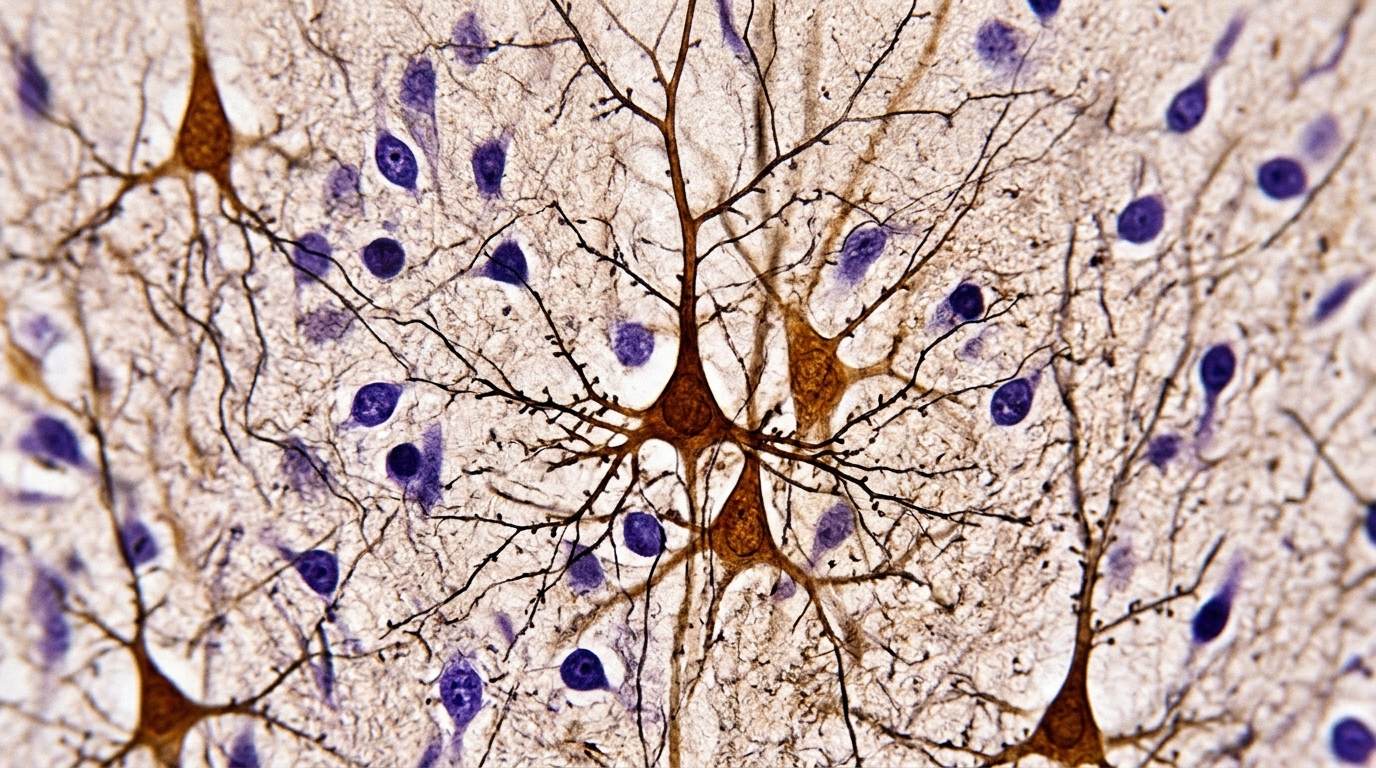
An integrative genomic investigation combining multi-tissue transcriptome-wide association studies, gene-level association scoring, and comprehensive protein interaction mapping has prioritized thirty candidate genes implicated in the genetic etiology of schizophrenia, highlighting DYNC1I2 and VRK2 as promising candidates, with DYNC1I2 further supported by cross-species evidence in a mouse model. Schizophrenia represents a severe and complex psychiatric condition marked by positive symptoms, negative symptoms, and profound cognitive deficits that collectively affect roughly twenty-three million individuals across the globe. Although twin research has long demonstrated that the disorder possesses a substantial heritability estimated between sixty and eighty percent, deciphering the exact molecular choreography through which inherited risk variants induce disease vulnerability has historically proven formidable. Traditional genome-wide association studies have successfully uncovered more than one hundred genomic loci robustly associated with schizophrenia risk, but the vast majority of these identified variants reside in non-coding regulatory sequences rather than protein-altering regions. Consequently, pervasive linkage disequilibrium across these regions obscures true causal determinants, making direct translation into coherent biological mechanisms exceedingly difficult.
To overcome these persistent analytical hurdles, the research team implemented an integrative statistical genetics framework engineered to bridge the interpretative divide between non-coding genetic polymorphisms and downstream functional manifestations. The authors capitalized on large-scale schizophrenia genome-wide association study summary statistics released in 2022 by the Psychiatric Genomics Consortium, which incorporated 53,386 diagnosed schizophrenia cases and 77,258 unaffected controls drawn from diverse European populations spanning the United Kingdom, Germany, Finland, and the Netherlands. These expansive clinical association statistics were systematically merged with comprehensive expression quantitative trait loci reference profiles derived from the Genotype-Tissue Expression project Version 8 release. The reference repository provided deep RNA sequencing data collected from 838 post-mortem human donors across forty-nine distinct anatomical tissues, featuring sample cohorts ranging from 73 donors in kidney cortex to 706 donors in skeletal muscle. Rigorous quality control standards ensured that analyzed biospecimens maintained RNA integrity numbers exceeding 6.0, sequencing depths surpassing twenty million alignable reads, and transcript abundance levels exceeding 0.1 transcripts per million across at least ten tissue replicates.
The methodological architecture deployed three complementary analytical algorithms to ensure that prioritization did not depend upon the idiosyncratic assumptions of any single computational model. First, the researchers executed cross-tissue transcriptome-wide association testing using the Unified Test for Molecular Signatures, known as UTMOST, which incorporates a group least absolute shrinkage and selection operator penalty to capture shared regulatory effects across diverse anatomical systems while preserving tissue-specific signals. Signal integration across multiple tissues was achieved through the generalized Berk-Jones test under a strict false discovery rate threshold below 0.05. Second, the authors performed single-tissue transcriptome-wide association analyses across all forty-nine reference tissues using the Functional Summary-based Imputation pipeline, known as FUSION, which evaluated SNP effects through optimal predictive gene models trained against European reference genomes. Third, Multi-marker Analysis of Genomic Annotation, implemented via MAGMA version 1.08, was applied to aggregate single-nucleotide polymorphism statistics into comprehensive gene-level association scores. Integrating these three workflows identified 351 significant genes via cross-tissue testing, 4,617 genes across single-tissue models, and 3,012 genes via MAGMA, converging upon thirty highly supported consensus candidate genes.
To decipher how these thirty prioritized genes coordinate within biological systems, the investigators mapped their products onto an extensive human interactome assembled from established databases including STRING, BioGRID, BioPlex, CCSB, HINT, HPRD, IntAct, MINT, and GeneMANIA. After purging self-interactions, standardizing molecular identifiers, and removing redundant contact records, the final consolidated interactome contained 28,645,977 unique protein-protein interactions. Within this structural space, the candidate genes formed an interconnected subnetwork comprising twenty-nine mapped nodes and ninety-seven nonredundant undirected edges. Permutation testing benchmarking these candidate genes against one thousand randomly sampled, size-matched control sets drawn from 19,406 human protein-coding genes demonstrated that the candidate set displayed significantly elevated topological centrality. Specifically, the candidate genes exhibited elevated node degree (p = 0.0026), betweenness centrality (p = 0.0176), and closeness centrality (p = 0.0020), whereas their local clustering coefficient remained indistinguishable from the null background distribution (p = 0.8149), indicating broad integrative connectivity rather than isolated modular clustering.
To objectively isolate the primary structural drivers within this network without resorting to arbitrary thresholding cutoffs, the authors instituted a distribution-based criterion designating proteins as highly connected if their degree exceeded the network mean plus one standard deviation. Across the thirty candidate genes, the mean connectivity degree stood at 6.47 with a standard deviation of 4.28, establishing an analytical selection threshold of 10.75 that resolved into degree values of eleven or higher. This mathematical filter isolated six primary network-prioritized genes: ANKRD44, CUL3, DYNC1I2, EP300, ST13, and VRK2. These central hub genes were subsequently prioritized for rigorous downstream experimental evaluation across diverse biological models to determine whether their altered genetic associations translate into reproducible transcriptomic perturbations within relevant human anatomical structures and experimental models of disease pathology.
The investigators systematically evaluated the transcriptional dynamics of these six prioritized hub genes across postmortem human brain tissues obtained through the University of Pittsburgh Brain Bank. Utilizing Affymetrix U133 Plus 2.0 whole-genome microarrays across nineteen carefully matched tetrads of individuals diagnosed with schizophrenia and unaffected comparison subjects, the team analyzed gene expression within the dorsolateral prefrontal cortex, hippocampus, and associative striatum. This targeted validation confirmed that ANKRD44, DYNC1I2, and VRK2 exhibited pronounced differential expression profiles within the prefrontal cortex of affected individuals. Complementing these postmortem observations, the researchers examined total RNA sequencing data derived from six-month-old human cerebral organoids generated from induced pluripotent stem cells across eight individuals with schizophrenia and eight healthy controls. This human neurodevelopmental model recapitulated the altered expression profiles of ANKRD44, DYNC1I2, and VRK2, which were enriched in biological processes related to synaptic function, nervous system development, and antigen processing.
The examination of peripheral biological compartments further reinforced the systemic relevance of these network-prioritized loci. Drawing upon transcriptomic sequencing libraries generated on an Illumina HiSeq 4000 platform from peripheral blood samples collected during a study of modified electroconvulsive therapy involving eight schizophrenia patients and eight healthy controls, the team identified consistent differential expression patterns for DYNC1I2, EP300, and VRK2. Across the full spectrum of evaluated human datasets, DYNC1I2 and VRK2 repeatedly exhibited the most reliable and concordant transcriptional alterations. Interestingly, cross-tissue transcriptome profiling revealed robust association signals for ANKRD44, DYNC1I2, EP300, and ST13 within peripheral skin and breast tissues. Rather than signifying primary peripheral pathology, the authors noted that skin tissues share an embryonic ectodermal lineage with the central nervous system, meaning that large, statistically powered GTEx skin cohorts can effectively capture shared regulatory architectures and environmental susceptibility signals, such as ultraviolet and immune signaling pathways.
To evaluate whether these transcriptomic signatures persist in vivo under conditions mimicking the neurochemical deficits characteristic of schizophrenia, the authors established a pharmacological mouse model using MK-801, a potent non-competitive NMDA receptor antagonist known to provoke schizophrenia-like behavioral and neurobiological phenotypes. Prior to tissue harvesting, treated mice underwent structured behavioral phenotyping that demonstrated significant impairments. In social interaction trials, MK-801-treated animals exhibited a significant reduction in active sniffing duration. Spontaneous activity and open field testing revealed marked increases in total distance traveled and mean speed, accompanied by significantly reduced dwell time within the central arena, denoting hyperlocomotion and anxiety-like reactivity. Furthermore, prepulse inhibition assays revealed pronounced deficits in sensorimotor gating in response to acoustic stimuli, validating the functional recapitulation of NMDA receptor hypofunction in the experimental cohort.
Subsequent high-throughput RNA sequencing of prefrontal cortex and hippocampal tissues harvested from the MK-801-treated mice demonstrated significant transcriptional alterations across all six network-prioritized genes within hippocampal tissue. Within the prefrontal cortex, four specific hub genes exhibited statistically significant expression down-regulation: ANKRD44 exhibited a log2 fold change of negative 0.357 (p = 1.23 × 10⁻⁶), EP300 showed a log2 fold change of negative 0.264 (p = 6.22 × 10⁻²⁰), CUL3 demonstrated a log2 fold change of negative 0.238 (p = 4.95 × 10⁻⁴³), and DYNC1I2 exhibited a log2 fold change of negative 0.149 (p = 1.40 × 10⁻¹³). Strikingly, the transcriptional suppression of DYNC1I2 within the rodent prefrontal cortex directly paralleled the directional trends observed across the human clinical and organoid cohorts, providing cross-species experimental concordance supporting its prioritization as a core candidate gene.
To clarify the precise anatomical sites of action within complex brain architecture, the authors contextualized the candidate genes using single-cell transcriptomic datasets. Rather than exhibiting homogenous, ubiquitous expression across all neural cell classes, the network-prioritized genes displayed distinct cell-type affinities. CUL3 exhibited statistically significant differential expression within L5.IT and L6.IT excitatory projection neurons as well as Sncg-positive interneuron populations, whereas EP300 demonstrated enriched transcript abundance within the L6.IT.Car3 deep-layer neuronal subtype. Conversely, ST13 exhibited elevated baseline expression within astrocyte populations, while VRK2, ANKRD44, and DYNC1I2 displayed comparatively lower baseline transcript abundance across the majority of examined single-cell lineages, underscoring specialized cell-type-dependent regulatory roles within human cortical and subcortical microcircuits.
Pathway over-representation analyses conducted through ConsensusPathDB using the thirty consensus candidate genes illuminated several significantly enriched functional cascades following false discovery rate adjustment. The identified genes converged predominantly upon biological programs governing transcriptional regulation, hormone-responsive signaling, cytoskeletal remodeling, and extracellular matrix integrity. Among the most prominent pathways were the FOXA1 transcription factor network, the validated nuclear estrogen receptor alpha signaling cascade, matrix metalloproteinases, and carboxyterminal post-translational modifications of tubulin. Functionally, matrix metalloproteinases highlight the importance of extracellular matrix regulation in synaptic remodeling, while tubulin post-translational modifications underscore the role of microtubule dynamics in neuronal structure and connectivity. These collective pathway findings align with longstanding neurodevelopmental hypotheses suggesting that schizophrenia manifests through disruptions in structural remodeling, cytoskeletal transport, and synaptic plasticity during brain development.
Among the network-prioritized loci, DYNC1I2 and VRK2 emerge as exceptionally compelling candidates warranting focused mechanistic investigation. DYNC1I2 is a key part of cytoplasmic dynein-1, which helps move vesicles along microtubules and performs important roles in synaptic plasticity and brain development. This gene plays a critical role in neurodevelopment and synaptic plasticity, particularly in processes such as neuronal growth, synaptic connectivity, and shaping. Meanwhile, VRK2, located on chromosome 2p16, produces a serine/threonine protein kinase that helps control signaling pathways related to cell death, tumor growth, and immune response, with previous studies noting an association with schizophrenia risk in the Chinese Han population. Despite these compelling convergences, the authors caution that transcriptome-wide associations can occasionally reflect linkage disequilibrium rather than direct causal regulation, that existing protein interaction databases carry inherent reporting biases toward intensively studied proteins, and that acute pharmacological animal models cannot fully capture the chronic progression of human psychiatric disease, necessitating extensive functional validation in future experimental cohorts.
Subject of Research: Integrative multi-tissue transcriptomic and protein network prioritization of schizophrenia candidate genes
Article Title: Integrated cross-tissue transcriptome profiling unravels molecular networks and candidate genes in schizophrenia
Article References: Peng, M., Ye, H., Yao, Q., Yu, M., Xiang, L., Wang, D., & Xiang, B. (2026). Integrated cross-tissue transcriptome profiling unravels molecular networks and candidate genes in schizophrenia. BMC Psychiatry. https://doi.org/10.1186/s12888-026-08899-w
Image Credits: AI Generated
DOI: 10.1186/s12888-026-08899-w
Keywords: Schizophrenia, Transcriptome-Wide Association Study, Functional Summary-Based Imputation, Unified Test for Molecular Signatures, Genotype-Tissue Expression, Protein-Protein Interaction Networks, DYNC1I2, VRK2, Psychiatric Genomics Consortium, Gene Expression Profiling, Multi-Marker Analysis of Genomic Annotation, Postmortem Brain Tissue, Cerebral Organoids, MK-801 Mouse Model, Single-Cell Transcriptomics, Neurodevelopment
News Source: Juliet Wilcox. (November 28, 2026). Cross-Tissue Transcriptomic Analysis Prioritizes Thirty Candidate Genes for Schizophrenia Risk. Scienmag.