Two diterpenoid compounds extracted from the roots of Jatropha curcas, a plant long used in traditional medicine across Africa, Asia and Latin America, have shown potent activity against the malaria parasite Plasmodium falciparum in laboratory tests, with the strongest effects against late-ring and early-trophozoite stages of the parasite’s development. The compounds, known as curcusone B and curcusone C, inhibited both a drug-sensitive laboratory strain and a multidrug-resistant strain of the parasite at concentrations below one micromolar, according to a new study published in Frontiers in Malaria.
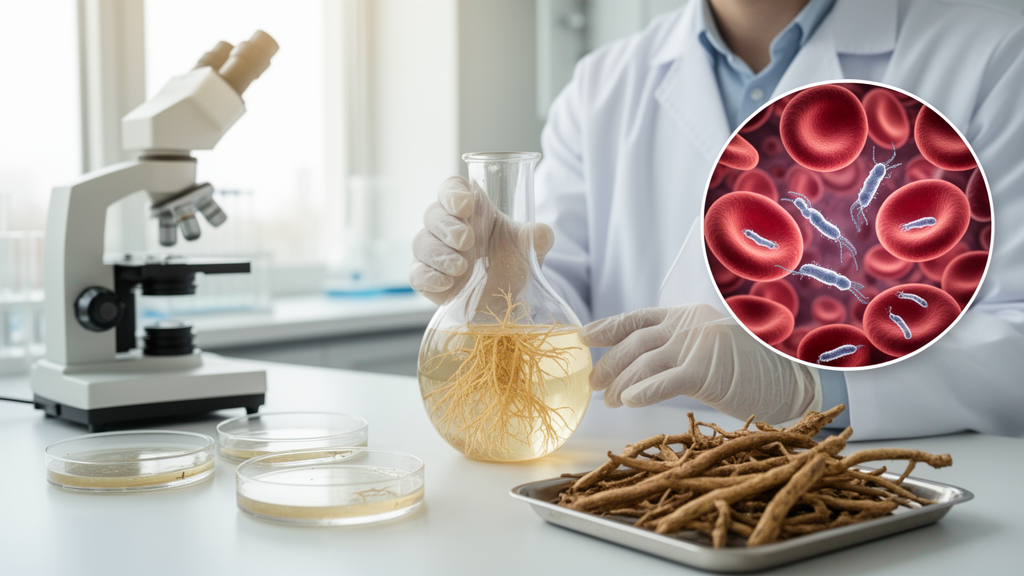
The research team, based at institutions in Cameroon, France and Germany, collected 7.6 kilograms of J. curcas roots in the Nord region of Cameroon in January 2021 and extracted them with ethanol. Using a bioassay-guided fractionation approach, they split the crude extract into four solvent fractions and found that the dichloromethane fraction was the most active, inhibiting the chloroquine-sensitive Pf3D7 strain and the multidrug-resistant PfDd2 strain with IC50 values of 17.44 and 12.12 micrograms per millilitre, respectively. The crude ethanolic extract itself showed moderate activity, with IC50 values of 21.87 and 24.82 micrograms per millilitre against the two strains.
Chromatographic purification of the active dichloromethane fraction yielded twelve known compounds, including diterpenes, an ellagic acid derivative and several steroids. When the researchers screened each isolate against the two parasite strains using a SYBR Green fluorescence assay, most compounds showed weak or no activity. But the two rhamnofolane diterpenoids stood out. Curcusone B inhibited Pf3D7 and PfDd2 with IC50 values of 0.67 and 1.10 micromolar, while curcusone C showed values of 0.63 and 1.24 micromolar. The activity of the two compounds was remarkably similar despite differences in their substituents, suggesting that the rhamnofolane skeleton itself may carry features important for parasite inhibition.
The selectivity of the two compounds was modest. In cytotoxicity tests on Vero cells, a non-transformed mammalian kidney cell line commonly used for early safety screening, curcusone B showed a 50% cytotoxic concentration of 1.83 micromolar and curcusone C one of 2.64 micromolar. This yields selectivity indices of only 2.73 and 1.66 against Pf3D7, and the authors note that further optimization of the therapeutic window will be required before these compounds could be considered for drug development.
To understand how the compounds act, the team carried out a stage-specific assay using highly synchronized Pf3D7 parasites. Parasites were exposed to the compounds for eight-hour windows covering five developmental stages: early rings, late rings, early trophozoites, late trophozoites and schizonts. Curcusone B was far less effective against early rings, with an IC50 of 9.75 micromolar, but showed strong inhibition of late rings and early trophozoites, with IC50 values of 0.54 and 0.49 micromolar, and moderate effects on late trophozoites and schizonts at 4.44 and 2.49 micromolar. Curcusone C showed essentially no activity against early rings at the concentrations tested, but inhibited late rings with an IC50 of 0.37 micromolar, early trophozoites at 1.06 micromolar, and schizonts at 0.83 micromolar. For curcusone B, the differences between early rings and the later stages reached statistical significance, while for curcusone C the differences between stages did not.
Speed-of-action experiments reinforced the picture of a slow-acting pharmacological profile. When asynchronous parasites were exposed to the compounds for 24, 48 and 72 hours, sensitivity increased markedly with longer exposure. After 24 hours, curcusone B and curcusone C showed IC50 values of 8.50 and 9.92 micromolar, but after 72 hours these improved to 1.11 and 1.66 micromolar, respectively. The difference between the 24-hour and longer exposures was statistically significant, whereas the 48-hour and 72-hour values were not significantly different from each other. Reference drugs behaved as expected in the same assay: dihydroartemisinin was rapidly effective at all time points, pyrimethamine showed an intermediate profile, and atovaquone was slow-acting.
Microscopic examination of Giemsa-stained blood smears supported these findings. Cultures treated with the curcusones showed weaker parasite staining and fewer developing forms within the first 6 to 12 hours, compared with untreated controls in which parasites progressed normally. By 30 hours, the treated groups were largely devoid of mature parasites, and at 48 hours the treated samples consisted mostly of uninfected erythrocytes. The authors interpret this as indicating a sustained inhibitory effect rather than a transient delay, with the compounds interfering with the transition from late rings into later trophozoite stages.
The study’s context is a persistent global health burden. According to the latest World Malaria Report cited by the authors, there were an estimated 282 million malaria cases and 610,000 deaths worldwide in 2024, with approximately 94% of cases and 95% of deaths concentrated in the WHO African Region. The emergence and geographic spread of antimalarial drug resistance, including partial artemisinin resistance in Southeast Asia, South America and East Africa, has intensified the search for compounds with new chemical scaffolds and mechanisms of action. Natural products have historically been productive sources of antimalarial drugs, with quinine and artemisinin as the paradigmatic examples, and roughly half of all FDA-approved drugs between 1981 and 2019 were derived directly or indirectly from natural products.
Jatropha curcas was selected for this work in part because of its documented traditional use against fever and malaria, including leaf preparations used in Cameroon, Cape Verde and Ghana, and because previous phytochemical studies had found antiplasmodial activity in crude extracts of its roots and stem bark. The roots are particularly rich in diterpenoids of several structural classes, including jatrophane, rhamnofolane and lathyrane diterpenes. The new study adds pharmacodynamic detail that earlier work on crude extracts could not provide, distinguishing which constituents are responsible for parasite inhibition and characterizing when during the parasite’s 48-hour asexual blood-stage cycle they act.
The authors are careful about the limits of their findings. The activity was assessed against only two laboratory parasite lines, and the multidrug-resistant Dd2 line should not be considered a validated artemisinin-resistant isolate, so the activity of the curcusones against parasites carrying clinically relevant artemisinin-resistance alleles remains unknown. Cytotoxicity testing was limited to a single mammalian cell line, and the study was conducted entirely in vitro, without evaluation of pharmacokinetics, metabolic stability, bioavailability or in vivo efficacy. The authors therefore conclude that curcusones B and C represent promising hit candidates and a useful starting point for further antimalarial research, with future work needed on medicinal chemistry, target validation, broader parasite testing, selectivity profiling and in vivo pharmacology before any claim of therapeutic potential can be made.
Subject of Research: Antiplasmodial diterpenoids isolated from Jatropha curcas roots and their stage-specific activity against Plasmodium falciparum in vitro
Article Title: Jatropha curcas-derived curcusones B and C inhibit Plasmodium falciparum with preferential activity against late-ring and early-trophozoite stages
Article References: Garba Abba, M. A., Tchatat Tali, M. B., Jumeta Dongmo, K. J., Ntieche, D. W., Fotsing Fongang, Y. S., Kezetas Bankeu, J. J., Boyom, F. F., Sewald, N., Ngouela, S. A., & Ndjakou Lenta, B. (2026). Jatropha curcas-derived curcusones B and C inhibit Plasmodium falciparum with preferential activity against late-ring and early-trophozoite stages. Frontiers in Malaria, 4, Article 1984399. https://doi.org/10.3389/fmala.2026.1984399
Image Credits: AI Generated
DOI: 10.3389/fmala.2026.1984399
Keywords: malaria, Plasmodium falciparum, Jatropha curcas, curcusone B, curcusone C, diterpenoids, natural products, drug discovery, stage-specific inhibition, drug resistance, in vitro screening, pharmacodynamics
News Source: Ophelia Keating. (October 28, 2026). Compounds from Jatropha curcas roots show potent, slow-acting activity against malaria parasites in the lab. Scienmag.