Community-based naloxone programs in New York State distributed more than 1.4 million naloxone kits and trained over 1 million people between 2016 and 2023, according to a descriptive analysis of data from the state’s Opioid Overdose Prevention Program. Over the same period, 18,690 naloxone administrations by community members were reported through the program’s electronic ordering and reporting system, with survival following those reversals remaining consistently high, ranging from 94.4 percent to 98.1 percent across the years.
The study, published in Harm Reduction Journal, drew on records collected by the New York State Department of Health from more than 1,300 organizations operating nearly 6,000 distribution sites statewide. The researchers examined trends in kit distribution and reported overdose reversals, along with demographic characteristics, settings, naloxone administration details and survival outcomes across the eight-year period.
Adults aged 25 to 44 accounted for 63 percent of the reported overdose reversals, while the proportion of reversals involving older adults increased over time. Males consistently made up the majority of reported reversals throughout the study years. Reported reversals among Black and Hispanic individuals also increased during the study period, a demographic shift the authors highlight in their analysis of who is being reached by bystander intervention.
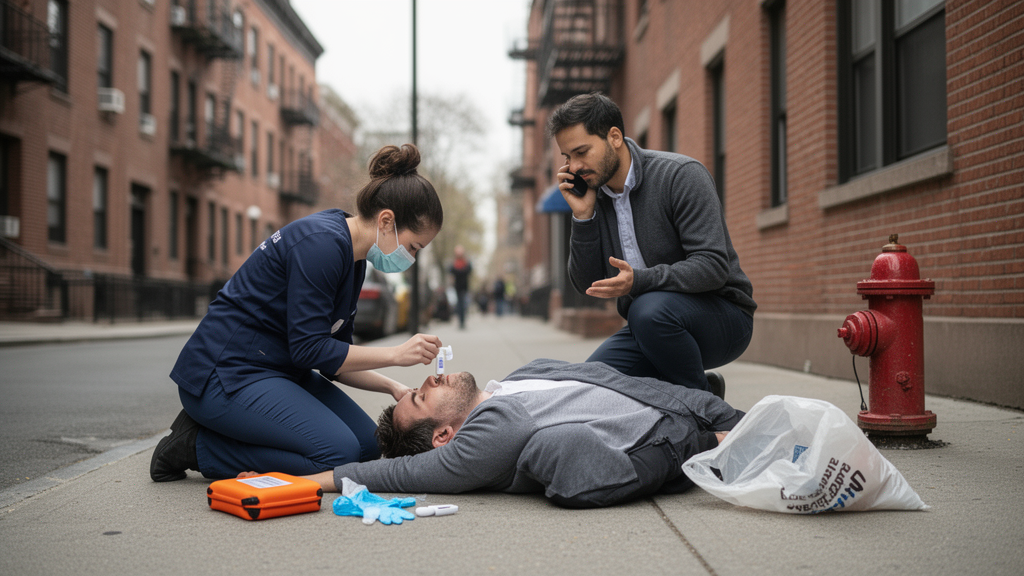
The data also recorded where reported reversals took place. Most reported community naloxone administrations occurred in private residences, at 53.5 percent, followed by supportive housing settings at 21 percent. The authors argue that this predominance of reversals in private settings reinforces the need for low-threshold naloxone access, peer-based distribution and culturally responsive overdose prevention strategies, since people who use drugs and their social networks are often the first responders in an overdose.
The formulation of naloxone used in community reversals also shifted markedly over the study window. By 2023, intranasal naloxone spray at a 4 mg dose had become the most widely used formulation, accounting for 74.1 percent of reported administrations. Two doses of naloxone were the most commonly administered amount within the community by the end of the period, reflecting the dosing patterns recorded in the reporting system.
The analysis is descriptive in nature, based on events reported through the state’s electronic ordering and reporting system, and the authors note that the data capture reported community administrations rather than a complete count of all overdose reversals in New York State. The findings therefore describe patterns among reported events and cannot by themselves establish causal effects of the distribution program on overdose mortality.
Nevertheless, the authors conclude that community-administered naloxone remains a cornerstone of overdose prevention in New York State, and that timely bystander intervention supported by decentralized distribution systems plays an important role in preventing overdose deaths. They point to continued investment in community overdose prevention infrastructure as essential to addressing the evolving overdose crisis, which the paper describes as a persistent public health emergency in the United States despite recent declines in overdose mortality.
The study’s recommendations center on expanding equitable naloxone access, strengthening peer-led distribution networks and supporting community-based harm reduction infrastructure, which the authors suggest may further improve overdose response capacity and reduce preventable overdose deaths.
Subject of Research: Trends in community naloxone distribution and reported overdose reversals in New York State from 2016 to 2023
Article Title: Community naloxone distribution and administration reporting through the New York State overdose prevention program, 2016–2023: trends, reach, and overdose reversals
Article References: George, N., Schady, E., Pashalishvili, M., Pourthaer, E., Bhatta, S., Rowe, K., & Stancliff, S. (2026). Community naloxone distribution and administration reporting through the New York State overdose prevention program, 2016–2023: trends, reach, and overdose reversals. Harm Reduction Journal. https://doi.org/10.1186/s12954-026-01539-2
Image Credits: AI Generated
DOI: 10.1186/s12954-026-01539-2
Keywords: naloxone, overdose prevention, harm reduction, New York State, opioid epidemic, community distribution, overdose reversal, public health, bystander intervention, harm reduction programs, Community, distribution
News Source: Glenn Wilkins. (October 28, 2026). Community naloxone reversals topped 18,000 in New York State over eight years. Scienmag.