• HOME
  • NEWS
  • EXPLORE
    • CAREER
      • Companies
      • Jobs
    • EVENTS
    • iGEM
      • News
      • Team
    • PHOTOS
    • VIDEO
    • WIKI
  • BLOG
  • COMMUNITY
    • FACEBOOK
    • INSTAGRAM
    • TWITTER
Wednesday, May 13, 2026
BIOENGINEER.ORG
No Result
View All Result
  • Login
  • HOME
  • NEWS
  • EXPLORE
    • CAREER
      • Companies
      • Jobs
        • Lecturer
        • PhD Studentship
        • Postdoc
        • Research Assistant
    • EVENTS
    • iGEM
      • News
      • Team
    • PHOTOS
    • VIDEO
    • WIKI
  • BLOG
  • COMMUNITY
    • FACEBOOK
    • INSTAGRAM
    • TWITTER
  • HOME
  • NEWS
  • EXPLORE
    • CAREER
      • Companies
      • Jobs
        • Lecturer
        • PhD Studentship
        • Postdoc
        • Research Assistant
    • EVENTS
    • iGEM
      • News
      • Team
    • PHOTOS
    • VIDEO
    • WIKI
  • BLOG
  • COMMUNITY
    • FACEBOOK
    • INSTAGRAM
    • TWITTER
No Result
View All Result
Bioengineer.org
No Result
View All Result
Home NEWS Science News Biology

Coastal pollution reduces genetic diversity of corals, reef resilience

Bioengineer by Bioengineer
April 2, 2020
in Biology
Reading Time: 2 mins read
0
IMAGE
Share on FacebookShare on TwitterShare on LinkedinShare on RedditShare on Telegram

IMAGE

Credit: Zac Forsman

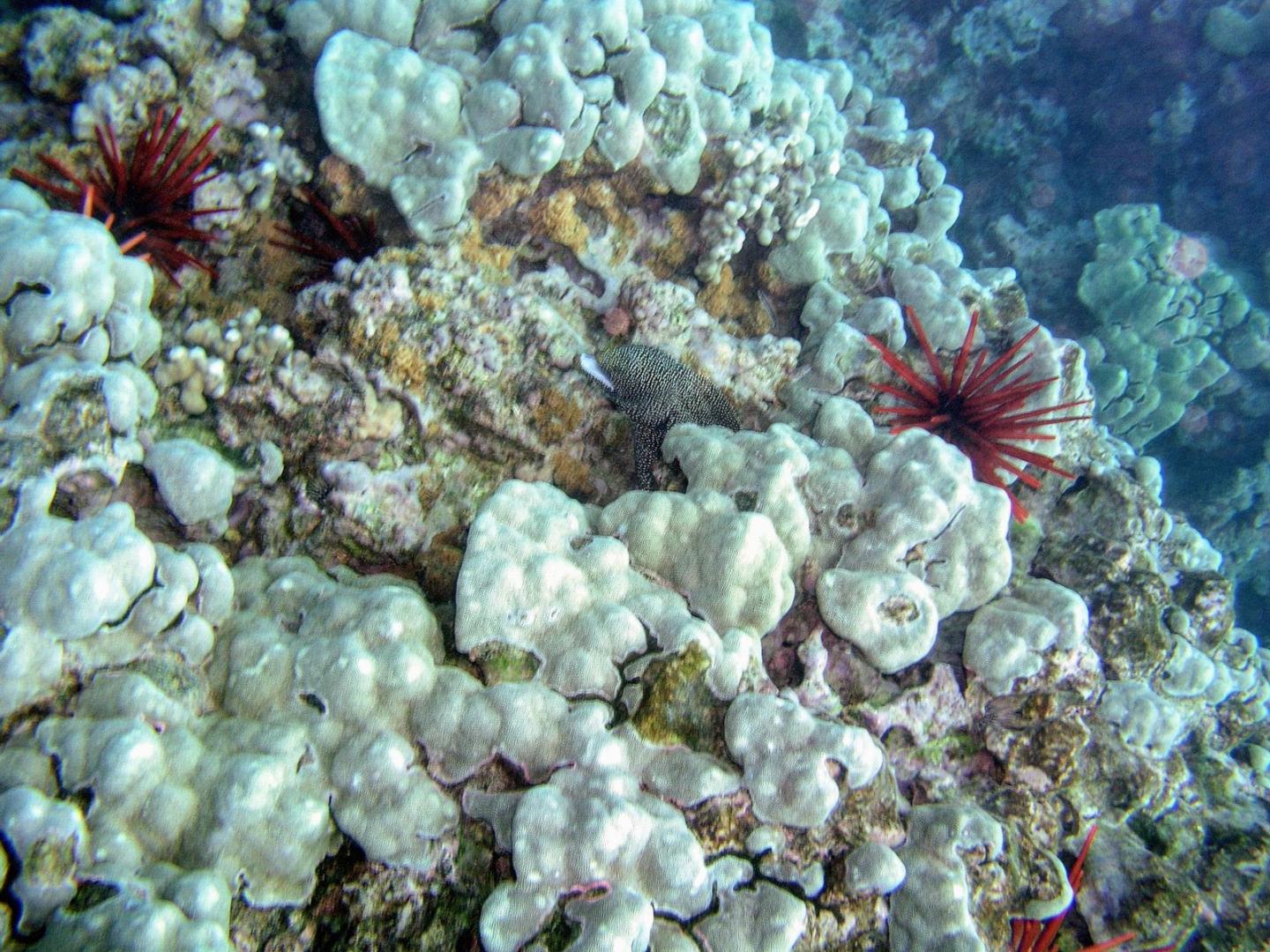
A new study by researchers at the University of Hawai’i at Mānoa School of Ocean and Earth Science and Technology (SOEST) found that human-induced environmental stressors have a large effect on the genetic composition of coral reef populations in Hawai’i. They confirmed that there is an ongoing loss of sensitive genotypes in nearshore coral populations due to stressors resulting from poor land-use practices and coastal pollution. This reduced genetic diversity compromises reef resilience. 

The study identified closer genetic relationships between nearshore corals in Maunalua Bay, Oahu and those from sites on West Maui, than to corals from the same islands, but further offshore. This pattern can be described as isolation by environment in contrast to isolation by distance. This is an adaptive response by the corals to watershed discharges that contain sediment and pollutants from land.

“While the results were not surprising, they clearly demonstrate the critical need to control local sources of stress immediately while concurrently addressing the root causes of global climate change,” said Robert Richmond, research professor and director of the Kewalo Marine Laboratory and co-author of the study. “Additionally, this innovative science shows the need to track biodiversity at multiple levels.”

This research provides valuable information to coral reef managers in Hawai’i and around the world who are developing approaches and implementation plans to enhance coral reef resilience and recovery through reef restoration and stressor reduction.

“This study shows the value of applying molecular tools to ecological studies supporting coral reef management,” stated Kaho Tisthammer, lead researcher on this paper.

While the loss of coral colonies and species is easy to see with the naked eye, molecular tools are needed to uncover the effects of stressors on the genetic diversity within coral reef populations.

###

This research, performed by Kaho Tisthammer, Rob Toonen, Zac Forsman and Robert Richmond, was a collaborative effort between researchers at SOEST’s Kewalo Marine Laboratory, Pacific Biosciences Research Center, and the Hawai’i Institute of Marine Biology.

Media Contact
Marcie Grabowski
[email protected]

Original Source

https://www.soest.hawaii.edu/soestwp/announce/news/coastal-pollution-reduces-genetic-diversity-of-corals-reef-resilience/

Related Journal Article

http://dx.doi.org/10.7717/peerj.8550

Tags: BiodiversityBiologyDevelopmental/Reproductive BiologyEcology/EnvironmentGeneticsMarine/Freshwater BiologyOceanographyPopulation BiologyToxicology
Share13Tweet8Share2ShareShareShare2

Related Posts

Cutting-Edge Genomic Techniques Reveal Unexpected Cellular Changes in the Aging Brain — Biology

Cutting-Edge Genomic Techniques Reveal Unexpected Cellular Changes in the Aging Brain

May 12, 2026
USC Researchers Initiate Study on the Most Advanced Lab-Grown Kidney Structures — Biology

USC Researchers Initiate Study on the Most Advanced Lab-Grown Kidney Structures

May 12, 2026

Childbirth in Humans Is Not Uniquely Challenging Among Mammals, New Research Shows

May 12, 2026

From Complexity to Clarity: Unraveling the “Topological Laws” Governing Cell Death

May 11, 2026
Please login to join discussion

POPULAR NEWS

  • Research Indicates Potential Connection Between Prenatal Medication Exposure and Elevated Autism Risk

    842 shares
    Share 337 Tweet 211
  • New Study Reveals Plants Can Detect the Sound of Rain

    728 shares
    Share 290 Tweet 182
  • Salmonella Haem Blocks Macrophages, Boosts Infection

    62 shares
    Share 25 Tweet 16
  • Breastmilk Balances E. coli and Beneficial Bacteria in Infant Gut Microbiomes

    57 shares
    Share 23 Tweet 14

About

We bring you the latest biotechnology news from best research centers and universities around the world. Check our website.

Follow us

Recent News

Enhancing Carbon Capture Efficiency Using Laser-Engineered MOFs!

E-cadherin Loss Drives Tumor Environment in Lobular Cancer

Endothelial SPARC Drives Astrocyte Damage in NMOSD

Subscribe to Blog via Email

Enter your email address to subscribe to this blog and receive notifications of new posts by email.

Join 82 other subscribers
  • Contact Us

Bioengineer.org © Copyright 2023 All Rights Reserved.

Welcome Back!

Login to your account below

Forgotten Password?

Retrieve your password

Please enter your username or email address to reset your password.

Log In
No Result
View All Result
  • Homepages
    • Home Page 1
    • Home Page 2
  • News
  • National
  • Business
  • Health
  • Lifestyle
  • Science

Bioengineer.org © Copyright 2023 All Rights Reserved.