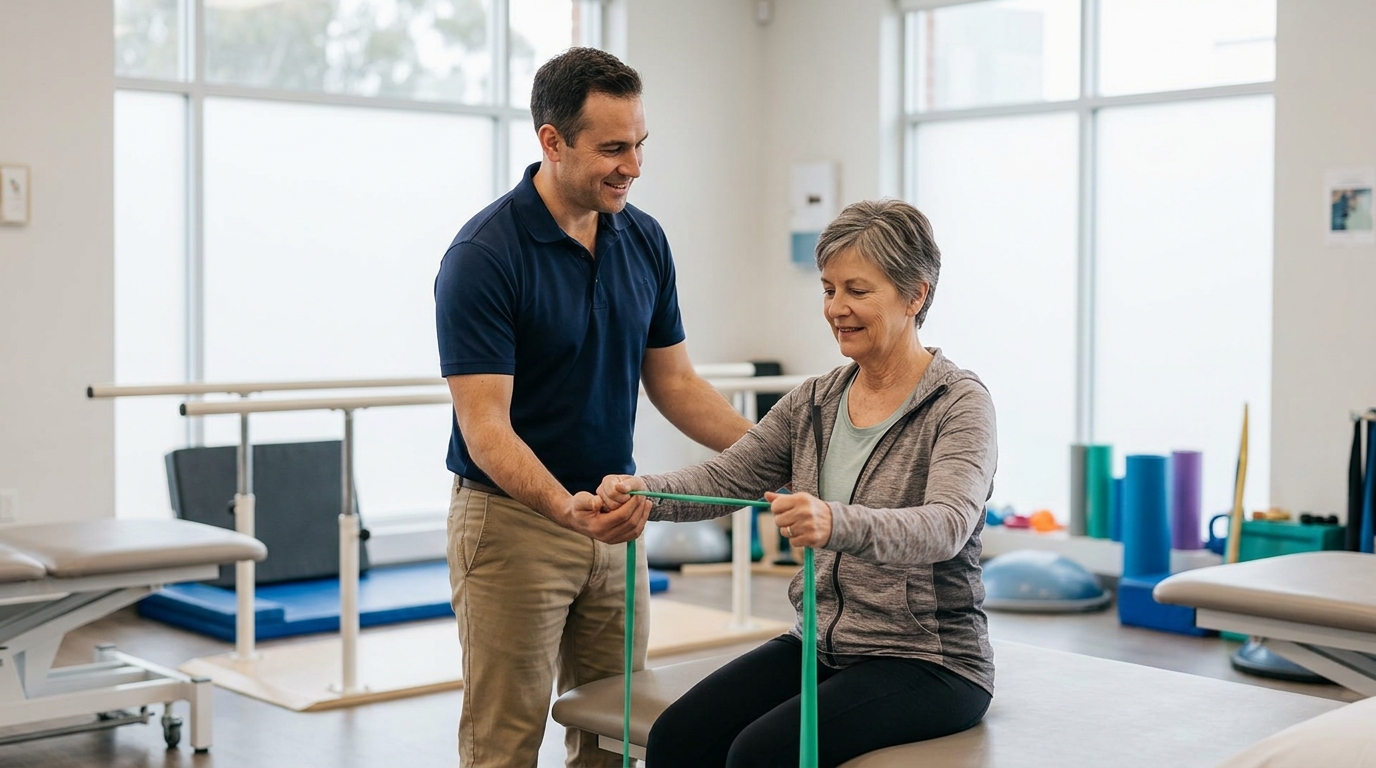
A collaborative initiative using experience-based co-design has produced new educational tools and a dissemination strategy to translate evidence-based exercise recommendations for individuals with bone metastases into routine practice. While people with bone metastases have historically been advised to limit physical activity because of concerns regarding skeletal complications, evidence-based recommendations established by the International Bone Metastases Exercise Working Group highlight the substantial benefits of regular exercise. To bridge the gap between these recommendations and clinical application, investigators partnered directly with key knowledge users to design supportive implementation materials.
The study engaged 29 knowledge users across Canada, comprising ten patients or caregivers, nine oncology healthcare providers, and ten community-based exercise professionals. The participating healthcare cohort included physicians, nurses, and allied health professionals, while the exercise professional group included physiotherapists, clinical exercise physiologists, and kinesiologists. Working through facilitated collaborative meetings, these stakeholders jointly identified priority resources and shaped the strategic direction for distributing evidence-based guidance.
Through the co-design process, participants prioritized and developed three distinct knowledge products: a standardized health information form, a patient education handout, and an educational webinar tailored for patients. To provide centralized access to these materials, the team established the Bone Metastases and Exercise Hub, hosted online at cancerexercise.med.ubc.ca/bmehub. The platform serves as the primary repository for the co-developed guidance resources.
Prior to the formal launch of the materials, external international survey respondents reviewed the patient handout and health information form, providing favorable ratings for their design, formatting, and informational content. Engagement satisfaction among the Canadian participants was systematically evaluated using the Public and Patient Engagement Evaluation Tool, with all knowledge users who completed the feedback assessment reporting satisfaction with their involvement in the co-design process.
The collaborative project also produced a dissemination framework that leverages diverse communication channels and formal partnerships with Canadian and international organizations. The authors concluded that meaningful partnership with patients, clinicians, and fitness professionals may improve the practical relevance, utility, and acceptability of guidance compared with traditional researcher-developed materials, while fostering greater clinician confidence to support safe physical exercise in people with bone metastases.
Subject of Research: Co-design of knowledge mobilization tools for exercise in people with bone metastases
Article Title: Advancing exercise recommendations for people with bone metastases: a collaborative approach to knowledge mobilization using experience-based co-design
Article References: Bland, K. A., Neil-Sztramko, S. E., Nadler, M. B., Chalmers, A., Dinardo, R., Alibhai, S. M. H., Capozzi, L. C., Copp, J., Dufresne, S. S., Gimenez, D. M., Lambert, L. K., Langelier, D. M., Lane, K. N., Mackenzie, K., McDonald, K., McNeely, M. L., Papadakos, J., Prestley, N., Simmons, C., & Campbell, K. L. (2026). Advancing exercise recommendations for people with bone metastases: a collaborative approach to knowledge mobilization using experience-based co-design. Supportive Care in Cancer, 34(11), Article 1188. https://doi.org/10.1007/s00520-026-11386-3
Image Credits: AI Generated
DOI: 10.1007/s00520-026-11386-3
Keywords: bone metastases, exercise oncology, experience-based co-design, knowledge mobilization, supportive care in cancer, patient education, cancer rehabilitation, Advancing, exercise, recommendations, people, bone
News Source: Nathaniel Bowman. (November 11, 2026). Co-Designed Resources Advance Safe Exercise Guidance for Patients With Bone Metastases. Scienmag.