• HOME
  • NEWS
  • EXPLORE
    • CAREER
      • Companies
      • Jobs
    • EVENTS
    • iGEM
      • News
      • Team
    • PHOTOS
    • VIDEO
    • WIKI
  • BLOG
  • COMMUNITY
    • FACEBOOK
    • INSTAGRAM
    • TWITTER
Wednesday, July 1, 2026
BIOENGINEER.ORG
No Result
View All Result
  • Login
  • HOME
  • NEWS
  • EXPLORE
    • CAREER
      • Companies
      • Jobs
        • Lecturer
        • PhD Studentship
        • Postdoc
        • Research Assistant
    • EVENTS
    • iGEM
      • News
      • Team
    • PHOTOS
    • VIDEO
    • WIKI
  • BLOG
  • COMMUNITY
    • FACEBOOK
    • INSTAGRAM
    • TWITTER
  • HOME
  • NEWS
  • EXPLORE
    • CAREER
      • Companies
      • Jobs
        • Lecturer
        • PhD Studentship
        • Postdoc
        • Research Assistant
    • EVENTS
    • iGEM
      • News
      • Team
    • PHOTOS
    • VIDEO
    • WIKI
  • BLOG
  • COMMUNITY
    • FACEBOOK
    • INSTAGRAM
    • TWITTER
No Result
View All Result
Bioengineer.org
No Result
View All Result
Home NEWS Science News Biology

Climate change could increase rice yields

Bioengineer by Bioengineer
September 2, 2020
in Biology
Reading Time: 3 mins read
0
IMAGE
Share on FacebookShare on TwitterShare on LinkedinShare on RedditShare on Telegram

IMAGE

Credit: Rachel Schutte

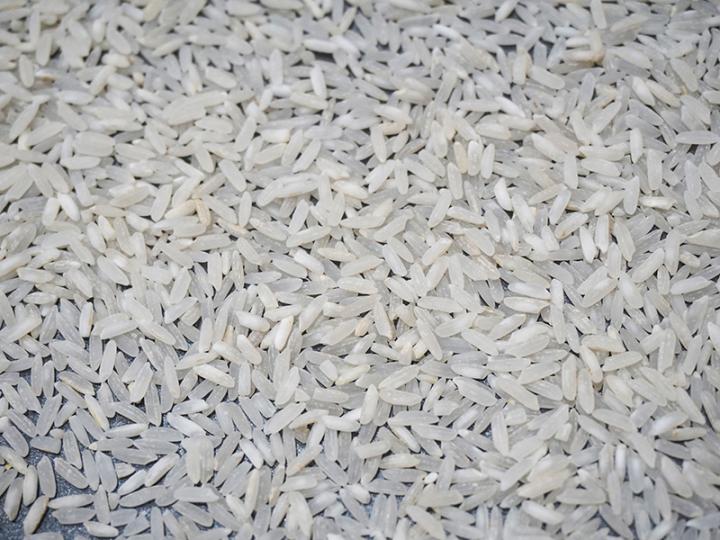
Rice is the most consumed staple food in the world. It is especially common in Asia, where hunger concerns are prevalent.

Rice is classified as an annual plant, which means it completes its life cycle within one growing season then dies. However, in some tropical areas, rice can continue to grow year after year when taken care of properly.

Just as grass grows back in a lawn after it is mowed, rice can be cut after it is harvested, and the plant will regrow. The farming practice of cutting the rice above ground and allowing it to regrow is called ratooning.

Although Rice ratooning allows farmers to harvest more rice from the same fields, it requires a longer growing season compared to traditional single-harvest rice farming.

In many areas of the world where rice is grown, a long growing season isn’t a problem due to the tropical climates. But in Japan, cooler weather means rice ratooning has been a rare farming practice.

Hiroshi Nakano and a research team set out to learn more about the potential of ratooning to help Japanese rice farmers. Nakano is a researcher at the National Agriculture and Food Research Organization.

Average temperatures in Japan have been higher in recent years. As climate change continues to affect the region, rice farmers may have a longer window for growing rice. “Rice seedlings will be able to be transplanted earlier in the spring, and farmers can harvest rice later into the year,” explains Nakano.

“The goal of our research is to determine the effects of harvest time and cutting height of the first harvest on the yield of the first and second rice crops,” says Nakano. “Ultimately, we want to propose new farming strategies to increase yield as farmers in southwestern Japan adjust to climate change.”

During the study on rice ratooning, researchers compared two harvest times and two cutting heights of the first crop. After the first harvest, they collected the seeds from the cut off portions of the rice plants. Researchers measured the yield by counting and weighing the seeds. The second harvest of rice was done by hand and the yield was determined in the same way.

The total grain yield and the yields from the first and second crops were different depending on the harvest times and cutting heights. This wasn’t too surprising, since the team already knew harvest time and height affected yield.

Rice plants harvested at the normal time for the first crop yielded more seed than the rice plants harvested earlier. “That’s because the plants had more time to fill their spikelets with seed,” explains Nakano.

“At both harvest times, rice harvested at the high cutting height had a higher yield than the low cutting height,” says Nakano. That’s because the plants cut at a higher height had access to more energy and nutrients stored in their leaves and stems.

“Our results suggest that combining the normal harvest time with the high cutting height is important for increasing yield in rice ratooning in southwestern Japan and similar climate regions,” says Nakano. “This technology will likely increase rice grain yield in new environments that arise through global climate change.”

###

Learn more about this research in Agronomy Journal. This work was supported by the National Agriculture and Food Research Organization (NARO).

Media Contact
Rachel Schutte
[email protected]

Related Journal Article

http://dx.doi.org/10.1002/agj2.20309

Tags: Agricultural Production/EconomicsAgricultureBiologyClimate ChangeEarth ScienceNutrition/NutrientsPlant SciencesResearch/Development
Share12Tweet8Share2ShareShareShare2

Related Posts

KAIST Creates AI That Interprets Animal Behavior as a Language — Biology

KAIST Creates AI That Interprets Animal Behavior as a Language

July 1, 2026
New Study Uncovers 3D Genome Organization During Germ Cell Formation Across Evolutionary Time — Biology

New Study Uncovers 3D Genome Organization During Germ Cell Formation Across Evolutionary Time

July 1, 2026

Promising New HIV Vaccine Shows Remarkable Success in Primate Trials

July 1, 2026

UMaine Researchers Discover Woodcocks Charge Deer to Protect Their Nests

June 30, 2026
Please login to join discussion

POPULAR NEWS

  • Detection of EDCs in Breast Milk and Infant Urine Up to Six Months Highlights Early Exposure Risks

    77 shares
    Share 31 Tweet 19
  • Saying Goodbye to PGY-6: Pediatric Fellowship Realities

    103 shares
    Share 41 Tweet 26
  • New Drug Candidate Developed at McMaster Shows Potential for Treating Brain Cancer

    58 shares
    Share 23 Tweet 15
  • KTU Researchers Explore Ultrasound’s Role in Enhancing Blood Flow Beyond Diagnostics

    53 shares
    Share 21 Tweet 13

About

We bring you the latest biotechnology news from best research centers and universities around the world. Check our website.

Follow us

Recent News

New Study Identifies Spring Break as the Most Hazardous Period for Holiday Travel in Florida

Persistent Back Pain? Major Clinical Trial Highlights the Effectiveness of Self-Management Strategies

High-Dose IV Vitamin C Reduces Mortality and Sepsis Risk in Trauma Patients

Subscribe to Blog via Email

Enter your email address to subscribe to this blog and receive notifications of new posts by email.

Join 82 other subscribers
  • Contact Us

Bioengineer.org © Copyright 2023 All Rights Reserved.

Welcome Back!

Login to your account below

Forgotten Password?

Retrieve your password

Please enter your username or email address to reset your password.

Log In
No Result
View All Result
  • Homepages
    • Home Page 1
    • Home Page 2
  • News
  • National
  • Business
  • Health
  • Lifestyle
  • Science

Bioengineer.org © Copyright 2023 All Rights Reserved.