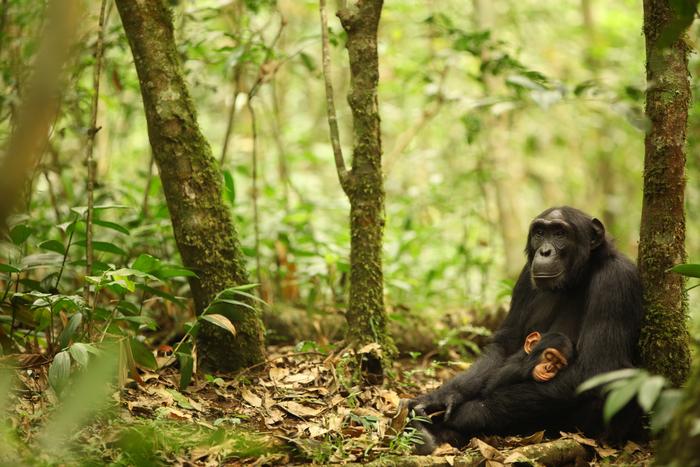
Chimpanzees, our closest evolutionary relatives, possess an extraordinary capability to adapt genetically to their unique environmental conditions. A novel study conducted by a team of international researchers led by scientists from University College London (UCL) reveals critical insights into how these remarkable primates have evolved to inhabit varied landscapes across Africa. Analyzing the genetic adaptations that aid their survival, this research suggests that these adaptations not only inform us about the evolutionary trajectory of chimpanzees but also offer valuable perspectives for understanding malaria’s impact on humans.
Significantly, chimpanzees share over 98% of their DNA with humans, marking them as crucial subjects for studying evolutionary biology and disease resistance. The findings of this comprehensive investigation, which has recently appeared in the esteemed journal Science, open new avenues in the understanding of how genetic diversity can confer advantages against environmental changes and disease threats, particularly malaria, which remains a pressing challenge for both wild chimpanzees and humans.
Individuals belonging to diverse chimpanzee groups across Africa have demonstrated distinct genetic adaptations associated with their habitats, highlighting their resilience in the face of environmental diversity. While other primates predominantly inhabit forested regions, chimpanzees have successfully adapted to live in various settings, including open woodlands and savannahs, thereby showcasing their unique evolutionary versatility. This adaptability is crucial, especially considering that chimpanzees are currently listed as endangered due to human activities leading to habitat loss, poaching, and the spread of infectious diseases.
The lead author of the study, Professor Aida Andrés of the UCL Genetics Institute, emphasizes the necessity of understanding these genetic adaptations to ensure not only the survival of chimpanzee populations but also their ability to withstand environmental changes. By examining the genetic information of 828 wild chimpanzees belonging to 30 different populations, the researchers used cutting-edge genomic techniques to unravel the ways in which genetic variations relate to the specific challenges faced by each group in their distinct habitats.
The study’s methodology involved the collection and analysis of faecal samples under the Pan African Programme: The Cultured Chimpanzee (PanAf). This innovative approach allowed the research team to gather genetic data without directly disturbing the elusive wild populations, thereby preserving their natural behaviors and environments. The application of advanced laboratory techniques facilitated the identification of exonic variants linked to pathogen resistance, shedding light on how these genetic traits have evolved in response to local environmental pressures.
Among the significant findings, the researchers observed notable evidence of genetic adaptation in relation to certain pathogens, with a pronounced focus on malaria. The study revealed genetic variants that were significantly more prevalent in chimpanzees residing in pathogen-rich forested areas, indicating that malaria may impose a considerable health threat to these populations. In particular, the genes GYPA and HBB, known for their relevance to malaria resistance in humans, emerged as critical factors in chimpanzee adaptation.
These insights not only underline the evolutionary parallels between chimpanzees and humans but also indicate the potential implications for human health. The close genetic relationship poses vital questions about the interspecies transmission of diseases, including malaria and the HIV virus, and highlights the importance of studying wild chimpanzee populations to develop effective prevention strategies or treatments for these diseases that pose a risk to human populations.
Moreover, the research suggests that chimpanzees living in savannah environments have undergone their unique adaptive changes to cope with the distinctive challenges of reduced rainfall, higher temperatures, and limited food resources. The ability to survive and thrive in these contrasting environments provides a fascinating glimpse into how human ancestors might have navigated similar challenges millions of years ago when transitioning from forested to savannah habitats.
Another significant aspect of the study involves the broader implications for conservation efforts aimed at preserving the genetic diversity of chimpanzee populations. As rapid environmental changes intensify due to climate change and human encroachment, the need to protect the genetic variations within these fragile populations becomes crucial for ensuring their resilience. The conservation of genetic resources is vital to the long-term survival of chimpanzees, as maintaining a robust gene pool can facilitate adaptive responses to changing ecological conditions.
The collaborative nature of this research underscores the global commitment to understanding primate conservation and genetic adaptation. With contributions from institutions across Africa, Europe, and North America, the success of this study highlights the significance of interdisciplinary cooperation in addressing complex biological challenges. Researchers involved in the study call upon the scientific community and the general public to engage with their findings and support conservation initiatives aimed at safeguarding the future of chimpanzees and their habitats.
Opportunities for the public to participate in this research extend to community science projects like ChimpandSee.org, which invites volunteers to assist in annotating videos of chimpanzees. Such collaborative efforts not only foster greater awareness about chimpanzees and their conservation challenges but also promote community involvement in scientific endeavors to contribute to the understanding and preservation of these remarkable creatures.
In summary, the findings of this groundbreaking study illuminate how chimpanzees have adapted genetically to thrive in diverse habitats and confront emerging threats such as malaria. The research serves as a poignant reminder of the intricate connections between species and their environments, urging concerted efforts to protect the genetic diversity that is essential for the survival of both chimpanzees and humans in an ever-changing world.
Subject of Research: Genetic adaptation of chimpanzees to different habitats
Article Title: Local genetic adaptation to habitat in wild chimpanzees
News Publication Date: 10-Jan-2025
Web References: DOI
References:
Image Credits: Kevin Langergraber: The Ngogo Chimpanzee Project
Keywords: Genetic adaptation, Chimpanzee, Evolutionary genetics, Malaria, Conservation, Environmental change, Habitat diversity, Primate research, Public engagement, Genetic diversity, Wild populations, Community science.