

• HOME
  • NEWS
  • EXPLORE
    • CAREER
      • Companies
      • Jobs
    • EVENTS
    • iGEM
      • News
      • Team
    • PHOTOS
    • VIDEO
    • WIKI
  • BLOG
  • COMMUNITY
    • FACEBOOK
    • INSTAGRAM
    • TWITTER
Wednesday, May 13, 2026
BIOENGINEER.ORG
No Result
View All Result
  • Login
  • HOME
  • NEWS
  • EXPLORE
    • CAREER
      • Companies
      • Jobs
        • Lecturer
        • PhD Studentship
        • Postdoc
        • Research Assistant
    • EVENTS
    • iGEM
      • News
      • Team
    • PHOTOS
    • VIDEO
    • WIKI
  • BLOG
  • COMMUNITY
    • FACEBOOK
    • INSTAGRAM
    • TWITTER
  • HOME
  • NEWS
  • EXPLORE
    • CAREER
      • Companies
      • Jobs
        • Lecturer
        • PhD Studentship
        • Postdoc
        • Research Assistant
    • EVENTS
    • iGEM
      • News
      • Team
    • PHOTOS
    • VIDEO
    • WIKI
  • BLOG
  • COMMUNITY
    • FACEBOOK
    • INSTAGRAM
    • TWITTER
No Result
View All Result
Bioengineer.org
No Result
View All Result
Home NEWS Science News Health

Cellular stress causes cancer cell chemoresistance

Bioengineer by Bioengineer
June 10, 2020
in Health
Reading Time: 2 mins read
0
IMAGE
Share on FacebookShare on TwitterShare on LinkedinShare on RedditShare on Telegram

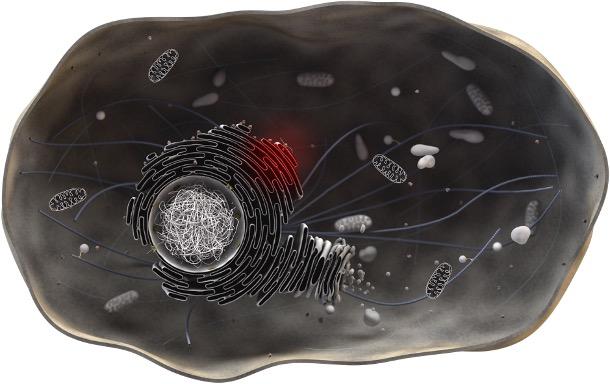
Postgenomic technologies reveal new mechanism of stress-induced chemoresistance
IMAGE

Credit: © Robert Ahrends

There is a broad range of mechanisms associated with chemoresistance, many of which to date are only poorly understood. The so-called cellular stress response – a set of genetic programmes that enable the cells to survive under stressful conditions – plays a key role in the development of numerous diseases and in chemoresistance. A better understanding of the cellular stress response pathways is therefore urgently required to develop new therapeutic concepts to overcome chemoresistance. “In this context, we employed comprehensive analytical approaches to gain deep and molecular insight into the Unfolded Protein Response, a cellular stress reaction induced by unfolded proteins”, says Robert Ahrends, group leader at the Department of Analytical Chemistry of the Faculty of Chemistry.

Unfolded proteins cause stress and disease

The Unfolded Protein Response (UPR) contributes to cancer development and progression and plays an important role in diseases such as diabetes and neurodegenerative disorders. For their study of the UPR’s molecular biological characteristics, the researchers applied state-to-art analytical tools in the context of a multiomics approach, combining large datasets from genetics, proteomics and metabolomics. This allowed them to define the Unfolded Protein Response regulon, a comprehensive list of genes that are activated to promote cell survival under stress.

“Besides the previously known factors, we identified to our surprise numerous genes that have not previously been implicated in stress response pathways”, explain the researchers, “and many of them have key functions in cancer development and cellular metabolism.”

Changes in 1C metabolism

Changes in cellular metabolism are characteristic of many cancer types and promote a rapid tumour growth, as Nobel Prize winner Otto Warburg demonstrated already in the 1930s in his ground-breaking work. In their study, the researchers discovered stress-mediated genetic regulation of enzymes involved in one-carbon (1C) metabolism which relies on the vitamin folate as a cofactor. Concomitant to the metabolic re-wiring, the stressed cells became fully resistant against chemotherapeutic agents, which target this specific metabolic pathway. This includes Methotrexate, a drug commonly employed in the treatment of cancer and rheumatic diseases. Detailed biochemical and genetic investigations revealed that resistance is driven by a previously unrecognized mechanism. According to the study authors, its precise molecular characterisation might lead to novel therapeutic concepts aimed at overcoming chemoresistance in cancer therapy.

###

Publikation in Nature Communications:

Reich S, Nguyen CDL, Has C, Steltgens S, Soni H, Coman C, Freyberg M, Bichler A, Seifert N, Conrad D, Knobbe-Thomsen CB, Tews B, Toedt G, Ahrends R,* und Medenbach J*: A multi-omics analysis reveals the Unfolded Protein Response regulon and a role of eIF2-phosphorylation in resistance to folate-based anti-metabolites. DOI:10.1038/s41467-020-16747-y

Media Contact
Robert Ahrends
[email protected]

Related Journal Article

http://dx.doi.org/10.1038/s41467-020-16747-y

Tags: BiochemistrycancerCell BiologyMedicine/HealthPharmaceutical/Combinatorial Chemistry
Share12Tweet8Share2ShareShareShare2

Related Posts

Endothelial SPARC Drives Astrocyte Damage in NMOSD

May 13, 2026
Postmenopausal Women Face Increased Mortality Risk from Osteoporosis, New Research Shows — Medicine

Postmenopausal Women Face Increased Mortality Risk from Osteoporosis, New Research Shows

May 13, 2026

AI Predicts Hospital Admissions from Emergency Departments

May 13, 2026

Anti-Nogo-A Treatment Alters Spinal Cord Structure Post-Injury

May 13, 2026
Please login to join discussion

POPULAR NEWS

  • Research Indicates Potential Connection Between Prenatal Medication Exposure and Elevated Autism Risk

    842 shares
    Share 337 Tweet 211
  • New Study Reveals Plants Can Detect the Sound of Rain

    728 shares
    Share 290 Tweet 182
  • Salmonella Haem Blocks Macrophages, Boosts Infection

    62 shares
    Share 25 Tweet 16
  • Breastmilk Balances E. coli and Beneficial Bacteria in Infant Gut Microbiomes

    57 shares
    Share 23 Tweet 14

About

We bring you the latest biotechnology news from best research centers and universities around the world. Check our website.

Follow us

Recent News

Endothelial SPARC Drives Astrocyte Damage in NMOSD

Postmenopausal Women Face Increased Mortality Risk from Osteoporosis, New Research Shows

AI Predicts Hospital Admissions from Emergency Departments

Subscribe to Blog via Email

Enter your email address to subscribe to this blog and receive notifications of new posts by email.

Join 82 other subscribers
  • Contact Us

Bioengineer.org © Copyright 2023 All Rights Reserved.

Welcome Back!

Login to your account below

Forgotten Password?

Retrieve your password

Please enter your username or email address to reset your password.

Log In
No Result
View All Result
  • Homepages
    • Home Page 1
    • Home Page 2
  • News
  • National
  • Business
  • Health
  • Lifestyle
  • Science

Bioengineer.org © Copyright 2023 All Rights Reserved.

