• HOME
  • NEWS
  • EXPLORE
    • CAREER
      • Companies
      • Jobs
    • EVENTS
    • iGEM
      • News
      • Team
    • PHOTOS
    • VIDEO
    • WIKI
  • BLOG
  • COMMUNITY
    • FACEBOOK
    • INSTAGRAM
    • TWITTER
Thursday, October 22, 2026
BIOENGINEER.ORG
No Result
View All Result
  • Login
  • HOME
  • NEWS
  • EXPLORE
    • CAREER
      • Companies
      • Jobs
        • Lecturer
        • PhD Studentship
        • Postdoc
        • Research Assistant
    • EVENTS
    • iGEM
      • News
      • Team
    • PHOTOS
    • VIDEO
    • WIKI
  • BLOG
  • COMMUNITY
    • FACEBOOK
    • INSTAGRAM
    • TWITTER
No Result
View All Result
Bioengineer.org
No Result
View All Result
Home NEWS Science News Health

Cell study links resveratrol glucoside to mitochondrial and chromatin changes in senescence

by
October 22, 2026
in Health
Reading Time: 2 mins read
0
Cell study links resveratrol glucoside to mitochondrial and chromatin changes in senescence

Cell study links resveratrol glucoside to mitochondrial and chromatin changes in senescence

Share on FacebookShare on TwitterShare on LinkedinShare on RedditShare on Telegram

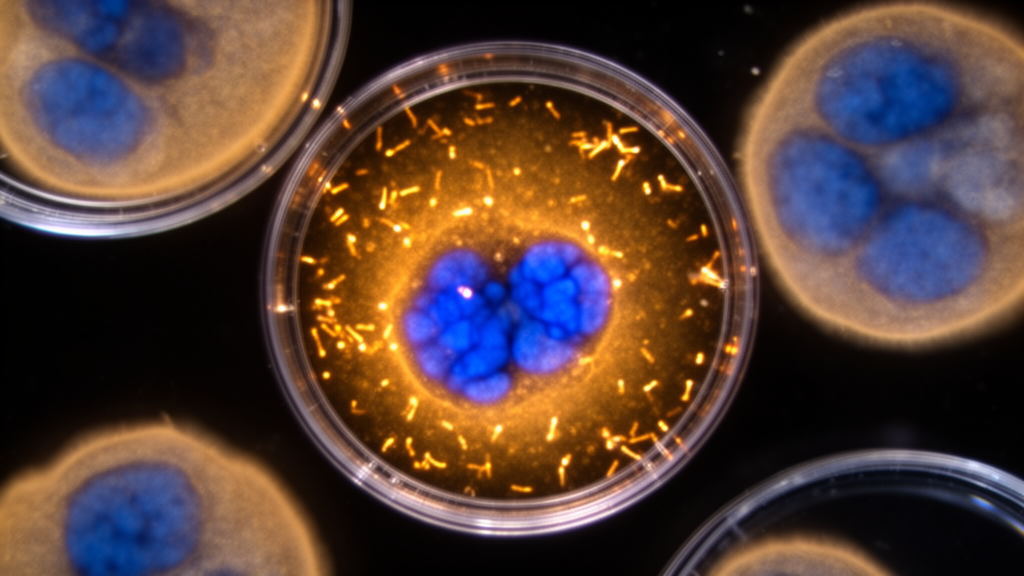
A cell-culture study found that resveratrol glucoside, a glucosylated derivative of resveratrol, reduced multiple senescence-associated cellular phenotypes while producing less cytotoxicity than resveratrol at the tested concentrations. The compound increased oxidative phosphorylation, reduced glycolytic dependence, increased the NAD+-dependent deacetylase SIRT6 and lowered acetylation of histone H3 at lysine 9, linking its observed effects across mitochondrial function and chromatin regulation.

Researchers investigated resveratrol glucoside, abbreviated R-glc, using in-vitro models of cellular senescence. The work focused on the mitochondria–chromatin axis, the coordinated relationship between mitochondria and the regulation of chromatin structure that the study identifies as a central feature of senescence. R-glc attenuated several senescence-associated phenotypes at low concentrations. In contrast, the parent compound resveratrol showed dose-dependent cytotoxicity, a limitation that has constrained its clinical utility. The comparison indicates a more favorable cytotoxicity profile for R-glc within the laboratory systems tested; it does not establish safety in people.

At the mitochondrial level, R-glc enhanced oxidative phosphorylation and reduced the cells’ dependence on glycolysis. The researchers therefore observed changes in both components of cellular energy metabolism, rather than only a reduction in a single senescence marker. The supplied study report does not provide the exact cell models, concentrations, quantitative measurements or statistical details needed to assess the magnitude or reproducibility of these effects. Accordingly, the findings demonstrate altered mitochondrial function in vitro without showing that R-glc can reverse aging, prevent age-related disease or improve health in an organism.

R-glc also upregulated SIRT6, an NAD+-dependent deacetylase associated with epigenetic regulation, and decreased H3K9 acetylation, a modification of histone H3 at lysine 9. The investigators interpreted the combination as indicating improved chromatin stability. Taken together, the mitochondrial and chromatin measurements support coordinated regulation of the two systems rather than an effect confined to one pathway. The authors described R-glc as a functionally effective modulator of the mitochondria–chromatin axis with potential relevance to age-related functional decline, but that clinical potential remains unproven because the reported evidence comes from in-vitro research rather than human studies.

Subject of Research: In-vitro effects of resveratrol glucoside on mitochondrial function, chromatin regulation, and cellular senescence

Article Title: Resveratroloside alleviates senescence-associated phenotypes in vitro through the coordinated regulation of mitochondrial function and chromatin structure

Article References: Yoon, J. H., Kim, Y. H., Kim, D., Jeong, E. Y., Lee, S. H., Kim, H. Y., Park, J. H., So, M. K., Lee, Y. J., Kim, M., Song, J., Lim, S., Byun, Y., Shin, S. S., & Park, J. T. (2026). Resveratroloside alleviates senescence-associated phenotypes in vitro through the coordinated regulation of mitochondrial function and chromatin structure. Biogerontology, 27(6), Article 185. https://doi.org/10.1007/s10522-026-10532-y

Image Credits: AI Generated

DOI: 10.1007/s10522-026-10532-y

Keywords: cellular senescence, resveratrol glucoside, mitochondrial function, chromatin regulation, SIRT6, histone acetylation, oxidative phosphorylation, in-vitro research, cell aging, Resveratroloside, alleviates, senescence-associated

News Source: Beatrice Stafford. (October 22, 2026). Cell study links resveratrol glucoside to mitochondrial and chromatin changes in senescence. Scienmag.


Tags: alleviatescell agingCellular Senescencechromatin regulationhistone acetylationin vitro researchmitochondrial functionoxidative phosphorylationresveratrol glucosideResveratrolosidesenescence-associatedSIRT6
Share12Tweet7Share2ShareShareShare1

Related Posts

Intranasal creatine prodrug shows early brain activity in phase 1 trial

Intranasal creatine prodrug shows early brain activity in phase 1 trial

October 22, 2026
Pediatric suspected myocarditis linked to 40% mortality in Pakistan cohort

Pediatric suspected myocarditis linked to 40% mortality in Pakistan cohort

October 22, 2026

TSPO-PET tracks phagocytic microglia in frontotemporal dementia

October 22, 2026

MRI radiomics predicts microvascular invasion in small hepatocellular carcinoma

October 22, 2026

POPULAR NEWS

  • Intranasal creatine prodrug shows early brain activity in phase 1 trial

    Intranasal creatine prodrug shows early brain activity in phase 1 trial

    29 shares
    Share 12 Tweet 7
  • Genome Study Maps Polygenic Coastal Adaptation in Song Sparrows

    29 shares
    Share 12 Tweet 7
  • Thicker titanium gyroids show stronger static response without direct porosity–fatigue link

    29 shares
    Share 12 Tweet 7
  • Pediatric suspected myocarditis linked to 40% mortality in Pakistan cohort

    29 shares
    Share 12 Tweet 7

About

We bring you the latest biotechnology news from best research centers and universities around the world. Check our website.

Follow us

Recent News

Intranasal creatine prodrug shows early brain activity in phase 1 trial

Genome Study Maps Polygenic Coastal Adaptation in Song Sparrows

Thicker titanium gyroids show stronger static response without direct porosity–fatigue link

Subscribe to Blog via Email

Enter your email address to subscribe to this blog and receive notifications of new posts by email.

Join 85 other subscribers
  • Contact Us

Bioengineer.org © Copyright 2023 All Rights Reserved.

Welcome Back!

Login to your account below

Forgotten Password?

Retrieve your password

Please enter your username or email address to reset your password.

Log In
No Result
View All Result
  • Homepages
    • Home Page 1
    • Home Page 2
  • News
  • National
  • Business
  • Health
  • Lifestyle
  • Science

Bioengineer.org © Copyright 2023 All Rights Reserved.