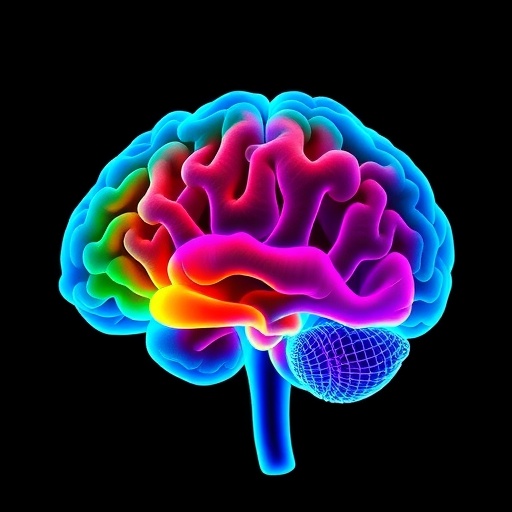
Researchers at The City College of New York have unveiled groundbreaking insights into the molecular aftermath of chemotherapy, shedding light on the persistent cognitive impairments often reported by cancer survivors. This pioneering study, recently published in the prestigious journal Scientific Reports, elucidates how commonly administered chemotherapy drugs induce lasting epigenetic changes in the brain, specifically within the prefrontal cortex, a critical region involved in decision-making, executive function, and complex cognition.
The investigative team, led in part by Professor Karen Hubbard from CCNY’s Division of Science, utilized a female rat model to probe the enigmatic effects of chemotherapy beyond its well-known cytotoxic impact on cancer cells. What they discovered disrupts traditional notions of chemotherapy’s scope of influence: the treatment does not merely attack malignant cells but also profoundly alters gene regulatory mechanisms in the brain, especially through modifications of DNA methylation patterns.
.adsslot_KNuMLC3ETo{ width:728px !important; height:90px !important; }
@media (max-width:1199px) { .adsslot_KNuMLC3ETo{ width:468px !important; height:60px !important; } }
@media (max-width:767px) { .adsslot_KNuMLC3ETo{ width:320px !important; height:50px !important; } }
ADVERTISEMENT
The researchers administered a standard chemotherapy regimen combining doxorubicin and cyclophosphamide to female rats, simulating clinical protocols commonly used in breast cancer treatment. Their molecular analyses revealed a significant upregulation of DNMT3a, a DNA methyltransferase responsible for establishing new methylation patterns during development and in response to environmental stimuli. Elevated DNMT3a activity consequently led to altered DNA methylation landscapes in the prefrontal cortex, implicating a hitherto underappreciated epigenetic basis for chemotherapy-induced cognitive impairments.
Such epigenomic remodeling in neuronal tissues is particularly concerning given the prefrontal cortex’s essential role in higher-order cognitive tasks such as working memory, cognitive flexibility, and decision-making. By mapping these methylation changes, the study provides a compelling biological rationale for the persistent cognitive dysfunction many cancer survivors endure, sometimes months or years after completing chemotherapy treatment.
Importantly, these revelations usher in promising avenues for therapeutic intervention. If chemotherapy triggers maladaptive DNA methylation, then epigenetic modulating agents could serve as targeted treatments to mitigate or reverse cognitive side effects. Compounds such as DNMT inhibitors or histone deacetylase (HDAC) inhibitors, which modify the epigenetic landscape, might be repurposed or refined to protect vulnerable patients from chemotherapy-associated neurotoxicity.
Dr. Hubbard emphasized that these findings mark only the beginning of a broader exploration into the molecular crosstalk induced by chemotherapy. Her team is currently delving deeper into the role of RNA-binding proteins, which have emerged as key regulators of neuronal gene expression and aging. By investigating how these proteins behave in both the prefrontal cortex and hippocampus—regions integral to memory and cognition—researchers aim to map the full spectrum of epigenetic and post-transcriptional perturbations prompted by chemotherapy.
This integrated approach is crucial because cognitive decline following cancer treatment is multifactorial, influenced not just by DNA methylation but also by RNA stability, protein translation, and synaptic plasticity. Deciphering how chemotherapy disturbs these interconnected pathways will pave the way toward precision medicine strategies that safeguard brain health without compromising anticancer efficacy.
The clinical implications of this research are profound. By identifying molecular biomarkers such as DNMT3a expression changes, healthcare providers could forecast which patients are at greatest risk for enduring cognitive deficits. This predictive capacity could inform treatment planning, patient counseling, and early intervention measures. Moreover, embracing epigenetic therapeutics holds the tantalizing prospect of restoring cognitive function in survivors, enhancing their quality of life and long-term prognosis.
This study’s rigorous methodology, combining behavioral assessments with detailed molecular epigenetics, exemplifies the power of translational research. The use of animal models enables controlled experimentation impossible in human subjects, while offering insights directly translatable to clinical contexts. The findings stand as a testament to the necessity of interdisciplinary collaboration among oncologists, neuroscientists, molecular biologists, and pharmacologists.
Co-authors contributing to this innovative work hail from diverse institutions including the Feinstein Institute of Medical Research, CUNY School of Medicine, and Memorial Sloan Kettering Cancer Center, underscoring the research’s broad relevance and collaborative spirit. Their collective efforts represent a beacon of hope for cancer survivors confronting the vexing challenge of chemotherapy-associated cognitive impairment.
Ultimately, as cancer survival rates improve, addressing the long-term neurological and cognitive sequelae of treatment becomes imperative. This study opens fresh vistas in understanding how epigenetic mechanisms mediate these effects, heralding a new era of targeted, molecularly informed therapies to combat “chemo brain.” The legacy of this research may well be a future where cancer treatment no longer exacts a heavy toll on survivors’ cognitive health.
Subject of Research: Animals
Article Title: Chemotherapy treatment alters DNA methylation patterns in the prefrontal cortex of female rat brain
News Publication Date: 1-Jul-2025
Web References:
Original Study – Scientific Reports
Keywords: Chemotherapy, DNA methylation, DNMT3a, epigenetics, prefrontal cortex, cognitive impairment, chemo brain, cancer survivors, doxorubicin, cyclophosphamide, RNA-binding proteins, epigenetic therapy
Tags: cancer survivors brain changeschemotherapy and brain healthchemotherapy cognitive impairmentsCity College of New York researchcognitive decline in cancer survivorsDNA methylation in cancer treatmentepigenetic effects of chemotherapyexecutive function and chemotherapygene regulation and cognitionmolecular consequences of cancer treatmentneurological effects of chemotherapyprefrontal cortex function