• HOME
  • NEWS
  • EXPLORE
    • CAREER
      • Companies
      • Jobs
    • EVENTS
    • iGEM
      • News
      • Team
    • PHOTOS
    • VIDEO
    • WIKI
  • BLOG
  • COMMUNITY
    • FACEBOOK
    • INSTAGRAM
    • TWITTER
Monday, May 11, 2026
BIOENGINEER.ORG
No Result
View All Result
  • Login
  • HOME
  • NEWS
  • EXPLORE
    • CAREER
      • Companies
      • Jobs
        • Lecturer
        • PhD Studentship
        • Postdoc
        • Research Assistant
    • EVENTS
    • iGEM
      • News
      • Team
    • PHOTOS
    • VIDEO
    • WIKI
  • BLOG
  • COMMUNITY
    • FACEBOOK
    • INSTAGRAM
    • TWITTER
  • HOME
  • NEWS
  • EXPLORE
    • CAREER
      • Companies
      • Jobs
        • Lecturer
        • PhD Studentship
        • Postdoc
        • Research Assistant
    • EVENTS
    • iGEM
      • News
      • Team
    • PHOTOS
    • VIDEO
    • WIKI
  • BLOG
  • COMMUNITY
    • FACEBOOK
    • INSTAGRAM
    • TWITTER
No Result
View All Result
Bioengineer.org
No Result
View All Result
Home NEWS Science News Biology

Carbon dioxide emissions from global fisheries larger than previously thought

Bioengineer by Bioengineer
January 31, 2019
in Biology
Reading Time: 3 mins read
0
IMAGE
Share on FacebookShare on TwitterShare on LinkedinShare on RedditShare on Telegram

IMAGE

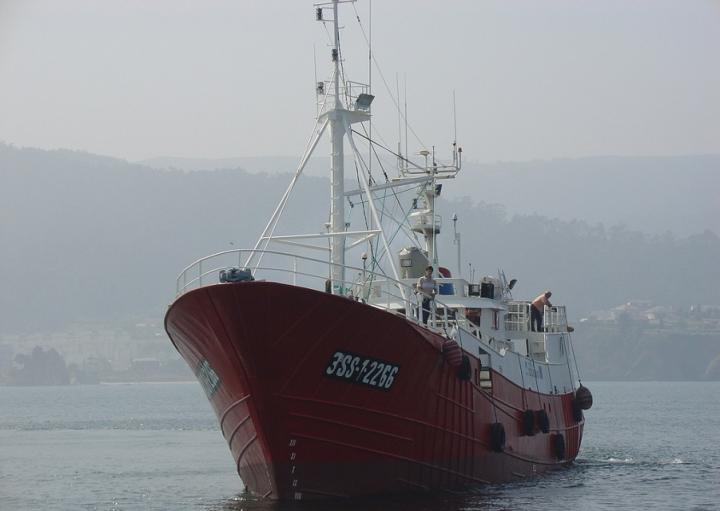
Credit: O roxo, Flickr, CC BY-SA 2.0.


Carbon dioxide emissions from fuel burnt by fishing boats are 30 per cent higher than previously reported, researchers with the Sea Around Us initiative at the University of British Columbia and the Sea Around Us – Indian Ocean at the University of Western Australia have found.

In a study published in Marine Policy, the scientists show that 207-million tonnes of CO2 were released into the atmosphere by marine fishing vessels in 2016 alone. This is almost the same amount of CO2 emitted by 51 coal-fired power plants in the same timeframe.

“The marine fishing industry relies heavily on the use of fossil fuel and its role in global greenhouse gas emissions has been largely ignored from a policy or management perspective,” said Krista Greer, lead author of the study and a researcher with the Sea Around Us at UBC. “Until now, the most comprehensive study of carbon dioxide emissions from fishing suggested that in 2011, fisheries released 112-million tonnes of CO2 per year from the combustion of fuel during fishing.”

The previous data suggested fisheries contributed to only 0.29 per cent of global CO2 emissions, while the new study indicates that their contribution is almost twice that amount. The higher values are largely due to the UBC-UWA research considering regional differences in fuel use based on fishing effort and the amount of fuel used to catch 30-million tonnes of fish that were not reported in 2016.

Greer and her colleagues used the Sea Around Us‘ global catch and fishing effort database to calculate the amount of carbon dioxide emitted by each boat operating in each country’s different fishing sectors and the amount of CO2 emitted per tonne of each fish those boats catch, also known as emissions intensity.

“We found that global emissions intensity for 2016, on average, was 1.88 tonnes of carbon dioxide, compared to 1.5 tonnes in 1950. This is despite the fact that marine catches have been declining since the mid-1990s,” said Greer. “The emissions intensity of small-scale, artisanal and subsistence fleets has increased the most over the time period in terms of magnitude, but the industrial sector continues to be the greatest contributor to overall emissions.”

In their analysis, the researchers also found that the emissions intensity started to grow in the 1980s.

“Small-scale fisheries caught up with the industrial sector because artisanal and subsistence fishers began installing gasoline-powered engines on their boats,” said Dirk Zeller, co-author of the study and leader of the Sea Around Us – Indian Ocean at the University of Western Australia. “This means that there’s a need to think of emission reduction strategies, such as switching to small diesel-powered engines in small-scale fisheries.”

According to Zeller, industrial fisheries also need to do their part by reducing their fishing effort, which is currently three to four times what it should be in order to be sustainable. This would not only allow for a reduction in CO2 emissions by industrial fleets but would foster the recovery of declining fish populations.

###

Media Contact
Valentina Ruiz Leotaud
[email protected]

Original Source

http://bit.ly/cotwosau

Related Journal Article

http://dx.doi.org/10.1016/j.marpol.2018.12.001

Tags: AgricultureClimate ChangeEcology/EnvironmentFisheries/AquaculturePollution/Remediation
Share12Tweet8Share2ShareShareShare2

Related Posts

Ancient Plant Populations Reveal Fresh Insights into Climate Resilience — Biology

Ancient Plant Populations Reveal Fresh Insights into Climate Resilience

May 8, 2026
Rare Brain Disorders in Children Linked to Mutations in Lesser-Known Protein Complex — Biology

Rare Brain Disorders in Children Linked to Mutations in Lesser-Known Protein Complex

May 8, 2026

From Odd Insect to Underwater Predator: The Remarkable Evolution of a Bloodthirsty Fruit Fly

May 8, 2026

SNU Professor Sangwoo Seo’s Team Develops Next-Generation CRISPR Biocontainment Technology to Control Microbial Survival Without DNA Cleavage

May 8, 2026
Please login to join discussion

POPULAR NEWS

  • Research Indicates Potential Connection Between Prenatal Medication Exposure and Elevated Autism Risk

    840 shares
    Share 336 Tweet 210
  • New Study Reveals Plants Can Detect the Sound of Rain

    727 shares
    Share 290 Tweet 181
  • Salmonella Haem Blocks Macrophages, Boosts Infection

    61 shares
    Share 24 Tweet 15
  • Breastmilk Balances E. coli and Beneficial Bacteria in Infant Gut Microbiomes

    57 shares
    Share 23 Tweet 14

About

We bring you the latest biotechnology news from best research centers and universities around the world. Check our website.

Follow us

Recent News

New Post-Hoc Analysis Explores Daily Oral Orforglipron Use in Adults Over 65 with Obesity, Regardless of Diabetes Status

Evaluating Digoxin Use in Patients with Symptomatic Rheumatic Heart Disease

Evaluating the Effectiveness and Safety of Digitalis Glycosides in Treating Heart Failure

Subscribe to Blog via Email

Enter your email address to subscribe to this blog and receive notifications of new posts by email.

Join 82 other subscribers
  • Contact Us

Bioengineer.org © Copyright 2023 All Rights Reserved.

Welcome Back!

Login to your account below

Forgotten Password?

Retrieve your password

Please enter your username or email address to reset your password.

Log In
No Result
View All Result
  • Homepages
    • Home Page 1
    • Home Page 2
  • News
  • National
  • Business
  • Health
  • Lifestyle
  • Science

Bioengineer.org © Copyright 2023 All Rights Reserved.