• HOME
  • NEWS
  • EXPLORE
    • CAREER
      • Companies
      • Jobs
    • EVENTS
    • iGEM
      • News
      • Team
    • PHOTOS
    • VIDEO
    • WIKI
  • BLOG
  • COMMUNITY
    • FACEBOOK
    • INSTAGRAM
    • TWITTER
Wednesday, June 17, 2026
BIOENGINEER.ORG
No Result
View All Result
  • Login
  • HOME
  • NEWS
  • EXPLORE
    • CAREER
      • Companies
      • Jobs
        • Lecturer
        • PhD Studentship
        • Postdoc
        • Research Assistant
    • EVENTS
    • iGEM
      • News
      • Team
    • PHOTOS
    • VIDEO
    • WIKI
  • BLOG
  • COMMUNITY
    • FACEBOOK
    • INSTAGRAM
    • TWITTER
  • HOME
  • NEWS
  • EXPLORE
    • CAREER
      • Companies
      • Jobs
        • Lecturer
        • PhD Studentship
        • Postdoc
        • Research Assistant
    • EVENTS
    • iGEM
      • News
      • Team
    • PHOTOS
    • VIDEO
    • WIKI
  • BLOG
  • COMMUNITY
    • FACEBOOK
    • INSTAGRAM
    • TWITTER
No Result
View All Result
Bioengineer.org
No Result
View All Result
Home NEWS Science News Biology

Cancer tumours form surprising connections with healthy brain cells

Bioengineer by Bioengineer
September 27, 2019
in Biology
Reading Time: 2 mins read
0
IMAGE
Share on FacebookShare on TwitterShare on LinkedinShare on RedditShare on Telegram

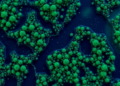
Healthy neurons form synapses with aggressive brain cancer cells that stimulate the growth and proliferation of brain cancer; anti-epileptic medicine can curb the dangerous communication and possibly be part of future treatment, a Norwegian study shows

IMAGE

Credit: Kim E. Andreassen, University of Bergen.

In a collaborative study by the University of Bergen, Universität Heidelberg and Das Deutsche Krebsforschungszentrum in Germany, researchers discovered that cancer cells in the brain communicate with healthy brain cells in a different way than previously assumed.

“We were surprised to learn that neurons form synapses with cancer cells, which we thought only healthy cells do,” says Professor Hrvoje Miletic of the Department of Biomedicine at the University of Bergen (UiB).

Disturbing signals

The job of synapses is to transmit signals between the cells, which tell them what to do. Previously, researchers have assumed that only healthy cells form such synapses to communicate with each other.

Researchers have known that cancer cells communicate with healthy neurons, but not how. Thanks to the neuroscience expertise at Heidelberg University and brain cancer models from UiB, researchers could see how neurons form synaptic connections with cancer cells, stimulating cancer growth.

“The new insight has allowed us to open a completely new field to understand malignant brain cancer and how to attack it. Controlled testing of anti-epileptic medicine is perhaps a possible new strategy,” Miletic says.

Anti-epileptic medicine against brain cancer

In epilepsy, neurons overreact, transmitting a slew of uncontrolled electrical impulses. The new research shows that impulses from neurons are transmitted to cancer cells through synapses and transformed into signals in cancer cells that stimulate growth.

Brain tumour patients often have epilepsy and are periodically put on anti-epileptic medications, but quit taking them after the seizures stop. Consequently, a future controlled study of anti-epileptic drugs could show whether there is a therapeutic effect in brain tumour patients.

“If we have a better understanding of how microtubules and synapses are formed, the mechanisms behind this and the kind of messages sent between the cancer cells, then we can find out what impact this has on cancer development and treatment,” says Hrvoje Miletic.

###

Facts:

  • Researchers from the University of Bergen have participated in an international project with researchers, including the German cancer research centre DKFZ and Heidelberg University.
  • Hrvoje Miletic heads the Miletic Lab that conducts research on so-called microtubules, which are tubular extensions inside the cells. Malignant cancer cells in the brain use these microtubules to form a communications network in the brain.
  • In 2018, the Norwegian Cancer Society gave NOK 4 million to research microtubules, the communications network of brain cancer.

Media Contact
Hrvoje Miletic
[email protected]

Original Source

https://www.uib.no/en/med/129945/cancer-tumours-form-surprising-connections-healthy-brain-cells

Related Journal Article

http://dx.doi.org/10.1038/s41586-019-1564-x

Tags: cancerCell BiologyMedicine/HealthMicrobiologyMolecular BiologyneurobiologyPharmaceutical Science
Share14Tweet9Share2ShareShareShare2

Related Posts

Loss of Smell as Devastating as Parkinson’s and Stroke, New Study Reveals — Biology

Loss of Smell as Devastating as Parkinson’s and Stroke, New Study Reveals

June 17, 2026
Cancer Often Begins with Rapid Chromosome Changes in a Single Cell, Study Finds — Biology

Cancer Often Begins with Rapid Chromosome Changes in a Single Cell, Study Finds

June 16, 2026

UCLA Scientists Uncover Potential Method to Repair Damaged Kidneys

June 16, 2026

Scientists Reveal New Discoveries About Cells Forming Brain’s Protective Barriers

June 16, 2026
Please login to join discussion

POPULAR NEWS

  • ESMO 2025: mRNA COVID Vaccines Enhance Efficacy of Cancer Immunotherapy

    326 shares
    Share 130 Tweet 82
  • Saying Goodbye to PGY-6: Pediatric Fellowship Realities

    101 shares
    Share 40 Tweet 25
  • Multi-Hospital Study Reveals Long Covid Burden Is Twice as High as Current Estimates

    91 shares
    Share 36 Tweet 23
  • Detection of EDCs in Breast Milk and Infant Urine Up to Six Months Highlights Early Exposure Risks

    75 shares
    Share 30 Tweet 19

About

We bring you the latest biotechnology news from best research centers and universities around the world. Check our website.

Follow us

Recent News

Loss of Smell as Devastating as Parkinson’s and Stroke, New Study Reveals

KAIST Enhances Humanoid Robot Vision Using Minimal Memory

New Research Reinforces Alcohol’s Role in Fatal Pancreatic Cancer

Subscribe to Blog via Email

Enter your email address to subscribe to this blog and receive notifications of new posts by email.

Join 82 other subscribers
  • Contact Us

Bioengineer.org © Copyright 2023 All Rights Reserved.

Welcome Back!

Login to your account below

Forgotten Password?

Retrieve your password

Please enter your username or email address to reset your password.

Log In
No Result
View All Result
  • Homepages
    • Home Page 1
    • Home Page 2
  • News
  • National
  • Business
  • Health
  • Lifestyle
  • Science

Bioengineer.org © Copyright 2023 All Rights Reserved.