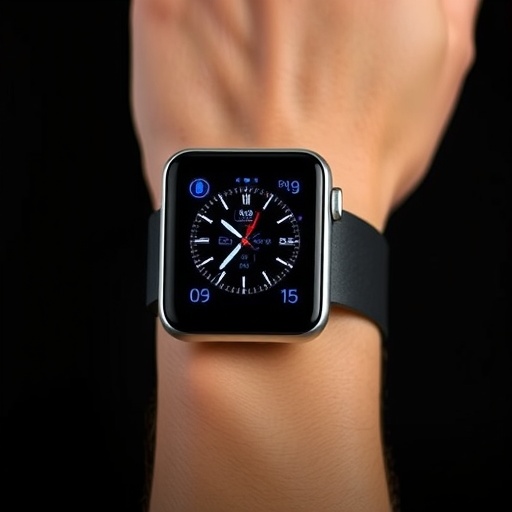
In an era where medical technology is advancing at a breakneck pace, the realm of pain assessment remains paradoxically archaic. Traditional methods like the ubiquitous 0-to-10 pain scale and static paper questionnaires have long been the standard tools used by clinicians worldwide. Yet these methods fail to capture the full complexity of chronic pain, a pervasive and debilitating condition impacting over a fifth of the global population. This glaring disconnect between clinical metrics and patient lived experience highlights the urgent need for continued innovation. Vanessa Nirode’s recent article, “The Need for Continued Investment in Digital Pain Assessment,” published by JMIR Publications, offers a compelling argument for the adoption of emerging digital technologies that provide a more holistic, biopsychosocial evaluation of pain.
Chronic pain, by nature, is a multifaceted phenomenon that transcends the simplistic physical sensation typically measured in clinical settings. Conventional pain scales attempt to quantify suffering on a single dimension, yet pain’s impact extends to emotional well-being, social identity, and overall functional capability. Patients frequently express frustration that these scales obscure their true ordeal, reducing a complex narrative into an arbitrary number. This reductionism not only erodes patient trust but also challenges clinicians attempting to devise effective treatment plans grounded in incomplete data. Nirode’s article underscores this critical gap and introduces digital tools that aim to bridge it.
One of the most significant limitations of traditional pain assessment is recall bias. Patients often find it difficult to accurately remember and report the intensity or character of their pain days or weeks after an episode. Memory distortions, influenced by current mood or context, can skew responses, thus compromising clinical decisions. Furthermore, patients may consciously or unconsciously underreport symptoms due to concerns about stigma or being labeled drug-seeking. These psychological and social layers further distance clinical pain scores from the patient’s lived reality.
Emerging digital technologies promise to revolutionize pain assessment by capturing data in real time and integrating multiple dimensions of the pain experience. Among the forefront innovations is the Override platform, a virtual care app that seamlessly delivers patient-generated journals and tracking data directly into electronic medical records. By enabling continuous recording of pain fluctuations, triggers, and functional impact, Override transcends episodic snapshots, offering clinicians a dynamic and nuanced understanding of their patients’ condition.
Another groundbreaking tool highlighted by Nirode is Doctor Notes, an AI-powered scribe system that transcribes and summarizes doctor-patient interactions. This technology not only relieves clinicians from administrative burdens but creates a longitudinal contextual archive that retains subtle details often lost in conventional charting. By preserving verbal and nonverbal cues, Doctor Notes augments clinical insight and supports more personalized treatment strategies.
Perhaps the most striking innovation is PainChek, a digital facial recognition technology that objectively analyzes microexpressions to detect pain indicators even in patients unable to communicate verbally. Using sophisticated machine learning algorithms and computer vision, PainChek translates nuanced, involuntary facial movements into quantifiable pain metrics. This capability is transformative for vulnerable populations such as infants, nonverbal adults, and cognitively impaired patients, who have historically been under-assessed and undertreated.
Despite these promising advancements, the article candidly discusses the current disconnect between patient-collected digital data and formal medical records. Many healthcare institutions have yet to fully integrate these novel data streams into their electronic health records (EHR) systems, resulting in fragmentation and underutilization of valuable insights. Dr. Dimitri Souza of the Western Reserve Hospital Center for Pain Medicine pinpoints integration as the pivotal hurdle and the defining frontier for digital pain assessment’s future.
The article posits that healthcare’s gradual shift toward value-based care models will catalyze the widespread adoption of digital pain assessment technologies. Insurance reimbursement increasingly hinges on patient outcomes rather than service volume, incentivizing more comprehensive and continuous monitoring. Bridging traditional questionnaires with real-time digital metrics enables clinicians not only to treat pain symptoms but to address the broader impacts on patients’ identities, daily functioning, and quality of life.
Underlying these technological advancements is the principle that chronic pain should be understood as an embodied experience situated within complex ethical, psychological, and social contexts. Nirode’s reportage advocates for a biopsychosocial paradigm, where digital tools act as enablers of patient-centered care, fostering empathy, validation, and precision medicine. By capturing a richer data landscape, clinicians can challenge biases, tailor interventions, and ultimately improve outcomes for a notoriously underrepresented patient population.
In conclusion, “The Need for Continued Investment in Digital Pain Assessment” serves as a clarion call for the healthcare community to reimagine pain measurement through the lens of innovation, integration, and inclusivity. Digital tools such as Override, Doctor Notes, and PainChek exemplify the potential to disrupt entrenched methodologies and transform subjective pain into actionable intelligence. Yet realizing this potential demands concerted effort to bridge technological capabilities with healthcare infrastructure and incentivize adoption through policy and reimbursement reforms.
As our understanding of pain evolves beyond simple numeric scales, so too must our commitment to developing tools that truly reflect the patient’s journey. Nirode’s incisive analysis and the sophisticated technological solutions she highlights illuminate a path forward—one where assessment transcends symptoms, embraces the whole person, and ultimately leads to meaningful relief for millions burdened by chronic pain.
—
Subject of Research: People
Article Title: The Need for Continued Investment in Digital Pain Assessment
News Publication Date: 17-Apr-2026
Web References: Not provided
References: Nirode V. The Need for Continued Investment in Digital Pain Assessment. J Med Internet Res 2026;28:e97777. DOI: 10.2196/97777
Image Credits: Vanessa Nirode, JMIR Correspondent
Tags: AI in pain assessmentbiopsychosocial pain evaluationchronic pain management innovationsdigital pain measurement toolsenhancing clinical pain assessmentfuture of digital health in pain careimproving patient-reported pain accuracyintegrating AI with wearable deviceslimitations of traditional pain scalesovercoming challenges in pain quantificationpersonalized pain tracking technologywearable technology for chronic pain