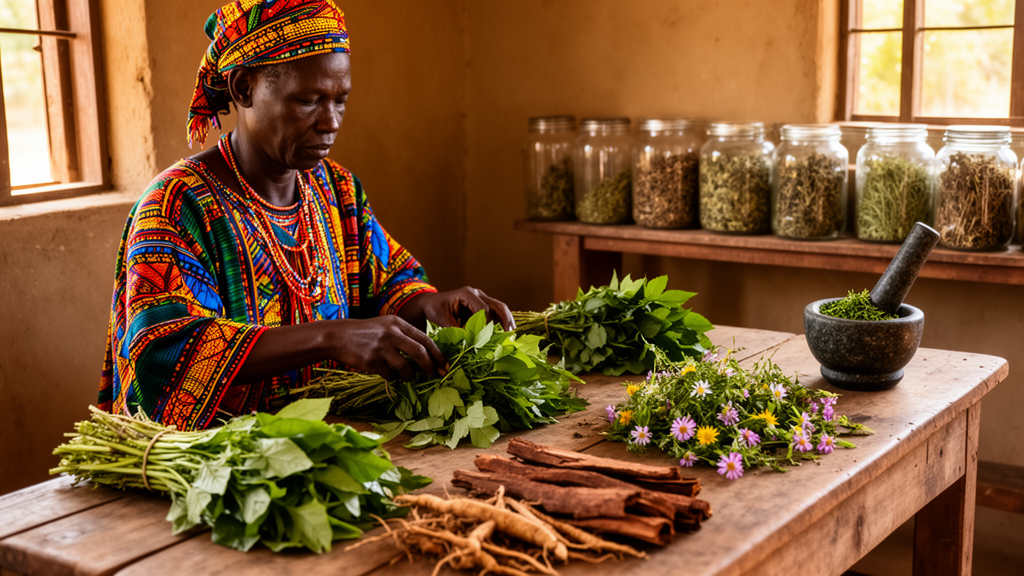
A nationwide ethnobotanical survey has documented the medicinal plants that traditional practitioners across Burundi report using to manage symptoms associated with diabetes. The study, published in BMC Complementary Medicine and Therapies, was conducted between February and August 2024 across 25 public markets throughout the country. Researchers approached 146 traditional practitioners, of whom 64 reported managing diabetes-related symptoms and were included in the analysis. Participants were interviewed using a semi-structured questionnaire, with purposive and snowball sampling used to identify respondents. The result is a nationwide baseline of the plants and therapeutic practices reported by Burundian traditional practitioners for this purpose, a topic the authors describe as previously insufficiently documented.
The survey identified 121 plant species belonging to 111 genera and 51 families. Two families dominated the record: Asteraceae accounted for 14.87 percent of cited species and Fabaceae for 13.22 percent. Practitioners reported 30 signs and symptoms that they associate with diabetes, and the remedies they described fell into 55 multiherbal recipes and eight monoherbal recipes, reflecting a strong preference for combining several species in a single preparation. The most frequently cited species were Gymnanthemum amygdalinum, cited by 17 practitioners for a relative frequency of citation of 0.27, followed by Dicoma anomala with 14 citations (RFC 0.22), Erythrina abyssinica with 13 (RFC 0.20), Parinari curatellifolia with 12 (RFC 0.19) and Ageratum conyzoides with 11 (RFC 0.17).
The botanical profile of the documented species shows clear patterns in both growth form and harvested parts. Most species were phanerophytes at 50.41 percent, followed by hemicryptophytes at 28.93 percent. Leaves were the most commonly used plant part at 52.41 percent of reports, with bark second at 27 percent. Preparation methods were equally consistent: decoction predominated at 65.6 percent of recipes, and 97.6 percent of preparations were administered orally. These details indicate which plant organs and preparation methods were reported, information the authors present as relevant for future laboratory work on the documented remedies.
The authors stress that the documented species should not be interpreted as clinically effective treatments on the basis of ethnobotanical evidence alone. The survey was designed to document plants and practices, not to evaluate their efficacy. Diabetes is a growing global health challenge, and access to appropriate healthcare remains limited in many settings, which the authors note as context for the widespread use of traditional medicine in Burundi.
According to the researchers, the species recorded in this nationwide baseline warrant further phytochemical, pharmacological and toxicological investigations. The authors note that species supported by sufficient preclinical evidence could then become an asset for subsequent clinical research. Until such evidence exists, the survey stands as a documented record of current traditional practice rather than a validation of any remedy.
Subject of Research: An ethnobotanical survey documenting medicinal plants traditionally used by Burundian practitioners for diabetes-related symptoms
Article Title: Medicinal plants traditionally used for the management of diabetes-related symptoms: an ethnobotanical study among traditional practitioners in twenty-five markets in Burundi
Article References: Bukuru, A., Ngezahayo, J., Banzubaze, E., Nsabiyumva, F., Duez, P., & Nkengurutse, J. (2026). Medicinal plants traditionally used for the management of diabetes-related symptoms: an ethnobotanical study among traditional practitioners in twenty-five markets in Burundi. BMC Complementary Medicine and Therapies. https://doi.org/10.1186/s12906-026-05652-4
Image Credits: AI Generated
DOI: 10.1186/s12906-026-05652-4
Keywords: ethnobotany, medicinal plants, diabetes, Burundi, traditional medicine, traditional practitioners, phytochemistry, pharmacology, decoction, Asteraceae, Fabaceae, ethnobotanical survey
News Source: Ophelia Keating. (October 26, 2026). Burundi’s Traditional Healers Report 121 Plants Used Against Diabetes Symptoms. Scienmag.