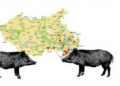
A year-long surveillance study across buffalo herds in Bangladesh has uncovered a sobering picture of a hidden respiratory pathogen circulating silently among one of the country’s most economically important livestock species. Researchers from Sylhet Agricultural University sampled 400 buffaloes across seven upazilas in the Sylhet District and the island region of Swarna Dweep in Noakhali, collecting nasal swabs to search for Pasteurella multocida, the bacterium responsible for hemorrhagic septicemia and pneumonic pasteurellosis in large ruminants. Their findings, published in MicrobiologyOpen, reveal not only that the bacterium is present in apparently healthy animals but also that the isolates recovered are resistant to nearly all of the antibiotics most commonly deployed in Bangladeshi veterinary practice.
The team’s methodology combined classical bacteriology with molecular confirmation, a dual approach that proved essential for accuracy. Of the 400 nasal swabs, 49 samples yielded colonies consistent with P. multocida on culture and biochemical screening, suggesting a presumptive prevalence of 12.25 percent. However, when the researchers applied polymerase chain reaction assays targeting species-specific genes, only 29 of those isolates were molecularly confirmed, yielding a PCR-confirmed prevalence of 7.25 percent. The discrepancy between the two methods underscores a persistent challenge in field microbiology: phenotypic identification can overestimate true prevalence because closely related commensal bacteria may mimic the colony morphology and biochemical profile of P. multocida, while PCR specificity comes at the cost of occasional sensitivity losses in samples with low bacterial DNA loads or inhibitory compounds.
Perhaps the most consequential molecular finding was capsular typing. Every PCR-positive isolate belonged to capsular type B, the serogroup associated with serotype B:2, one of the two strains—alongside E:2—responsible for devastating hemorrhagic septicemia outbreaks across Asia. Hemorrhagic septicemia is among the most lethal bacterial diseases of cattle and buffaloes in the region, producing fever, edema, respiratory distress, and rapid death. Because recovered and subclinically infected animals can harbor the organism in the lymphatic tissues of the upper respiratory tract and intermittently shed it in nasal secretions, the identification of type B organisms in nasal carriers carries significant epidemiological weight. Carrier animals act as a reservoir from which the bacterium can spread to susceptible herdmates and even to other indigenous species through aerosols, secretions, and direct contact.
The geographic distribution of positive samples varied considerably across the study sites, hinting at the influence of local husbandry and hygiene practices. Zakiganj recorded the highest detection rates, with 19.64 percent culture positivity and 14.29 percent molecular confirmation, followed closely by Fenchuganj. At the other extreme, no PCR-positive samples were recovered from Companiganj despite a small number of culture-positive swabs there, and Golapganj showed the lowest confirmed prevalence at 1.89 percent. The researchers did not find a statistically significant association between study area and infection status, but the spatial heterogeneity they observed aligns with the idea that management intensity, biosecurity, and animal movement patterns shape local reservoirs of infection in resource-limited farming systems.
Animal-level risk factors told a clearer story. Buffaloes aged between one and three years carried significantly higher odds of infection than calves under one year of age, with an odds ratio of 3.94. The researchers attribute this pattern to the confluence of immunological and management stressors that young adult animals face: weaning, increased movement and mixing with other animals, the onset of draught work or fattening regimens, and dietary and environmental changes that can suppress immune defenses. Meanwhile, calves may retain protection from maternally derived antibodies acquired through colostrum in areas where dams have been vaccinated or exposed, and older adults in endemic regions may have developed acquired immunity that reduces detectable carriage. Sex showed no significant effect, with males at 8.79 percent and females at 5.96 percent prevalence, suggesting that biological sex is far less determinative than age, stress, and management context.
The single strongest predictor of nasal carriage was clinical status. Buffaloes presenting with respiratory symptoms were 8.88 times more likely to test positive for P. multocida than apparently healthy animals, with a prevalence of 18.48 percent among symptomatic animals compared with just 2.49 percent among healthy ones. This association, highly significant statistically, reinforces the pathophysiological role of P. multocida as both a primary and an opportunistic respiratory pathogen. Under conditions of stress—poor nutrition, transport, adverse weather, or concurrent infections—the bacterium proliferates in the upper respiratory tract and can descend into the lower airways, initiating pneumonia or the systemic catastrophe of hemorrhagic septicemia. Once clinical signs appear, treatment is often ineffective, which is why the carrier state identified in this study represents such a critical intervention point.
The antimicrobial susceptibility results are where the study delivers its most alarming message. Among the 29 confirmed isolates, resistance to ampicillin reached 96.55 percent, oxytetracycline 93.10 percent, and penicillin-G 89.65 percent—three drugs that constitute the backbone of empirical treatment in many Bangladeshi livestock systems. Resistance to streptomycin, sulfamethoxazole-trimethoprim, gentamicin, and chloramphenicol also exceeded 50 percent. Only cefixime, a third-generation cephalosporin to which 93.10 percent of isolates remained susceptible, and azithromycin, with 68.96 percent susceptibility, retained meaningful activity. The researchers link the resistance patterns to decades of indiscriminate antibiotic use in a country where veterinary oversight is limited, informal animal health providers are widespread, and farmers frequently administer drugs without susceptibility testing, imposing relentless selective pressure on bacterial populations.
Correlation analysis of the resistance profiles revealed patterns that point to shared underlying mechanisms. Penicillin-G and ampicillin resistance were strongly and positively correlated, consistent with class-wide β-lactam resistance driven by β-lactamase production or altered penicillin-binding proteins. Gentamicin resistance correlated strongly with oxytetracycline resistance, and ampicillin resistance likewise tracked with tetracycline resistance, a pattern the authors interpret as evidence of co-selection: tetracycline and aminoglycoside resistance determinants are commonly carried together on mobile genetic elements such as plasmids and transposons, so selection pressure from one drug class can maintain resistance to another. The lone notable negative correlation, between cefixime and gentamicin, fits the observation that cephalosporins, rarely used in veterinary medicine, have escaped the co-resistance cascade that has eroded the utility of older drugs.
The study’s limitations are acknowledged by its authors. Molecular characterization was confined to species confirmation and capsular typing; more granular tools such as virulence gene profiling, multi-locus sequence typing, and whole-genome sequencing were not applied, and resistance was assessed phenotypically rather than by identifying the specific genes or mobile elements involved. Even so, the practical implications are immediate. The findings argue for routine susceptibility testing before treatment, targeted vaccination programs, improved biosecurity and husbandry to reduce stress in high-risk young adult animals, and strengthened national antimicrobial stewardship. Because cefixime and azithromycin remain effective but are considered critically important antimicrocrobials for human medicine, the authors caution that their use in animals must be judicious to preserve that efficacy.
For Bangladesh, where buffaloes supply milk, meat, and draught power to rural communities operating with limited veterinary infrastructure, the study provides the first systematic molecular characterization of nasal P. multocida carriage in the species. It demonstrates that the reservoir for hemorrhagic septicemia extends beyond visibly sick animals into the herds themselves, and that the bacteria circulating in that reservoir have accumulated resistance to the drugs farmers reach for first. Integrating molecular diagnostics with antimicrobial resistance monitoring, the researchers conclude, will be essential to controlling pasteurellosis and preventing resistant strains from spreading further through buffalo production systems—and, by extension, through the food animal populations on which millions of livelihoods depend.
Subject of Research: Prevalence and antimicrobial resistance of Pasteurella multocida carried in the nasal cavity of buffaloes in Bangladesh
Article Title: Prevalence, Molecular Identification, and Antimicrobial Resistance Traits of Pasteurella multocida Isolated From Nasal Swabs of Buffaloes in Bangladesh
Article References: Ghosh, P. K., Rahman, A., Roy, M., Sakib, M. A. N., Tuha, M. M.-E.-A., Ali, M., Chowdhury, M. S. R., Uddin, M. B., Rahman, M. M., & Hossain, M. M. (2026). Prevalence, Molecular Identification, and Antimicrobial Resistance Traits of Pasteurella multocida Isolated From Nasal Swabs of Buffaloes in Bangladesh. MicrobiologyOpen, 15(5), Article e70432. https://doi.org/10.1002/mbo3.70432
Image Credits: AI Generated
DOI: 10.1002/mbo3.70432
Keywords: Pasteurella multocida, buffalo, Bangladesh, hemorrhagic septicemia, antimicrobial resistance, nasal swabs, capsular type B, PCR, respiratory disease, livestock, multidrug resistance, veterinary microbiology
Cite Scienmag News
APA
MLA
Chicago
Kristina Jarvis. (October 3, 2026). Buffalo Nasal Swabs in Bangladesh Reveal Alarming Drug Resistance in Pasteurella multocida. Scienmag. https://scienmag.com/buffalo-nasal-swabs-in-bangladesh-reveal-alarming-drug-resistance-in-pasteurella-multocida/
Kristina Jarvis. “Buffalo Nasal Swabs in Bangladesh Reveal Alarming Drug Resistance in Pasteurella multocida.” Scienmag, 3 October 2026, https://scienmag.com/buffalo-nasal-swabs-in-bangladesh-reveal-alarming-drug-resistance-in-pasteurella-multocida/. Accessed 3 October 2026.
Kristina Jarvis. “Buffalo Nasal Swabs in Bangladesh Reveal Alarming Drug Resistance in Pasteurella multocida.” Scienmag. October 3, 2026. https://scienmag.com/buffalo-nasal-swabs-in-bangladesh-reveal-alarming-drug-resistance-in-pasteurella-multocida/
Copy citation
Download RIS
Tags: antibiotic resistance in buffalo herds Bangladeshantibiotic-resistant livestock bacteria BangladeshAntimicrobial Resistanceantimicrobial resistance in Pasteurella multocidaBangladeshbovine respiratory pathogen surveillance BangladeshbuffaloBuffalo nasal swabs Bangladeshcapsular type Bhemorrhagic septicemiaimpact of antimicrobial resistance on Bangladeshi agriculturelivestocklivestock disease monitoring Bangladeshmolecular detection of livestock pathogens Bangladeshmultidrug resistancenasal swabsPasteurella multocidaPasteurella multocida prevalence BangladeshPCRrespiratory diseaserespiratory disease in Bangladeshi buffaloveterinary microbiologyveterinary microbiology Bangladeshzoonotic risk of resistant bacteria Bangladesh