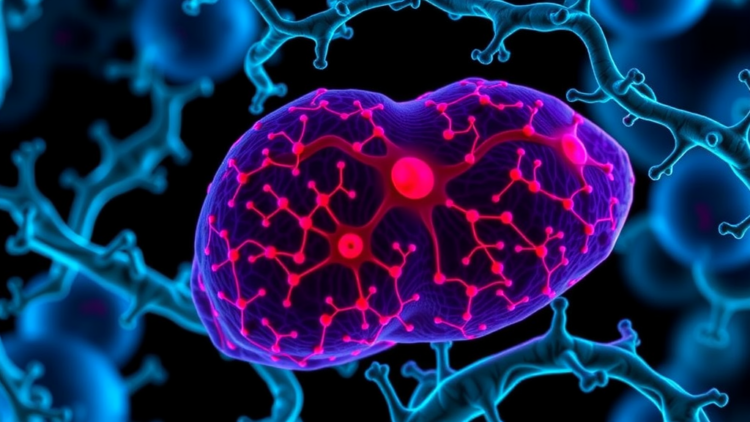
A groundbreaking review article published in the prestigious journal Genes & Diseases shines a spotlight on the pivotal role of glutamine metabolism within the tumor microenvironment. This comprehensive analysis delves into how glutamine, a fundamental amino acid, orchestrates the complex metabolic dialogue between cancer cells and their surrounding stromal components, illuminating new dimensions in cancer biology and therapeutic innovation.
Glutamine’s centrality in tumor metabolism has surged to the forefront of cancer research due to its multifaceted functions. Beyond serving as a mere nutrient, glutamine operates as a critical regulator of cellular processes essential for tumor survival and proliferation. Its role extends deeply into sustaining metabolic flexibility, allowing tumor cells to adapt to fluctuating nutrient availability by fueling the tricarboxylic acid (TCA) cycle and supporting biosynthetic needs under nutrient-deprived conditions.
The tumor microenvironment (TME) represents a highly dynamic ecosystem that includes not only malignant cells but also diverse stromal populations such as macrophages, T cells, fibroblasts, and dendritic cells. The reviewed work emphasizes the intricate metabolic symbiosis mediated by glutamine within this niche. This nutrient creates a biochemical landscape that simultaneously drives tumor progression and modulates immune responses in a context-dependent fashion, balancing between immunostimulation and immunosuppression.
An illuminating aspect of the review is the focus on stromal contributors to glutamine metabolism, particularly cancer-associated fibroblasts (CAFs) and tumor-associated macrophages (TAMs). These cells actively engage in metabolic cross-talk, synthesizing and supplying glutamine to tumor cells, thereby buttressing tumor growth and invasiveness. This reciprocal exchange enhances the malignant phenotype and contributes significantly to the development of therapy resistance.
Moreover, the metabolic byproducts of glutamine catabolism, such as ammonia, present additional challenges by undermining immune cell efficacy. Ammonia accumulation within the TME can inhibit T cell function and promote an immunosuppressive milieu, facilitating tumor immune evasion. This dualistic role of glutamine metabolism underscores the complexity of targeting this pathway for therapeutic gains.
Therapeutically, targeting glutamine metabolism emerges as a compelling strategy that holds promise for dual impacts: directly impairing tumor cell viability and revitalizing anti-tumor immunity. Inhibitors designed to disrupt glutamine uptake, synthesis, or metabolic utilization are currently under intense investigation, echoing a paradigm shift toward metabolically focused cancer therapies that account for the tumor-stroma metabolic axis.
This metabolic reprogramming taps into the broader concept that tumors are not isolated entities but rather complex tissues whose survival hinges on interdependent biochemical networks. Consequently, therapies that selectively dismantle glutamine metabolism may recalibrate the TME, dismantling the supportive stromal infrastructure and unleashing immune mechanisms against cancer.
The review’s extensive synthesis of current findings elucidates how glutamine supports diverse cellular functions including redox homeostasis, nucleotide biosynthesis, and epigenetic modifications within tumor and stromal cells alike. These interconnected roles underscore glutamine’s position as a metabolic hub whose perturbation could yield profound antitumoral effects.
Importantly, the authors highlight that the metabolic interplay mediated by glutamine is highly context-dependent and varies across cancer types and microenvironmental conditions. This nuanced understanding necessitates tailored therapeutic approaches that consider tumor heterogeneity and metabolic plasticity.
This scholarly article also integrates insights into how the manipulation of stromal cell glutamine metabolism could synergistically enhance the efficacy of conventional treatments, potentially overcoming resistance mechanisms that limit current therapeutic outcomes. Targeted metabolic interventions could thus revamp existing paradigms of oncologic therapy.
In conclusion, the review advances the notion that glutamine metabolism is not just a peripheral nutrient pathway but a core regulator of tumor-stromal dynamics. By providing a molecular blueprint of these metabolic interactions, it paves the way for next-generation treatments that strategically disrupt cancer-supportive metabolic circuits while bolstering immune surveillance.
The implications of these findings resonate deeply within the cancer research community, offering a promising outlook for the development of novel, metabolism-centered oncologic therapies. Future investigations are expected to expand upon these foundational insights, translating metabolic understanding into tangible clinical advances.
Subject of Research: Glutamine metabolism in the tumor microenvironment and its role in tumor progression and immune regulation
Article Title: Overview of glutamine metabolism in stromal components of the tumor microenvironment and potential anti-tumor therapies
News Publication Date: Not specified
Web References: Genes & Diseases journal via ScienceDirect (https://www.sciencedirect.com/journal/genes-and-diseases)
References: Li Z, Deng J, Wang H, et al. Overview of glutamine metabolism in stromal components of the tumor microenvironment and potential anti-tumor therapies. Genes & Diseases. 2026;13(3):101834. DOI: 10.1016/j.gendis.2025.101834
Image Credits: OEA
Keywords: Glutamine metabolism, tumor microenvironment, cancer-associated fibroblasts, tumor-associated macrophages, metabolic reprogramming, immune suppression, tricarboxylic acid cycle, cancer therapy, metabolic interactions
Tags: cancer metabolism and immune responseglutamine and TCA cycle in tumorsglutamine metabolism in cancerglutamine role in tumor survivalglutamine-dependent tumor progressionimmune modulation by glutaminemetabolic flexibility in cancer cellsmetabolic symbiosis in tumor microenvironmentstromal cell metabolism in cancertargeting metabolic pathways in tumorstherapeutic strategies targeting glutaminetumor microenvironment metabolic interactions