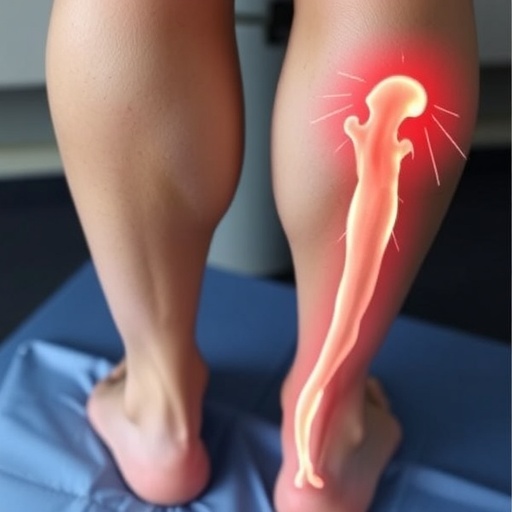
In recent years, remarkable advancements in cancer therapies have significantly increased survival rates, yet they have also unveiled long-term complications that survivors face. One such complication is lymphedema, a chronic condition characterized by persistent swelling typically affecting the limbs. This debilitating outcome, often resulting from cancer treatment, manifests through pain, impaired mobility, recurrent infections, and adverse impacts on psychological well-being and body image. Today, pioneering microsurgical techniques developed at The Ohio State University Comprehensive Cancer Center (OSUCCC – James) are transforming how the medical community approaches lymphedema, offering new hope for prevention and effective treatment.
The lymphatic system, an intricate network of minute vessels and lymph nodes, plays a vital role in maintaining fluid balance and immune function. By draining interstitial fluid and filtering pathogens, this system preserves homeostasis and protects against infection. However, certain cancer therapies disrupt this delicate network. Surgical removal of lymph nodes—a common procedure for staging and controlling cancer spread—can inadvertently cause lymphatic blockages. Radiation therapy can similarly induce fibrosis and damage lymphatic channels. Subsequently, fluid accumulates, leading to the swelling and tissue changes identified as lymphedema.
Approximately 30% of patients treated for specific cancers, such as breast and bladder cancers, develop lymphedema, which may arise years after treatment. Previously, lymphedema was considered an irreversible and permanent adverse effect, managed only through conservative methods including manual lymphatic drainage, physical therapy, and compression garments. These approaches helped alleviate symptoms but did not fundamentally address the underlying lymphatic deficiencies. Patients often endured pronounced limb asymmetry and reduced functionality, significantly diminishing quality of life and fostering psychosocial distress.
Emerging microsurgical procedures are revolutionizing this clinical paradigm by targeting the root causes of lymphatic obstruction. At OSUCCC – James, surgeons utilize ultra-high-frequency ultrasound to visualize lymphatic vessels mere fractions of a millimeter in diameter. This precise imaging capability enables detailed mapping of lymphatic anatomy and pathology, guiding targeted surgical interventions. Among these advanced techniques are lymphaticovenous bypass and vascularized lymph node transfer. The former creates microscale anastomoses connecting lymphatic vessels to nearby veins, facilitating alternative drainage pathways and mitigating fluid accumulation. The latter transplants lymph nodes from donor sites to affected regions, restoring lymphatic function and promoting lymphangiogenesis.
Such innovative procedures require exceptional surgical skill under a microscope and meticulous patient selection based on comprehensive imaging and clinical evaluation. OSUCCC – James stands at the forefront of this field, not only performing these microsurgeries but also serving as an international hub for education and research. The center recently hosted the 11th World Symposium for Lymphedema Surgery, fostering cross-disciplinary collaboration and dissemination of cutting-edge findings that continue to advance lymphatic medicine globally.
Expertise at OSUCCC – James underscores the multifaceted challenges of lymphedema—highlighting how chronic lymph stasis leads to progressive fibrosis, adipose tissue proliferation, and recurrent infections through impaired immune surveillance. These pathophysiological insights have driven refinements in surgical technique and postoperative care, ensuring maximal functional recovery and minimizing complications. Importantly, minimally invasive incisions, often comparable in size to a paper cut, reduce patient morbidity and enhance recovery.
Patient testimonials underscore the transformative potential of these therapies. For instance, survivors like Mike Kovach, a 71-year-old bladder cancer patient, have regained limb function and experienced substantial relief from swelling through lymphatic microsurgery. Stories such as his exemplify how combining surgical innovation with multidisciplinary care can restore hope and improve long-term outcomes for millions of cancer survivors globally.
Despite these advances, barriers remain in expanding access to lymphatic microsurgery. The specialized expertise and sophisticated equipment required limit widespread availability, particularly in community oncology settings. OSUCCC – James is committed to broadening access through training programs, telemedicine evaluations, and collaborative networks. Increasing awareness among patients and clinicians is equally critical, empowering more individuals affected by lymphedema to pursue evaluation and potentially curative surgical options.
Furthermore, ongoing research aims to refine diagnostic modalities and optimize surgical protocols. Experimental imaging techniques, molecular biomarkers, and tissue engineering approaches hold promise for enhancing early detection and personalized treatment strategies. The intersection of basic science and clinical innovation at OSUCCC – James epitomizes the dynamic effort to convert lymphedema from a chronic burden into a manageable—and increasingly preventable—condition.
For cancer survivors facing the daunting prospect of lymphedema, these developments provide a beacon of hope. Where once they faced limited options and gradual decline, today’s microsurgical advancements unlock pathways to improved quality of life and renewed physical resilience. The commitment of centers like OSUCCC – James drives this evolution, exemplifying how precision medicine and surgical ingenuity can profoundly impact survivorship care in oncology.
To explore lymphedema evaluation and treatment pathways at OSUCCC – James, interested individuals and healthcare providers are encouraged to visit cancer.osu.edu or contact their specialized team directly. Through continued innovation, education, and clinical excellence, the future landscape of lymphedema treatment promises to be markedly brighter, underscoring the triumph of science and compassion in addressing the collateral challenges of cancer survival.
Subject of Research: Lymphatic microsurgery techniques for lymphedema treatment and prevention following cancer therapy
Article Title: Advances in Microsurgical Treatment of Lymphedema Transform Cancer Survivorship
News Publication Date: Not specified
Web References: https://cancer.osu.edu
Image Credits: The Ohio State University Comprehensive Cancer Center
Keywords: Cancer, Lymphedema, Lymphatic System, Microsurgery, Lymphaticovenous Bypass, Lymph Node Transfer, Ultrasound Imaging, Cancer Survivorship
Tags: cancer therapy long-term complicationschronic limb swelling after cancer treatmentimpact of lymphedema on quality of lifeinnovative cancer survivorship carelymphatic system damage from cancer surgerylymphedema treatment breakthroughsmanaging swelling in cancer survivorsmicrosurgical techniques for lymphedemaOSUCCC lymphedema researchprevention of cancer-related lymphedemaradiation-induced lymphatic fibrosissurgical removal of lymph nodes effects