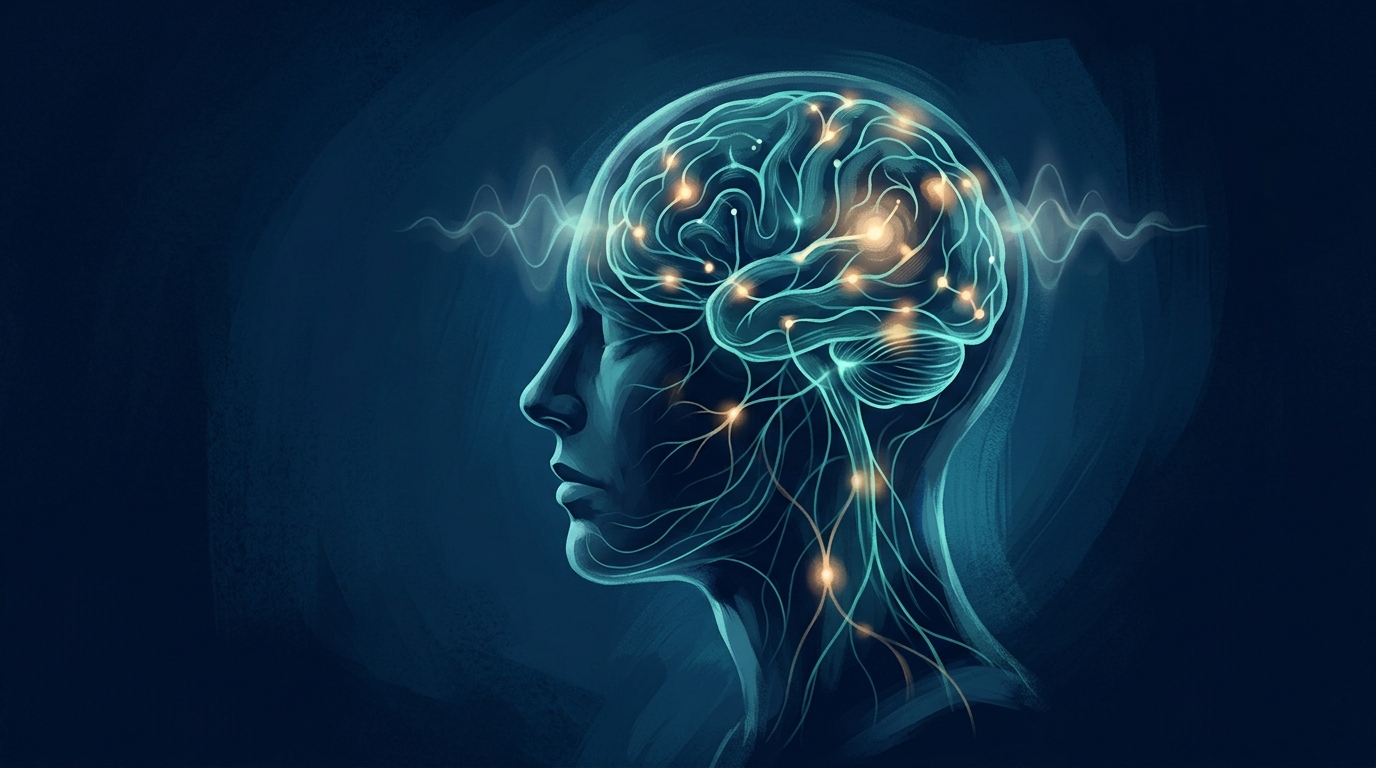
Transcranial magnetic stimulation, a technique that uses magnetic fields to alter brain activity without surgery, is drawing growing attention as a possible way to ease symptoms of autism spectrum disorder. A narrative review published in the Egyptian Journal of Neurosurgery examines what the technique can and cannot do for people with the condition, weighing the neurobiological rationale behind it against a clinical evidence base that the authors describe as promising but far from settled. Their conclusion is measured: the approach looks like a worthwhile investigational tool, not an established therapy.
The review, written by Abdur Rehman, Muhammad Taaha Siddiqui, Maryam Asghar Jamal and colleagues, was published on 22 September 2026 as an open-access article in Volume 41 of the journal. The authors searched PubMed/MEDLINE and Google Scholar for English-language publications from 2000 to 2026, combining terms for transcranial magnetic stimulation and its repetitive variant with terms for autism spectrum disorder, mechanisms and treatment. They included freely accessible original studies, observational work, cross-sectional research and randomized controlled trials, and excluded reviews, editorials and commentary, supplementing the database searches with a manual check of reference lists.
Autism spectrum disorder is a multifaceted neurodevelopmental condition marked by difficulties in social interaction and communication, along with repetitive or restricted patterns of behavior and sensory responses. It is estimated to affect about one in every hundred children worldwide, occurs more frequently in males at a male-to-female ratio of around 4:1, and varies enormously from one person to the next. Current management relies on individualized, structured combinations of educational, behavioral, speech-language and occupational therapies, with medications reserved for specific symptoms. No treatment modality available today has an overall impact on the condition itself, which is where neuromodulation enters the picture.
Transcranial magnetic stimulation works by electromagnetic induction: a rapidly changing magnetic field generates an electric current in the brain, modulating neuronal activity non-invasively. The technique comes in several forms. Single-pulse stimulation is used for brain mapping and assessing motor pathways, paired-pulse stimulation examines cortical inhibition and facilitation, and repetitive stimulation delivered over sessions aims to produce lasting changes in cortical excitability. A patterned variant called theta burst stimulation delivers three high-frequency pulses in short bursts repeated at a theta rhythm; intermittent theta burst stimulation usually produces a facilitatory, long-term potentiation-like effect, while continuous theta burst stimulation is generally associated with an inhibitory, long-term depression-like response. These effects are not always consistent between individuals, and theta burst sessions can be completed in much less time than conventional protocols.
The neurobiological rationale rests on several converging lines of evidence. A balanced excitatory-to-inhibitory ratio is essential for neuronal stability, and an imbalance between the two has been proposed as a network-level explanation for neurological and behavioral dysfunction in neurodevelopmental disorders including autism. Abnormalities in key neurotransmitters such as dopamine, serotonin, GABA and glutamate have been attributed to many of the behaviors and cognitive deficiencies seen in the condition, and rodent studies suggest that reducing GABA transmission in the medial prefrontal cortex decreases sociability. The review also highlights the default mode, salience and central executive networks, whose atypical interactions may contribute to reduced engagement with socially relevant stimuli, and molecular mediators such as brain-derived neurotrophic factor and NMDA receptors, which are central to synaptic plasticity.
Against that background, the authors report that repetitive stimulation reliably modulates cortical excitability, induces NMDA receptor-dependent long-term potentiation and depression-like plasticity, and influences GABAergic and glutamatergic neurotransmission while altering activity within distributed functional brain networks. However, the mechanisms proposed to explain therapeutic benefit in autism, including restoration of excitation-inhibition balance, enhancement of brain-derived neurotrophic factor mediated synaptic remodeling, normalization of large-scale network dysfunction and modulation of neuroimmune signaling, remain biologically plausible but incompletely validated in autism populations. Some empirical signals do exist: one study found notable enhancements in gray matter volume in the cerebellar vermis lobules IV-V, right caudate and left postcentral gyrus after stimulation, alongside reductions in the left caudate and right insula, and time-varying EEG work showed strengthened long-range feedback connections with attenuation of short-range connectivity.
On the clinical side, the picture is mixed. Early research employed a wide range of designs, from small open-label trials to waitlist-controlled studies lacking blinding and placebo control. Randomized, double-blind, sham-controlled evidence remains limited but is not confined to a single study. In the first sham-controlled trial in adults, deep stimulation of the bilateral dorsomedial prefrontal cortex at 5 Hz daily for two weeks led to significant reductions in self-reported social relating difficulties compared with sham, with participants reporting improved ability to engage in social situations and decreased social anxiety at one-month follow-up. A 2018 meta-analysis of twelve controlled studies found a significant intermediate effect on social behavior ratings and a significant improvement in repetitive and stereotyped behaviors. Open-label work by Sokhadze and colleagues, delivering weekly 1 Hz stimulation over the dorsolateral prefrontal cortex for 12 to 18 weeks in young people, noted reductions in stereotypy and self-stimulatory behaviors accompanied by improved attention.
Not every controlled result has been positive. A recent double-masked, sham-controlled pilot trial gave adolescents and young adults without intellectual disability twenty sessions of high-frequency 20 Hz stimulation to the bilateral dorsolateral prefrontal cortex, targeting executive function impairments. Active stimulation did not improve the prespecified primary measure of executive function compared with sham; the reported improvement was confined to an exploratory subgroup with lower adaptive functioning at baseline and should be viewed as hypothesis-generating rather than evidence of efficacy in the wider autism population. In theta burst research, one randomized sham-controlled study in children and adolescents applied intermittent theta burst stimulation over the bilateral posterior superior temporal sulcus and found the procedure feasible and generally well tolerated, but active stimulation showed no clear advantage over sham during the first four weeks. A small crossover study in adults later reported short-term improvement in parent-rated autistic symptoms after repeated bilateral intermittent theta burst stimulation, though the findings were not consistent across different informants. More recently, personalized continuous theta burst stimulation directed at a left dorsolateral prefrontal site connected with the amygdala was associated with greater improvement in social communication than stimulation of a standard prefrontal site in minimally verbal children.
Safety data are comparatively encouraging. Across studies so far, repetitive stimulation has shown a favorable safety profile in both adults and children with autism, and a recent systematic review of adverse effects reported that no autism-specific serious risks were identified. Side effects are mostly mild and transient, including scalp discomfort, headache, irritability and fatigue, and there have been no reports of seizure induction in any published trial for autism. The review notes that the prevalence of adverse reactions in this population is around 25 percent, all treatable with medication or self-resolving. Regulatory reality lags behind the enthusiasm: in the United States, repetitive stimulation is approved for several adult psychiatric conditions, including major depressive disorder, obsessive-compulsive disorder and smoking cessation, but no protocol has official approval for autism, and a 2016 international consensus conference concluded it was premature to offer the technique as a clinical therapy outside research studies.
The authors are candid about the limitations. Clinical trials in a systematic review by Li-Xia Yuan and colleagues involved up to 106 participants, with some studies including only four, raising the risk of false-positive and false-negative results and limiting how well the samples represent the broader, highly heterogeneous population. Stimulation targets, frequencies, schedules, participant characteristics and outcome measures differ considerably across studies, and many relied on subjective self- or observer-reported findings vulnerable to placebo effects. Commonly used scales such as the Aberrant Behavior Checklist, Clinical Global Impressions and Vineland Adaptive Behavior Scales were not designed to measure changes tied to neuromodulation, which the authors argue may lead to underestimation of treatment response. Long-term efficacy is unclear because most studies lack adequate follow-up, and there is no agreement on optimal stimulation parameters, targets or treatment schedules. The review calls for multicenter, double-blind randomized controlled trials with larger and more diverse cohorts, standardized stimulation parameters and outcome metrics, multimodal neuroimaging and biomarker integration, neuronavigational targeting, and objective measures such as eye-tracking, EEG and standardized social cognition tasks. Until such data arrive, the authors position the technique as a promising investigational tool whose place in autism care will hinge on strong evidence from larger randomized studies.
Subject of Research: Transcranial magnetic stimulation as an investigational treatment for autism spectrum disorder
Article Title: Transcranial magnetic stimulation in autism spectrum disorder: a narrative review of neurobiological mechanisms, clinical efficacy, and future directions
Article References: Rehman, A., Siddiqui, M. T., Jamal, M. A., Ahmad, A., Hamna, S., Abedeen, Z. U., Ullah, Z., Malak, A., Said, M., Gulshan, A., & Khan, W. (2026). Transcranial magnetic stimulation in autism spectrum disorder: a narrative review of neurobiological mechanisms, clinical efficacy, and future directions. Egyptian Journal of Neurosurgery, 41(1), Article 163. https://doi.org/10.1186/s41984-026-00664-1
Image Credits: AI Generated
DOI: 10.1186/s41984-026-00664-1
Keywords: transcranial magnetic stimulation, autism spectrum disorder, rTMS, theta burst stimulation, neuromodulation, excitation-inhibition balance, GABA, glutamate, prefrontal cortex, sham-controlled trials, brain-derived neurotrophic factor, narrative review
News Source: Cassandra Pierce. (November 4, 2026). Brain stimulation shows promise for autism but evidence remains thin, review finds. Scienmag.