• HOME
  • NEWS
  • EXPLORE
    • CAREER
      • Companies
      • Jobs
    • EVENTS
    • iGEM
      • News
      • Team
    • PHOTOS
    • VIDEO
    • WIKI
  • BLOG
  • COMMUNITY
    • FACEBOOK
    • INSTAGRAM
    • TWITTER
Saturday, December 20, 2025
BIOENGINEER.ORG
No Result
View All Result
  • Login
  • HOME
  • NEWS
  • EXPLORE
    • CAREER
      • Companies
      • Jobs
        • Lecturer
        • PhD Studentship
        • Postdoc
        • Research Assistant
    • EVENTS
    • iGEM
      • News
      • Team
    • PHOTOS
    • VIDEO
    • WIKI
  • BLOG
  • COMMUNITY
    • FACEBOOK
    • INSTAGRAM
    • TWITTER
  • HOME
  • NEWS
  • EXPLORE
    • CAREER
      • Companies
      • Jobs
        • Lecturer
        • PhD Studentship
        • Postdoc
        • Research Assistant
    • EVENTS
    • iGEM
      • News
      • Team
    • PHOTOS
    • VIDEO
    • WIKI
  • BLOG
  • COMMUNITY
    • FACEBOOK
    • INSTAGRAM
    • TWITTER
No Result
View All Result
Bioengineer.org
No Result
View All Result
Home NEWS Science News

Both old and young fish sustain fisheries

Bioengineer by Bioengineer
March 10, 2021
in Science News
Reading Time: 3 mins read
0
IMAGE
Share on FacebookShare on TwitterShare on LinkedinShare on RedditShare on Telegram

IMAGE

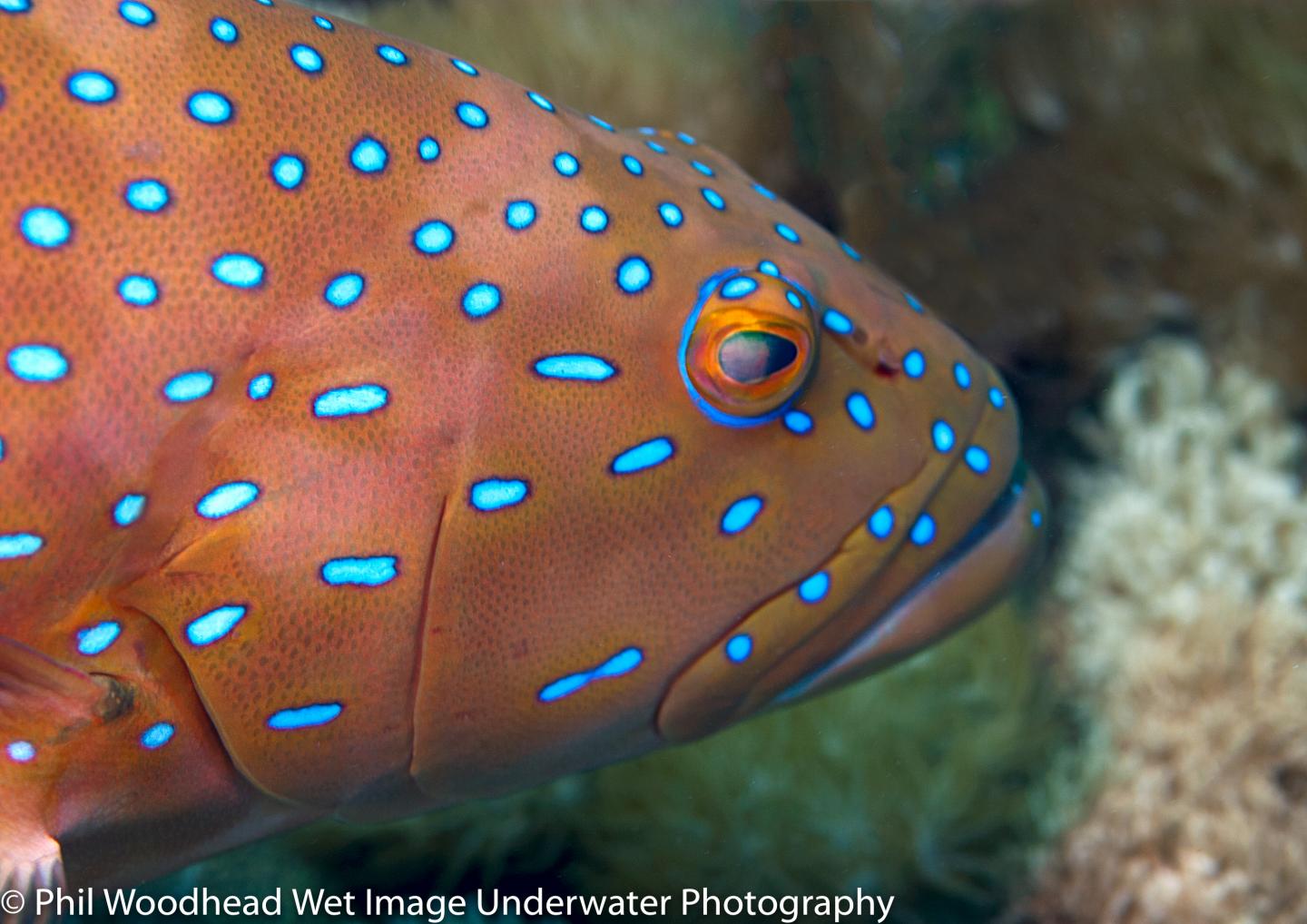
Credit: Phil Woodhead, Wet Image Underwater Photography.

Scientists have used modern genetic techniques to prove age-old assumptions about what sizes of fish to leave in the sea to preserve the future of local fisheries.

“We’ve known for decades that bigger fish produce exponentially more eggs,” said the lead author of the new study, Charles Lavin, who is a research fellow from James Cook University (JCU) and Nord University in Norway.

“However, we also found while these big fish contributed significantly to keeping the population going–they are also rare.”

Co-author Dr Hugo Harrison from the ARC Centre of Excellence for Coral Reef Studies at JCU said as fish grow older, they become more fertile and their chances of having babies increase.

“This is an age-old assumption of fisheries management–and with the help of modern genetics, we can show that this assumption is correct.”

“But the smaller fish are just as important to keeping populations going. They may have fewer babies, but they also are more abundant.”

The study used genetic parentage analysis to identify which adult coral groupers (Plectropomus maculatus) contribute to replenishing fished populations in the Great Barrier Reef Marine Park (GBRMP).

The authors found that large coral groupers are important because they are more likely to replenish the fish stocks removed from the fishery. However, smaller fish are still making a meaningful contribution.

“We show that minimum size-limits on catches are effective at protecting the reproductively mature coral grouper,” Mr Lavin said. “This ensures all fish have the opportunity to reproduce at least once prior to being caught.”

The authors said all fisheries must ensure there are enough fish reproducing to replace the portion of the population that are caught.

“We’re fortunate in the GBRMP to have measures in place that protect both the small and larger fish,” Dr Harrison said.

“These ensure our fisheries remain sustainable and can bounce back quickly after a disturbance.”

In the GBRMP, catches of coral grouper are limited by size and catch limits, as well as seasonal closures to ensure the fishery is productive and sustainable.

“It’s encouraging that these measures are effective,” Mr Lavin said.

“But it’s important that we also protect the bigger, rarer fish inside no-take marine reserves because they are super-productive,” he said.

“For the fisher, this means there will always be fish to catch.”

###

PAPER

Lavin C, Jones G, Williamson D, Harrison H. (2021). ‘Minimum size limits and the reproductive value of numerous, young, mature female fish’. Proceedings of the Royal Society B. DOI: 10.1098/rspb.2020.2714

CONTACT

Hugo Harrison (Townsville, Australia)

P: +61 (0) 499 523 939

E: [email protected]

Charles Lavin (currently travelling)

E: [email protected]

FOR FURTHER INFORMATION

Melissa Lyne/ Coral CoE at JCU (Sydney, Australia)

P: +61 (0) 415 514 328

E: [email protected]

Media Contact
Melissa Lyne
[email protected]

Original Source

https://www.coralcoe.org.au/media-releases/both-old-and-young-fish-sustain-fisheries

Related Journal Article

http://dx.doi.org/10.1098/rspb.2020.2714

Tags: BiologyClimate ChangeDevelopmental/Reproductive BiologyEcology/EnvironmentFisheries/AquacultureMarine/Freshwater BiologyPopulation Biology
Share12Tweet8Share2ShareShareShare2

Related Posts

Assessing the K-NHSPSC: Korean Patient Safety Culture Insights

December 20, 2025

Spot Urine CA 19-9: New Insights in Pediatric Hydronephrosis

December 20, 2025

Discharge Choices for Elderly Surgical Patients Explored

December 20, 2025

Health Needs Influence Care Utilization in Women Veterans

December 20, 2025
Please login to join discussion

POPULAR NEWS

  • Nurses’ Views on Online Learning: Effects on Performance

    Nurses’ Views on Online Learning: Effects on Performance

    70 shares
    Share 28 Tweet 18
  • NSF funds machine-learning research at UNO and UNL to study energy requirements of walking in older adults

    70 shares
    Share 28 Tweet 18
  • Unraveling Levofloxacin’s Impact on Brain Function

    53 shares
    Share 21 Tweet 13
  • Exploring Audiology Accessibility in Johannesburg, South Africa

    51 shares
    Share 20 Tweet 13

About

We bring you the latest biotechnology news from best research centers and universities around the world. Check our website.

Follow us

Recent News

Assessing the K-NHSPSC: Korean Patient Safety Culture Insights

Spot Urine CA 19-9: New Insights in Pediatric Hydronephrosis

Discharge Choices for Elderly Surgical Patients Explored

Subscribe to Blog via Email

Enter your email address to subscribe to this blog and receive notifications of new posts by email.

Join 70 other subscribers
  • Contact Us

Bioengineer.org © Copyright 2023 All Rights Reserved.

Welcome Back!

Login to your account below

Forgotten Password?

Retrieve your password

Please enter your username or email address to reset your password.

Log In
No Result
View All Result
  • Homepages
    • Home Page 1
    • Home Page 2
  • News
  • National
  • Business
  • Health
  • Lifestyle
  • Science

Bioengineer.org © Copyright 2023 All Rights Reserved.