

• HOME
  • NEWS
  • EXPLORE
    • CAREER
      • Companies
      • Jobs
    • EVENTS
    • iGEM
      • News
      • Team
    • PHOTOS
    • VIDEO
    • WIKI
  • BLOG
  • COMMUNITY
    • FACEBOOK
    • INSTAGRAM
    • TWITTER
Friday, September 4, 2026
BIOENGINEER.ORG
No Result
View All Result
  • Login
  • HOME
  • NEWS
  • EXPLORE
    • CAREER
      • Companies
      • Jobs
        • Lecturer
        • PhD Studentship
        • Postdoc
        • Research Assistant
    • EVENTS
    • iGEM
      • News
      • Team
    • PHOTOS
    • VIDEO
    • WIKI
  • BLOG
  • COMMUNITY
    • FACEBOOK
    • INSTAGRAM
    • TWITTER
  • HOME
  • NEWS
  • EXPLORE
    • CAREER
      • Companies
      • Jobs
        • Lecturer
        • PhD Studentship
        • Postdoc
        • Research Assistant
    • EVENTS
    • iGEM
      • News
      • Team
    • PHOTOS
    • VIDEO
    • WIKI
  • BLOG
  • COMMUNITY
    • FACEBOOK
    • INSTAGRAM
    • TWITTER
No Result
View All Result
Bioengineer.org
No Result
View All Result
Home NEWS Science News Biology

Blue gene regulation helps plants respond properly to light

Bioengineer by Bioengineer
June 19, 2018
in Biology
Reading Time: 2 mins read
0
Share on FacebookShare on TwitterShare on LinkedinShare on RedditShare on Telegram
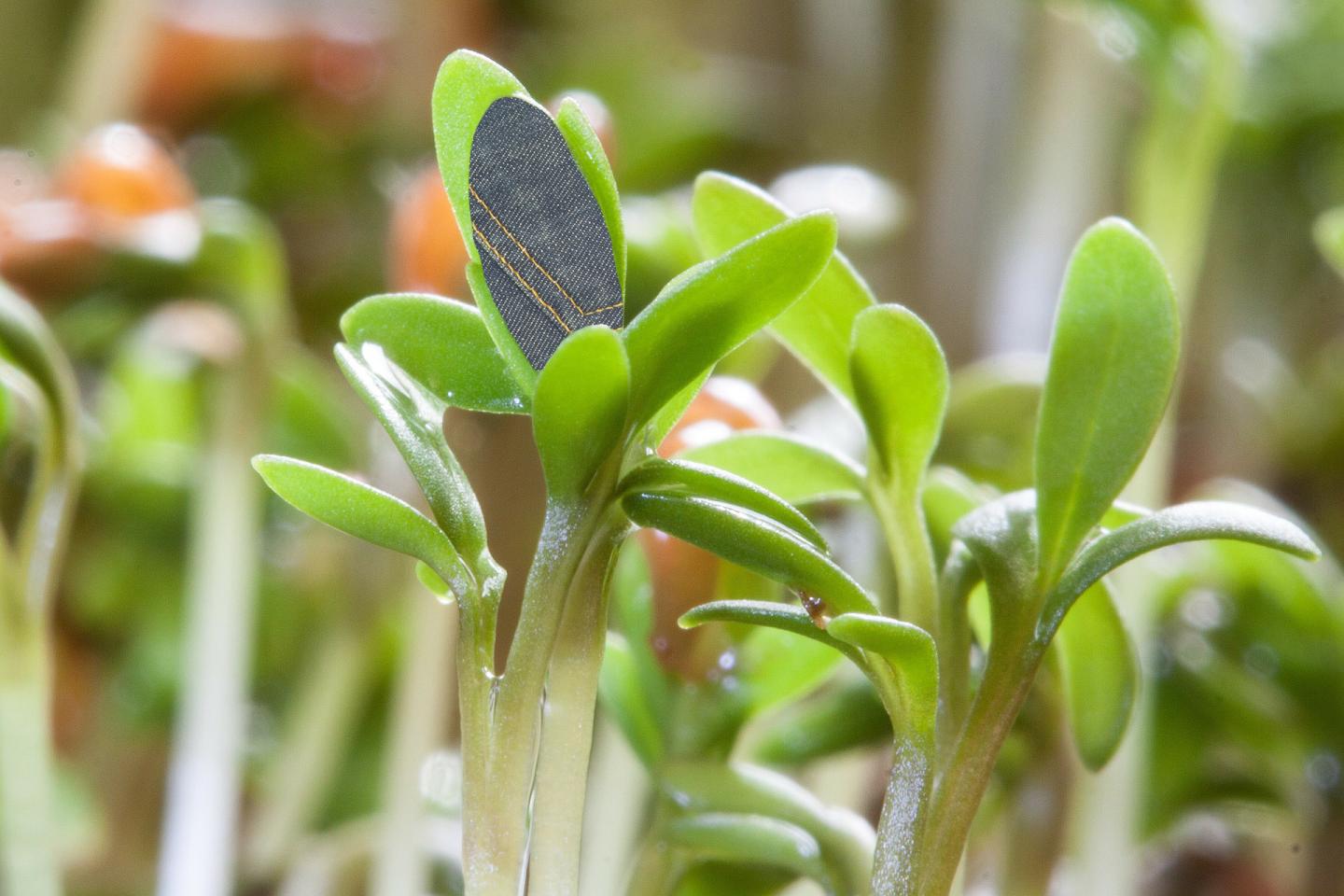
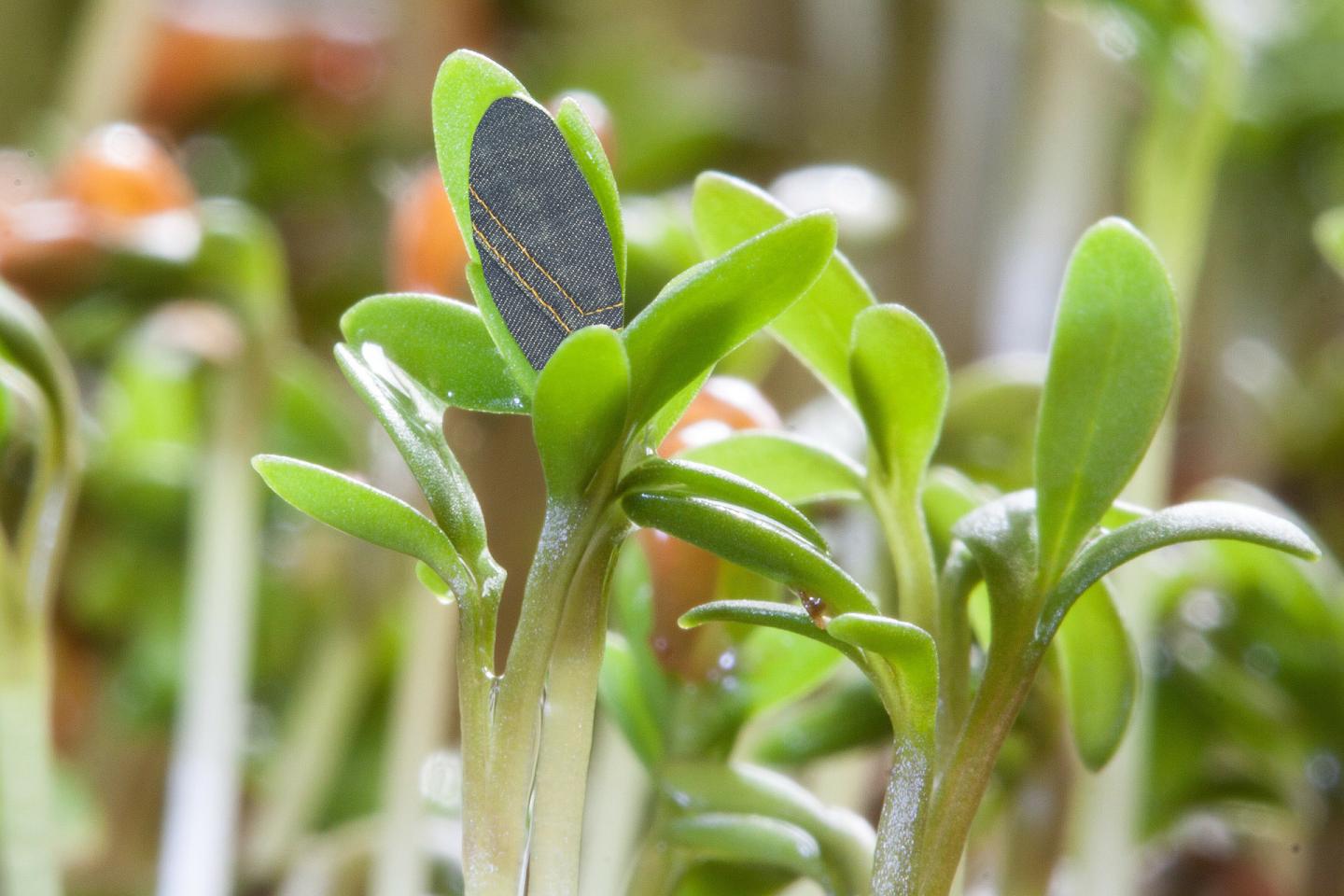
IMAGE

Credit: Public Domain

Researchers at the RIKEN Center for Sustainable Resource Science (CSRS) have discovered a process through which gene expression in plants is regulated by light. Published in Proceedings of the National Academy of Sciences USA, the study found that blue light triggers a shift in which portion of a gene is ultimately expressed.

When a new seedling first emerges from the ground and is exposed to sunlight, in particular, the blue light, it undergoes a series of physiological changes that will allow it to grow and carry out photosynthesis. These changes are possible because blue light triggers the expression of certain genes that are normally silenced in the dark. The CSRS team adapted two new molecular biological techniques for use with plants to reveal how this happens.

Gene expression is a multi-step process. After a gene's DNA is transcribed to RNA, the RNA is read from one end to the other. Areas that are read first are 'upstream' of those that are read later. If a 'start' code is encountered, that region of RNA will be translated into a protein. The trick is that a single gene can contain more than one start code, each one triggering the translation of different portions of the RNA. The team at CSRS lead by Minami Matsui in collaboration with Shintaro Iwasaki at the RIKEN RNA Systems Biochemistry laboratory found that for certain genes, exposure to blue light changes which start code is used, ensuring that the main sequence is translated into protein that can then be used by the plant in light-related processes.

"We found that many mRNA transcription start sites in plants change in the presence of blue light," explains Matsui. "Specifically, they change from the upstream site to the downstream site." The team discovered that when the upstream start code is used, it actually inhibits the use of the downstream start code, and could even lead to the deterioration of the RNA. "Without light, these mRNAs are doomed and unnecessary protein synthesis related to photosynthesis or photomorphogenesis is blocked."

The shift in start code means that when a seedling encounters light for the first time, the RNA remains stable and the light-dependent processes can proceed with proper protein synthesis.

Although this research was aimed at investigating how light-related changes in gene expression occur in plants, Matsui believes that the underlying regulatory process in which start codes are selected based on environmental factors could be widespread and important for animal research as well.

In terms of plants, knowing this process could be beneficial in several ways. "We can devise ways to tightly control the expression of proteins that can damage plants when expressed under improper physiological conditions," notes Matsui. "In the long run, we will be able to more efficiently control plant production of useful proteins and chemicals via synthetic pathways."

###

Kurihara Y, Makita Y, Kawashima M, Fujita T, Iwasaki S, Matsui M (2018) Transcripts from downstream alternative transcription start sites evade uORF-mediated inhibition of gene expression in Arabidopsis. PNAS. doi: 10.1073/pnas.1804971115.

Media Contact

adam phillips
[email protected]
@riken_en

http://www.riken.jp/en/

Original Source

https://itaintmagic.riken.jp/hot-off-the-press/blue-gene-regulation-plants/ http://dx.doi.org/10.1073/pnas.1804971115


Share12Tweet8Share2ShareShareShare2

Related Posts

Plastisphere microbes differ markedly from surrounding aquatic communities, meta-analysis shows

Plastisphere microbes differ markedly from surrounding aquatic communities, meta-analysis shows

September 4, 2026
Steam explosion boosts methane from banana residues and food waste digestion

Steam explosion boosts methane from banana residues and food waste digestion

September 4, 2026

Winter-active biting midges infected with bluetongue virus found in German livestock barns

September 4, 2026

Gut virus communities destabilize after stem cell transplantation

September 4, 2026
Please login to join discussion

POPULAR NEWS

  • Plastisphere microbes differ markedly from surrounding aquatic communities, meta-analysis shows

    29 shares
    Share 12 Tweet 7
  • Deep Learning Advances Food Quality and Safety Management Review

    29 shares
    Share 12 Tweet 7
  • Dry-heat treatment enhances quinoa flour function and shows hypoglycemic effects

    29 shares
    Share 12 Tweet 7
  • Open-source tool automates volcanic cone analysis on Mars and Earth

    29 shares
    Share 12 Tweet 7

About

We bring you the latest biotechnology news from best research centers and universities around the world. Check our website.

Follow us

Recent News

Plastisphere microbes differ markedly from surrounding aquatic communities, meta-analysis shows

Deep Learning Advances Food Quality and Safety Management Review

Dry-heat treatment enhances quinoa flour function and shows hypoglycemic effects

Subscribe to Blog via Email

Enter your email address to subscribe to this blog and receive notifications of new posts by email.

Join 85 other subscribers
  • Contact Us

Bioengineer.org © Copyright 2023 All Rights Reserved.

Welcome Back!

Login to your account below

Forgotten Password?

Retrieve your password

Please enter your username or email address to reset your password.

Log In
No Result
View All Result
  • Homepages
    • Home Page 1
    • Home Page 2
  • News
  • National
  • Business
  • Health
  • Lifestyle
  • Science

Bioengineer.org © Copyright 2023 All Rights Reserved.