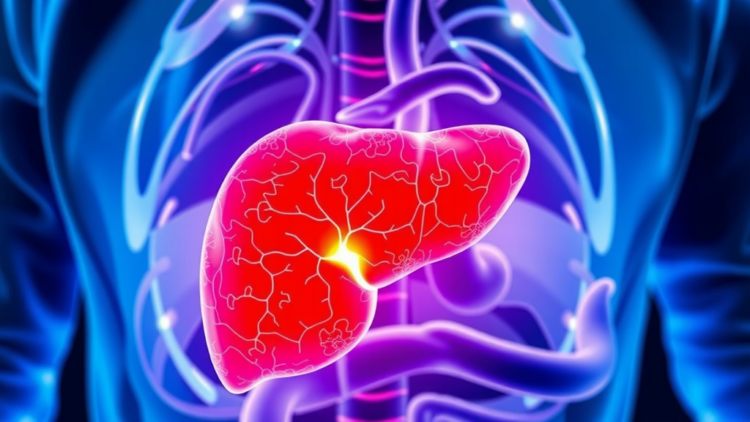
A groundbreaking study published in the prestigious journal Nature Medicine unveils a novel method that promises to revolutionize the diagnosis of Burkitt lymphoma, an aggressive and often fatal childhood cancer common in sub-Saharan Africa. Researchers from the University of Oxford, working closely with the Muhimbili University of Health and Allied Sciences (MUHAS) in Tanzania, have developed a highly accurate liquid biopsy test that drastically reduces the time to diagnosis from an average of nearly 47 days to just over six. This innovation could be a game-changer in battle against this malignancy where early treatment is the difference between life and death.
Burkitt lymphoma, characterized by its rapid proliferation and high mortality rate, particularly challenges health systems in resource-limited settings. Existing diagnostic protocols rely heavily on tissue biopsies, which require sophisticated laboratory facilities and specialized staff—both scarce in many sub-Saharan regions. Consequently, delayed or missed diagnoses contribute significantly to the grim survival rates recorded, often below 50%. However, when detected early, treatment can push survival rates beyond 90%, underscoring the critical need for timely and accessible diagnostic tools.
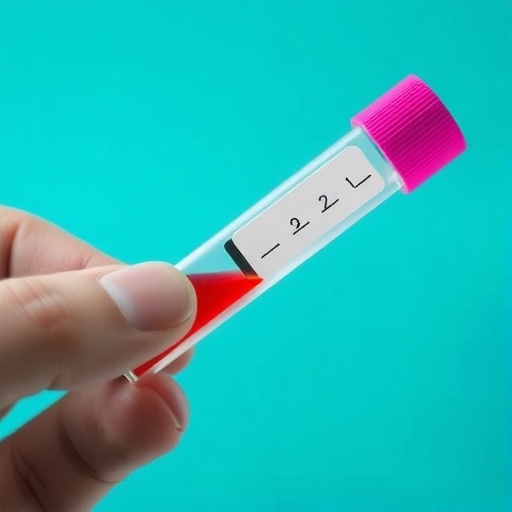
The newly developed liquid biopsy test leverages the detection of circulating tumor DNA—minute fragments of cancer-derived genetic material released into a patient’s bloodstream. Unlike invasive tissue biopsies, this minimally invasive approach requires only a simple blood sample, which can then be analyzed for the genetic signatures specific to Burkitt lymphoma. This circumvents the logistical and technical challenges inherent in traditional diagnostics, paving the way for deployment even in clinics with limited infrastructure.
In this first-of-its-kind clinical evaluation spanning four hospitals across Tanzania and Uganda, the liquid biopsy test demonstrated an outstanding overall accuracy of 98% in distinguishing Burkitt lymphoma from other oncological and non-oncological conditions. Among 81 patients with histologically confirmed Burkitt lymphoma, the test correctly identified 86.4%. These metrics signal a major leap forward, showcasing that liquid biopsy not only speeds up diagnostic timelines but also significantly enhances precision.
Time efficiency emerged as the most profound advantage during this study. On average, liquid biopsy diagnosis was achieved 40.3 days faster than conventional biopsy methods—cutting waiting periods from nearly seven weeks to less than a week. Weekly multidisciplinary team meetings integrating liquid biopsy results into clinical decision-making reported that 93% of patients received diagnoses within one week of sample collection, compared with only 40% when reliant on tissue biopsy. This acceleration holds transformative potential for clinical outcomes.
Professor Anna Schuh, leading expert in Molecular Diagnostics at the University of Oxford and senior author of the study, emphasized that this innovation addresses a pressing unmet need. She highlighted that rapid diagnosis is paramount given Burkitt lymphoma’s aggressive growth rate and that liquid biopsy could revolutionize pediatric oncology in sub-Saharan Africa. By delivering near real-time diagnostic insights, this technology empowers clinicians to initiate life-saving therapies much earlier and could dramatically reduce mortality.
From a technical standpoint, the liquid biopsy method interrogates cell-free DNA in the bloodstream using advanced sequencing techniques paired with bioinformatics analysis. This enables the detection of the Epstein-Barr Virus (EBV)-associated genetic alterations found in nearly 95% of Burkitt lymphoma cases endemic to sub-Saharan Africa. This specificity ensures that the test distinguishes Burkitt lymphoma from other lymphoproliferative disorders and healthy cellular DNA, crucial for accurate and actionable results.
Moreover, the AI-REAL consortium, which funded and coordinated this research, intends for the liquid biopsy test to be a cornerstone in broader efforts to integrate precision medicine into sub-Saharan healthcare systems. Alongside mobile whole-slide imaging for pathology review, the project embodies a holistic approach to overcoming infrastructural barriers through technological innovation. It also couples these tools with local bioinformatics training and health economic evaluations to ensure scalability and sustainability.
Clara Chamba, Head of Haematology at MUHAS and a study co-author, attested to the transformative impact witnessed in real clinical environments. She described how the integration of liquid biopsy into patient management workflows revolutionized treatment timelines. This underscores how scientific breakthroughs, when implemented thoughtfully and collaboratively, can swiftly translate into improved patient care in low-resource settings.
Looking ahead, researchers acknowledge that while this diagnostic breakthrough is monumental, several challenges remain before widescale implementation can be achieved. These include ensuring accessibility across rural clinics, integrating the test into existing health infrastructures, securing regulatory approvals, and supporting local capacity for genomic data interpretation. Nonetheless, the study sets an inspiring precedent for leveraging molecular diagnostics to bridge the healthcare divide.
Professor Bruno Sunguya, Deputy Vice Chancellor for Research at MUHAS, emphasized the broader significance of this work as a model for research-led innovation driven by scientists from low- and middle-income countries. He envisions that the successes realized through liquid biopsy and AI-REAL’s research partnerships will catalyze a new wave of genomic and digital health solutions not only for lymphoma but across diverse cancers endemic to the region.
In conclusion, the advent of this highly accurate liquid biopsy test brings hope for thousands of children afflicted by Burkitt lymphoma in endemic areas. By slashing diagnostic delays and improving detection rates from 40% to over 90%, it could significantly increase timely access to life-saving therapies. As the research community seeks to validate and operationalize this tool at scale, it heralds a new era where cutting-edge cancer diagnostics are no longer the privilege of well-resourced centers but a reality for all communities.
Subject of Research: People
Article Title: LIQUID BIOPSY FOR THE DIAGNOSIS OF EBV-POSITIVE BURKITT LYMPHOMA IN ENDEMIC AREAS
News Publication Date: 19-Mar-2026
Web References:
http://dx.doi.org/10.1038/s41591-026-04291-z
Keywords:
Cancer screening, Oncology, Blood cancer
Tags: Burkitt lymphoma liquid biopsy testcancer diagnostics in sub-Saharan Africachildhood cancer diagnosis in Africacirculating tumor DNA in cancer diagnosisearly detection of Burkitt lymphomaimproving survival rates for childhood cancersinnovative cancer testing technologiesliquid biopsy for pediatric cancersnon-invasive cancer diagnostic methodsreducing diagnostic delays in cancerresource-limited healthcare cancer solutionsUniversity of Oxford cancer research