Acute cholecystitis, a sudden inflammation of the gallbladder that often requires urgent clinical decisions, remains difficult to grade accurately at the bedside. A new case-control study published in BMC Immunology reports that a blood protein called leucine-rich alpha-2-glycoprotein-1, or LRG-1, rises in patients with the condition and, when measured together with inflammatory cytokines, may help distinguish mild from moderate and severe disease.
The research team enrolled 60 patients with acute cholecystitis and 30 healthy controls. Patients were stratified by severity into mild, moderate, and severe groups. Serum levels of LRG-1, tumor necrosis factor-alpha (TNF-α), interleukin-6 (IL-6), and interleukin-10 (IL-10) were measured using enzyme-linked immunosorbent assay.
According to the results, all four biomarkers were significantly higher in patients than in healthy controls, with p-values below 0.05. Their concentrations increased with disease severity, and the markers showed positive correlations with one another, suggesting they track a shared inflammatory process in this cohort.
The diagnostic performance of the markers was assessed using receiver operating characteristic (ROC) curves. A combined model incorporating LRG-1 plus the cytokines achieved an area under the curve (AUC) of 0.962 for diagnosing acute cholecystitis, compared with 0.830 for LRG-1 alone, both statistically significant. The combination also differentiated moderate from mild disease with an AUC of 0.954 and severe from moderate disease with an AUC of 0.902.
Because diagnostic models can appear more accurate than they truly are when evaluated on the same data used to build them, the researchers applied internal validation. Using 1,000 bootstrap resamples with complete model refitting in each resample, they obtained optimism-corrected AUCs of 0.958 for distinguishing patients from controls, 0.934 for mild versus moderate disease, and 0.848 for moderate versus severe disease. A leave-one-out cross-validation was performed as a secondary sensitivity analysis.
The study also examined prognosis. LRG-1 and IL-10 were associated with poor outcomes in the patient group, both with p-values below 0.05. Combined, the two markers predicted poor prognosis with an AUC of 0.960, and a bootstrap-corrected AUC of 0.945.
The authors conclude that the combination of LRG-1, TNF-α, IL-6, and IL-10 appears to have diagnostic value for assessing acute cholecystitis severity, while LRG-1 together with IL-10 may contribute to predicting poor prognosis. They note that LRG-1’s role in evaluating severity had not been studied before this work.
Several limitations deserve emphasis. The study was a single case-control investigation with a modest sample of 60 patients and 30 controls, and the findings are associations rather than proof of clinical benefit. The biomarker panel has not yet been validated in prospective, multicenter cohorts, and the article is being shared early as a peer-reviewed, accepted version that remains subject to further edits before the final version of record. As such, the results should be viewed as a promising step toward better severity stratification, not an established clinical tool.
If confirmed in larger studies, a simple blood-based panel combining LRG-1 with standard inflammatory cytokines could offer clinicians an additional objective measure for triaging patients with acute cholecystitis, a condition in which accurate early stratification of severity and prognosis remains an unmet need.
Subject of Research: Diagnostic and prognostic value of serum LRG-1 with inflammatory cytokines in acute cholecystitis
Article Title: Diagnostic value of LRG-1 in combination with inflammatory factors for the severity and poor prognosis of acute cholecystitis
Article References: Tang, B., & Zhu, Y. (2026). Diagnostic value of LRG-1 in combination with inflammatory factors for the severity and poor prognosis of acute cholecystitis. BMC Immunology. https://doi.org/10.1186/s12865-026-00909-6
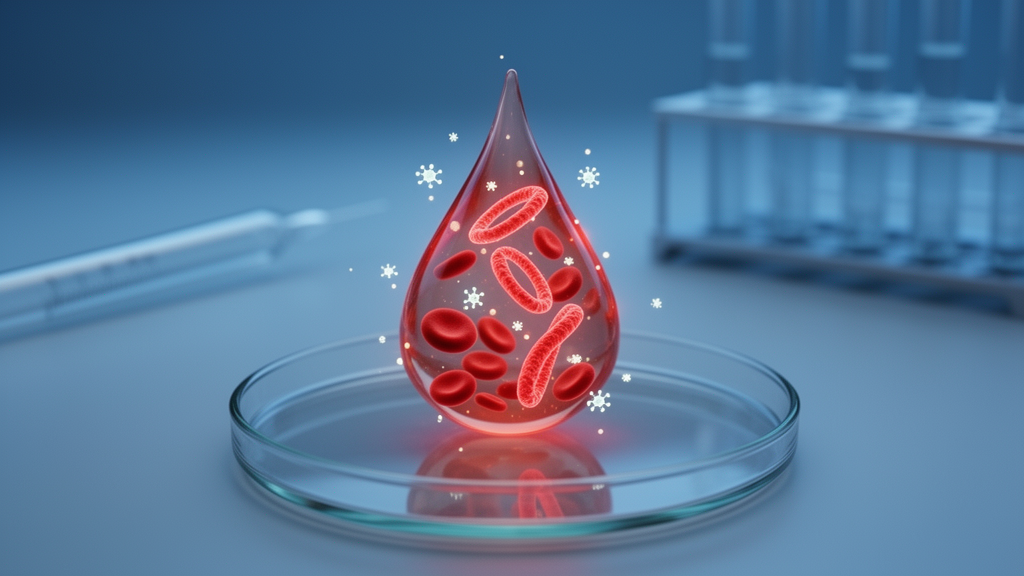
Image Credits: AI Generated
DOI: 10.1186/s12865-026-00909-6
Keywords: acute cholecystitis, LRG-1, biomarkers, cytokines, TNF-alpha, IL-6, IL-10, diagnostic accuracy, ROC analysis, prognosis, case-control study, BMC Immunology
News Source: Ophelia Keating. (October 29, 2026). Blood Protein LRG-1 With Cytokines Shows Promise for Gauging Acute Cholecystitis Severity. Scienmag.