• HOME
  • NEWS
  • EXPLORE
    • CAREER
      • Companies
      • Jobs
    • EVENTS
    • iGEM
      • News
      • Team
    • PHOTOS
    • VIDEO
    • WIKI
  • BLOG
  • COMMUNITY
    • FACEBOOK
    • INSTAGRAM
    • TWITTER
Saturday, September 26, 2026
BIOENGINEER.ORG
No Result
View All Result
  • Login
  • HOME
  • NEWS
  • EXPLORE
    • CAREER
      • Companies
      • Jobs
        • Lecturer
        • PhD Studentship
        • Postdoc
        • Research Assistant
    • EVENTS
    • iGEM
      • News
      • Team
    • PHOTOS
    • VIDEO
    • WIKI
  • BLOG
  • COMMUNITY
    • FACEBOOK
    • INSTAGRAM
    • TWITTER
  • HOME
  • NEWS
  • EXPLORE
    • CAREER
      • Companies
      • Jobs
        • Lecturer
        • PhD Studentship
        • Postdoc
        • Research Assistant
    • EVENTS
    • iGEM
      • News
      • Team
    • PHOTOS
    • VIDEO
    • WIKI
  • BLOG
  • COMMUNITY
    • FACEBOOK
    • INSTAGRAM
    • TWITTER
No Result
View All Result
Bioengineer.org
No Result
View All Result
Home NEWS Science News Health

Biomedical sciences researcher gets $1.67 million federal grant to study gut immunity

Bioengineer by Bioengineer
February 7, 2020
in Health
Reading Time: 2 mins read
0
IMAGE
Share on FacebookShare on TwitterShare on LinkedinShare on RedditShare on Telegram

IMAGE

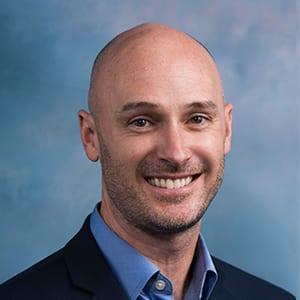
Credit: Georgia State University


ATLANTA–Dr. Tim Denning, professor and associate director of the Institute for Biomedical Sciences at Georgia State University, has received a four-year, $1.67 million federal grant to study how an immunological pathway influences inflammatory signaling in the intestine that can lead to chronic human diseases such as inflammatory bowel disease.

The grant from the National Institutes of Health’s National Institute of Diabetes and Digestive and Kidney Diseases will fund research that may have therapeutic value for treating humans with inflammatory bowel disease, a term for two conditions (Crohn’s disease and ulcerative colitis) that are characterized by chronic inflammation of the gastrointestinal tract.

In the United States, an estimated 3 million adults suffer from inflammatory bowel disease. Common symptoms include persistent diarrhea, abdominal pain, rectal bleeding/bloody stools, weight loss and fatigue, according to the Centers for Disease Control and Prevention.

“While the cause of inflammatory bowel disease is unknown, scientists believe that dysregulated innate and adaptive immune responses directed toward gut microbiota, the microorganisms that live in the digestive tract, are the underlying reason for disease development,” Denning said. “However, much remains to be understood about the immune cells and factors that contribute to inflammatory bowel disease and how they can be controlled to improve human health.”

In collaboration with co-investigator Dr. Didier Merlin, professor in the Institute for Biomedical Sciences, the research team will target an immunological pathway in the colon called the IL-36/IL-36 receptor axis using nanoparticles to test whether manipulating the pathway during intestinal inflammation could be beneficial in treating humans with inflammatory bowel disease. Their previous work has found this pathway is important in regulating immune responses and intestinal inflammation.

The researchers will define how this pathway influences innate and adaptive inflammatory signaling in the intestine of mice that model human inflammatory bowel disease. They will also investigate how interleukin (IL)-36 cytokines (small proteins that are important in cell signaling) control immune cell activation, epithelial barrier protection and restoration. They will explore how these cytokines regulate the gut microbiota using a germ-free mouse facility with mice that have no microorganisms living in or on them.

For more information about the grant, visit https://projectreporter.nih.gov/project_info_description.cfm?aid=9887444&icde=48604669&ddparam=&ddvalue=&ddsub=&cr=3&csb=default&cs=ASC&pball=.

###

Media Contact
LaTina Emerson
[email protected]
404-413-1353

Original Source

https://news.gsu.edu/2020/02/06/biomedical-sciences-researcher-gets-1-67-million-federal-grant-to-study-gut-immunity/

Tags: GastroenterologyImmunology/Allergies/AsthmaMedicine/HealthMicrobiology
Share12Tweet8Share2ShareShareShare2

Related Posts

Loneliness Erodes Bone: Isolation Weakens Male Mice Skeletons but Spares Females

September 26, 2026

Perilla Leaf Extract Extends Lifespan and Cuts Fat in Worms by Rewiring Insulin Signaling

September 26, 2026

Endotoxin on Trial: Massive Review Finds Experimental Inflammation Shots Remarkably Safe

September 26, 2026

New Mass Spectrometry Assay Tracks 42 Obesity Biomarkers in a Single Blood Test

September 26, 2026
Please login to join discussion

POPULAR NEWS

  • Mirror Trick Lets AI Learn Messy Networks Without Any Labels

    29 shares
    Share 12 Tweet 7
  • Loneliness Erodes Bone: Isolation Weakens Male Mice Skeletons but Spares Females

    29 shares
    Share 12 Tweet 7
  • Hidden Elbow Fracture in Babies: One X-ray Clue Stands Out, Study Finds

    29 shares
    Share 12 Tweet 7
  • Cross Reality Seeks a Foothold on the Factory Floor, but the Evidence Is Still Thin

    29 shares
    Share 12 Tweet 7

About

We bring you the latest biotechnology news from best research centers and universities around the world. Check our website.

Follow us

Recent News

Mirror Trick Lets AI Learn Messy Networks Without Any Labels

Loneliness Erodes Bone: Isolation Weakens Male Mice Skeletons but Spares Females

Hidden Elbow Fracture in Babies: One X-ray Clue Stands Out, Study Finds

Subscribe to Blog via Email

Enter your email address to subscribe to this blog and receive notifications of new posts by email.

Join 85 other subscribers
  • Contact Us

Bioengineer.org © Copyright 2023 All Rights Reserved.

Welcome Back!

Login to your account below

Forgotten Password?

Retrieve your password

Please enter your username or email address to reset your password.

Log In
No Result
View All Result
  • Homepages
    • Home Page 1
    • Home Page 2
  • News
  • National
  • Business
  • Health
  • Lifestyle
  • Science

Bioengineer.org © Copyright 2023 All Rights Reserved.