• HOME
  • NEWS
  • EXPLORE
    • CAREER
      • Companies
      • Jobs
    • EVENTS
    • iGEM
      • News
      • Team
    • PHOTOS
    • VIDEO
    • WIKI
  • BLOG
  • COMMUNITY
    • FACEBOOK
    • INSTAGRAM
    • TWITTER
Tuesday, August 11, 2026
BIOENGINEER.ORG
No Result
View All Result
  • Login
  • HOME
  • NEWS
  • EXPLORE
    • CAREER
      • Companies
      • Jobs
        • Lecturer
        • PhD Studentship
        • Postdoc
        • Research Assistant
    • EVENTS
    • iGEM
      • News
      • Team
    • PHOTOS
    • VIDEO
    • WIKI
  • BLOG
  • COMMUNITY
    • FACEBOOK
    • INSTAGRAM
    • TWITTER
  • HOME
  • NEWS
  • EXPLORE
    • CAREER
      • Companies
      • Jobs
        • Lecturer
        • PhD Studentship
        • Postdoc
        • Research Assistant
    • EVENTS
    • iGEM
      • News
      • Team
    • PHOTOS
    • VIDEO
    • WIKI
  • BLOG
  • COMMUNITY
    • FACEBOOK
    • INSTAGRAM
    • TWITTER
No Result
View All Result
Bioengineer.org
No Result
View All Result
Home NEWS Science News

Biologists find invasive snails using new DNA-detection technique

Bioengineer by Bioengineer
September 6, 2025
in Science News
Reading Time: 2 mins read
0
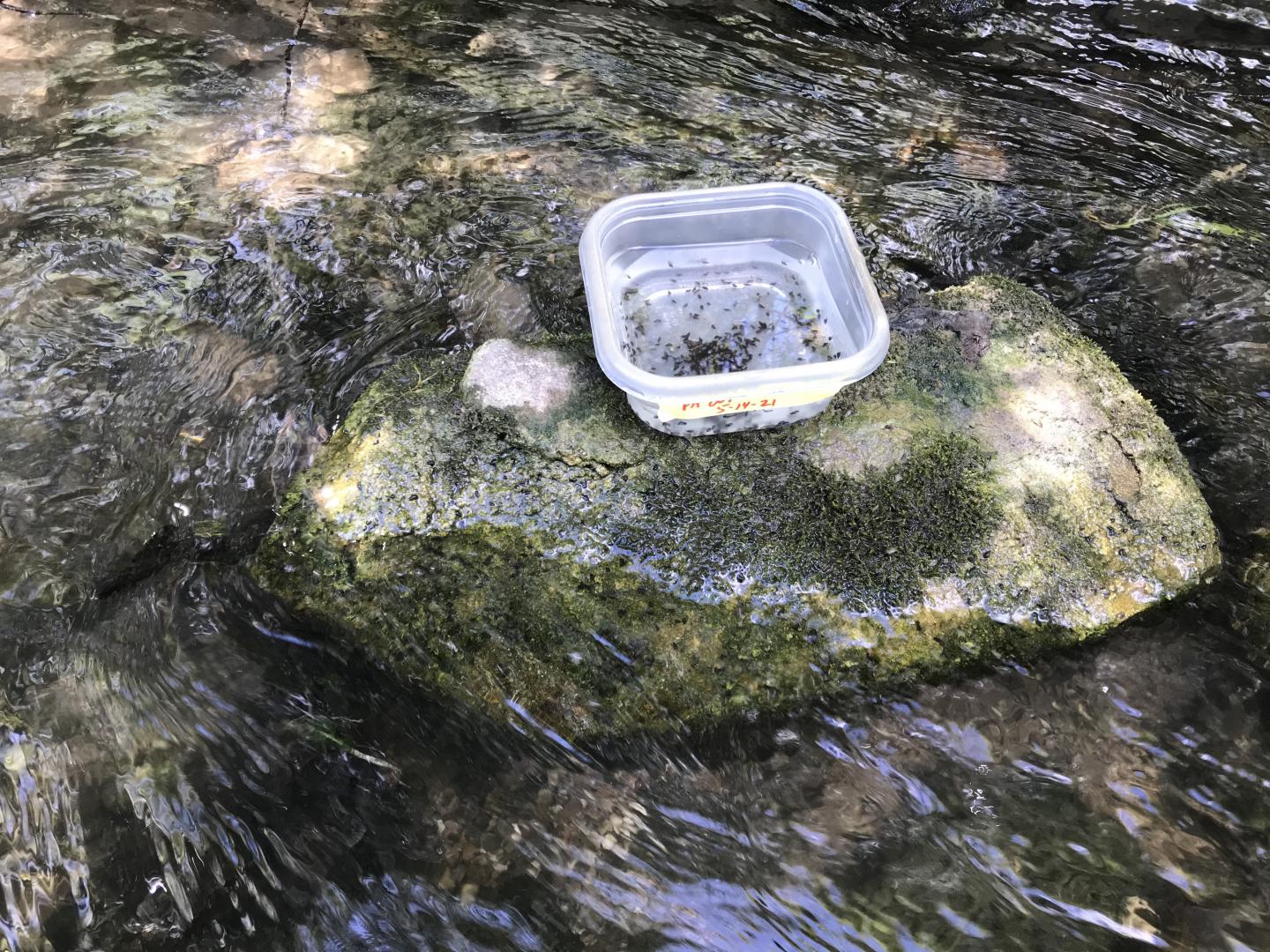
IMAGE
Share on FacebookShare on TwitterShare on LinkedinShare on RedditShare on Telegram

Invasive species, beware: Your days of hiding may be ending.

Biologists led by the University of Iowa discovered the presence of the invasive New Zealand mud snail by detecting their DNA in waters they were inhabiting incognito. The researchers employed a technique called environmental DNA (eDNA) to reveal the snails’ existence, showing the method can be used to detect and control new, unknown incursions by the snail and other invasive species.

“eDNA has been used successfully with other aquatic organisms, but this is the first time it’s been applied to detect a new invasive population of these snails, which are a destructive invasive species in fresh waters around the world,” says Maurine Neiman, associate professor in the Department of Biology and the study’s co-author. “eDNA can be used to find organisms at really early stages of invasion, so it can detect a population even when there are so few of the organisms that traditional methods would never find them.”

The biologists traveled to central Pennsylvania seeking evidence of the presence of the mud snail, which for decades has been spreading in fresh waters in the continental United States, beginning in the Northwest, moving to the Great Lakes, and now migrating along the Eastern Seaboard. The tiny aquatic snails’ population densities can balloon to more than 500,000 individuals in a square yard, covering the water bottom and crowding out native species.

The researchers collected samples from eight sites spread across six rivers in the Susquehanna River watershed, which feeds into Chesapeake Bay and the Mid-Atlantic watershed. Six of the sites had no reported cases of the mud snail, despite physical surveys, while the other two locations had not been studied.

The researchers used the eDNA technique to look for DNA the snails would leave as tracers in sloughed-off skin cells or bodily waste. They discovered the snails were there, after all: The eDNA results confirmed the mud snails were at one site where none had been detected previously, and were likely at low population levels at other sites as well.

“This study presents an important step forward in demonstrating that eDNA can be successfully applied to detect new P. antipodarum invasions and will allow us to more accurately track and potentially halt ongoing range expansion of this destructive invasive species,” wrote James Woodell, a research support technician at University of Hawai?i at Mānoa who performed the research while a master’s student in biology at Iowa and is the study’s corresponding author.

The eDNA technique was developed less than a decade ago. It has been used to ferret out invasive species, including fish, frogs, and crustaceans, in aquatic ecosystems. For this study, the biologists refined the filtering protocols from an existing eDNA sampling system for mud snail detection and tested it for the first time in the field.

###

The study, “Matching a snail’s pace: Successful use of environmental DNA techniques to detect early stages of invasion by the destructive New Zealand mud snail,” was published online on June 1 in the journal Biological Invasions.

Edward Levri, from Pennsylvania State University-Altoona, led the project proposal and is a study co-author. The Mid-Atlantic Panel on Aquatic Invasive Species funded the research.

Media Contact
Richard Lewis
[email protected]
Tags: BiodiversityBiologyBiotechnologyEcology/EnvironmentMarine/Freshwater BiologyPopulation Biology
Share12Tweet8Share2ShareShareShare2

Related Posts

Gene Family Reveals How Tropical Crops Adapt to Heat

Gene Family Reveals How Tropical Crops Adapt to Heat

August 11, 2026
Fungal Necrotizing Otitis Externa: Three Key Clinical Questions Answered

Fungal Necrotizing Otitis Externa: Three Key Clinical Questions Answered

August 11, 2026

More Electrons, Fewer Interfaces: Halide Cathodes Raise All-Solid-State Battery Energy Density

August 11, 2026

Recurrence-linked eccDNA patterns offer new prognostic insights for lung adenocarcinoma

August 11, 2026
Please login to join discussion

POPULAR NEWS

  • Gene Family Reveals How Tropical Crops Adapt to Heat

    29 shares
    Share 12 Tweet 7
  • Fungal Necrotizing Otitis Externa: Three Key Clinical Questions Answered

    29 shares
    Share 12 Tweet 7
  • More Electrons, Fewer Interfaces: Halide Cathodes Raise All-Solid-State Battery Energy Density

    29 shares
    Share 12 Tweet 7
  • Recurrence-linked eccDNA patterns offer new prognostic insights for lung adenocarcinoma

    29 shares
    Share 12 Tweet 7

About

We bring you the latest biotechnology news from best research centers and universities around the world. Check our website.

Follow us

Recent News

Gene Family Reveals How Tropical Crops Adapt to Heat

Fungal Necrotizing Otitis Externa: Three Key Clinical Questions Answered

More Electrons, Fewer Interfaces: Halide Cathodes Raise All-Solid-State Battery Energy Density

Subscribe to Blog via Email

Enter your email address to subscribe to this blog and receive notifications of new posts by email.

Join 86 other subscribers
  • Contact Us

Bioengineer.org © Copyright 2023 All Rights Reserved.

Welcome Back!

Login to your account below

Forgotten Password?

Retrieve your password

Please enter your username or email address to reset your password.

Log In
No Result
View All Result
  • Homepages
    • Home Page 1
    • Home Page 2
  • News
  • National
  • Business
  • Health
  • Lifestyle
  • Science

Bioengineer.org © Copyright 2023 All Rights Reserved.