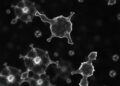
BioIVT, a leading provider of research models and services for drug and diagnostic development, is hosting a webinar in which researchers will discuss how they used a sandwich-cultured human hepatocyte (SCHH) model to investigate the drug-drug interaction (DDI) potential of bempedoic acid, a drug that was recently approved to treat hypercholesterolemia. This online event will be held at 11 a.m. ET on November 11.
Credit: BioIVT
BioIVT, a leading provider of research models and services for drug and diagnostic development, is hosting a webinar in which researchers will discuss how they used a sandwich-cultured human hepatocyte (SCHH) model to investigate the drug-drug interaction (DDI) potential of bempedoic acid, a drug that was recently approved to treat hypercholesterolemia. This online event will be held at 11 a.m. ET on November 11.
“We are excited to have this opportunity to highlight some of the important DDI research we implemented,” said Dr. Kenneth R. Brouwer, Vice President of ADME-Tox at BioIVT. “BioIVT scientists collaborated with colleagues from Esperion Therapeutics, Inc., the University of Washington in Seattle, and Western University in London, Ontario on this project.”
During phase 2 and 3 trials of bempedoic acid, small, reversible increases in serum creatinine and uric acid levels were observed.1 Ensuing in vitro studies showed that bempedoic acid inhibits OAT2-mediated transport of uric acid, creatinine, and cGMP8 with a wide range of potencies.1 But it was unknown whether bempedoic acid would inhibit OAT2-mediated transport in the liver.
To better understand the pharmacokinetics of bempedoic acid disposition, BioIVT designed a study to investigate the drug’s effect on the hepatic disposition of warfarin and naproxen, two well-characterized OAT2 substrates. To ensure in vivo relevant transporter function, TRANSPORTER CERTIFIED® hepatocytes were used in a SCHH model. Warfarin was chosen because it tends to be involved in significant DDIs, it is reportedly dependent on OAT2 for uptake, and hepatic metabolism for clearance. Naproxen was selected as a negative control because results from in human hepatocyte studies have indicated there is no OAT2-mediated hepatic uptake despite contrary findings in in vitro studies in overexpressing systems.1
As part of its comprehensive portfolio of ADME-Tox research services, BioIVT designs and implements programs to help clients with lead selection and optimization, IND submissions, and address mechanistic questions raised during clinical development.
Dr. Maurice Emery, Executive Director at Esperion Therapeutics, will review the results of this SCHH study during the webinar and discuss their potential clinical implications.
Dr. Kenneth Brouwer will discuss how the SCHH model functions as a “whole-cell” system, which can improve the in-vitro in-vivo correlation of transporter-mediated hepatic disposition.
###
Additional information about this complimentary event is available at https://bit.ly/BioIVTDDI.
Reference
- 24th North American ISSX Meeting Poster: Effect of Bempedoic Acid on Warfarin and Naproxen In Vitro Disposition in Sandwich-Cultured Human Hepatocytes (SCHH). Sept. 16, 2021.
About BioIVT
BioIVT is a leading global provider of research models and value-added research services for drug discovery and development. We specialize in control and disease-state biospecimens including human and animal tissues, cell products, blood and other biofluids. Our unmatched portfolio of clinical specimens directly supports precision medicine research and the effort to improve patient outcomes by coupling comprehensive clinical data with donor samples. And as the premier supplier of hepatic products, including hepatocytes and subcellular fractions, BioIVT enables scientists to better understand the pharmacokinetics and drug metabolism of newly discovered compounds and their effects on disease processes. By combining our technical expertise, exceptional customer service, and unparalleled access to biological specimens, BioIVT serves the research community as a trusted partner in elevating science. For more information, please visit www.bioivt.com or follow the company on Twitter @BioIVT.