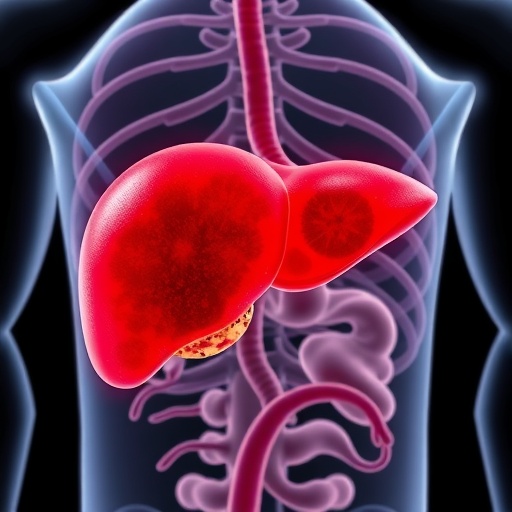
Until now, the scientific discourse on type 2 diabetes has centered almost exclusively on insulin and its pivotal role in glucose metabolism. It has long been established that the hallmark of type 2 diabetes is insulin resistance, a condition where the body’s cells progressively lose their ability to respond effectively to insulin produced by the pancreas. This impaired insulin sensitivity leads to a chronic rise in blood glucose levels, representing the core pathophysiological feature of the disease. However, a groundbreaking study conducted by the German Diabetes Centre (DDZ) compels a paradigm shift by illuminating an equally critical, yet previously underappreciated player in early type 2 diabetes: the hormone glucagon.
Glucagon, known as the counterregulatory hormone to insulin, orchestrates the release of glucose from the liver into the bloodstream, maintaining glucose homeostasis during fasting or energy-demanding states. In healthy individuals, insulin and glucagon act in harmonious balance to tightly regulate blood glucose levels. Disruption of this hormonal equilibrium significantly impacts metabolic stability and glucose regulation. The DDZ study reveals that glucagon levels are markedly elevated in individuals newly diagnosed with type 2 diabetes, specifically in the early postprandial period following a meal. This discovery fundamentally challenges the insulin-centric view of diabetes and highlights an overactive glucagon response that may contribute substantially to the pathogenesis of hyperglycemia.
The study employed robust clinical methodology, analyzing blood samples and metabolic markers from 50 adults recently diagnosed with type 2 diabetes alongside 50 matched controls exhibiting normal blood glucose metabolism. These participants were drawn from the German Diabetes Study, which represents the largest longitudinal examination of adult-onset diabetes in Europe. The researchers meticulously measured glucagon concentrations in the postprandial state and correlated these levels with various metabolic parameters, including liver fat content, insulin resistance indices, and circulating metabolites. This comprehensive approach allowed for a detailed exploration of the interplay between glucagon secretion and metabolic dysfunction.
Remarkably, the researchers found that glucagon levels following a meal in individuals with newly diagnosed type 2 diabetes were approximately 75 percent higher than those observed in individuals without diabetes. This elevation was not primarily attributable to insulin resistance or common metabolic derangements traditionally associated with type 2 diabetes. Rather, the predominant factor linked with increased glucagon was hepatic steatosis, commonly referred to as fatty liver disease or more precisely, Metabolic Dysfunction-Associated Steatotic Liver Disease (MASLD). This suggests that the accumulation of fat in liver cells disrupts the normal regulatory mechanisms controlling glucagon secretion or action.
The implications of these findings are profound. They introduce the concept of ‘hepatic glucagon resistance,’ whereby fatty liver impairs the liver’s responsiveness to glucagon, prompting a compensatory rise in glucagon secretion. This impaired glucagon action contrasts with the classical insulin resistance paradigm and implies a novel mechanism through which metabolic dysregulation ensues in early type 2 diabetes. The liver’s diminished sensitivity to glucagon could lead to aberrant glucose production, fueling hyperglycemia despite the body’s increased glucagon levels. Understanding this dynamic is essential for untangling the complex metabolic web underpinning type 2 diabetes.
From a biochemical perspective, glucagon stimulates hepatic gluconeogenesis and glycogenolysis, processes that liberate glucose into the circulation. Normally, these pathways are tightly controlled. However, fatty infiltration of the liver alters hepatocyte function, potentially disrupting signal transduction pathways that mediate glucagon’s effects. Such hepatic alterations may involve changes in glucagon receptor density, post-receptor signaling aberrations, or interference with downstream effectors such as cyclic AMP (cAMP), protein kinase A (PKA), or phosphoenolpyruvate carboxykinase (PEPCK). The exact molecular mechanisms remain to be elucidated but represent a promising avenue for future research.
Clinically, these insights pave the way for innovative therapeutic strategies targeting the glucagon signaling axis. Several novel pharmacological agents designed to modulate glucagon receptor activity are currently in various stages of clinical trials. These include glucagon receptor antagonists and dual agonists that simultaneously target glucagon and other incretin hormones. By fine-tuning glucagon’s hepatic actions, such therapies may offer dual benefits—ameliorating both hyperglycemia and fatty liver disease. Given the close association between MASLD and type 2 diabetes, addressing hepatic glucagon resistance could revolutionize treatment paradigms.
The study also stresses the critical importance of early identification and intervention in fatty liver disease as a preventative strategy against type 2 diabetes. Since fatty liver appears to be a driving factor in dysregulated glucagon secretion, timely diagnosis through imaging or biomarkers could flag individuals at heightened risk of developing diabetes. Early lifestyle interventions, improved metabolic monitoring, and targeted therapeutics could delay or prevent disease progression by restoring hepatic insulin and glucagon sensitivity.
Importantly, this discovery underscores the intricate relationship between liver health and glucose metabolism, advocating a more integrative approach to managing metabolic disorders. Traditionally, liver steatosis has been seen as a consequence of metabolic disease, but this study suggests a more causative role in the disruption of glucose homeostasis. It also provides a compelling case for redefining metabolic disease frameworks to encompass multi-organ crosstalk and hormonal imbalances beyond insulin alone.
The German Diabetes Centre researchers emphasize the necessity for further studies to confirm whether hepatic glucagon resistance is reversible and the extent to which it can be modulated therapeutically. Such investigations may involve advanced imaging techniques, liver biopsies to characterize cellular and molecular changes, and longitudinal clinical trials assessing the efficacy of glucagon-targeted treatments. Translational research bridging bench science and patient care will be pivotal in harnessing these insights for clinical benefit.
Moreover, this research opens new lines of inquiry into how glucagon dynamics interplay with other metabolic hormones such as incretins (GLP-1 and GIP), cortisol, and catecholamines in the context of fatty liver and diabetes. Understanding these hormonal networks could unearth synergistic therapeutic targets. The potential for biomarker development based on glucagon levels or hepatic responsiveness also holds promise for personalized medicine approaches in diabetes care.
In sum, the DDZ study represents a significant leap forward in unraveling the complexity of type 2 diabetes pathophysiology. By shifting focus to the role of glucagon and hepatic factors in early disease, it challenges existing dogma and catalyzes new therapeutic thought. As the epidemic of type 2 diabetes and fatty liver disease continues to grow globally, such research is vital to forge innovative, effective interventions that target the root causes rather than just managing symptoms.
This evolving understanding forms a critical foundation for future clinical guidelines and patient management strategies. It also stresses the need for interdisciplinary collaborations encompassing endocrinology, hepatology, molecular biology, and pharmacology. The ultimate goal is to curtail the metabolic dysfunction cascade as early as possible, improving quality of life and reducing the burden of chronic complications associated with diabetes and liver disease.
With these profound discoveries, the scientific community edges closer to a comprehensive, mechanistic understanding of type 2 diabetes—one that recognizes the liver’s central role and the complex hormonal dialogues it orchestrates. Such knowledge heralds a new era of metabolic medicine, where precision targeting of both insulin and glucagon pathways could redefine therapeutic success for millions worldwide.
Subject of Research: People
Article Title: Increased Early Postprandial Glucagon Concentrations in Humans With Newly Diagnosed Type 2 Diabetes and Steatotic Liver Disease
News Publication Date: 2-Apr-2026
Web References: https://doi.org/10.2337/dc25-3077
References: Huttasch, M., Kahl, S., Mori, T. et al. (2026). Increased Early Postprandial Glucagon Concentrations in Humans With Newly Diagnosed Type 2 Diabetes and Steatotic Liver Disease. Diabetes Care.
Keywords: Type 2 diabetes, glucagon, insulin resistance, fatty liver disease, hepatic glucagon resistance, metabolic dysfunction, gluconeogenesis, diabetes therapy, liver metabolism, metabolomics
Tags: early biomarkers of type 2 diabetesfatty liver disease and diabetesGerman Diabetes Centre glucagon studyglucagon role in glucose metabolismglucose homeostasis disruption in diabeteshormonal imbalance in metabolic diseasesinsulin resistance and glucagon imbalanceliver glucose release and diabetesmetabolic effects of glucagon in diabetespancreatic hormone regulation in diabetespostprandial glucagon increase type 2 diabetestype 2 diabetes early glucagon elevation