• HOME
  • NEWS
  • EXPLORE
    • CAREER
      • Companies
      • Jobs
    • EVENTS
    • iGEM
      • News
      • Team
    • PHOTOS
    • VIDEO
    • WIKI
  • BLOG
  • COMMUNITY
    • FACEBOOK
    • INSTAGRAM
    • TWITTER
Sunday, May 10, 2026
BIOENGINEER.ORG
No Result
View All Result
  • Login
  • HOME
  • NEWS
  • EXPLORE
    • CAREER
      • Companies
      • Jobs
        • Lecturer
        • PhD Studentship
        • Postdoc
        • Research Assistant
    • EVENTS
    • iGEM
      • News
      • Team
    • PHOTOS
    • VIDEO
    • WIKI
  • BLOG
  • COMMUNITY
    • FACEBOOK
    • INSTAGRAM
    • TWITTER
  • HOME
  • NEWS
  • EXPLORE
    • CAREER
      • Companies
      • Jobs
        • Lecturer
        • PhD Studentship
        • Postdoc
        • Research Assistant
    • EVENTS
    • iGEM
      • News
      • Team
    • PHOTOS
    • VIDEO
    • WIKI
  • BLOG
  • COMMUNITY
    • FACEBOOK
    • INSTAGRAM
    • TWITTER
No Result
View All Result
Bioengineer.org
No Result
View All Result
Home NEWS Science News Biology

Balancing bushmeat trade and conservation vital to ensure livelihoods not threatened

Bioengineer by Bioengineer
March 5, 2020
in Biology
Reading Time: 2 mins read
0
IMAGE
Share on FacebookShare on TwitterShare on LinkedinShare on RedditShare on Telegram

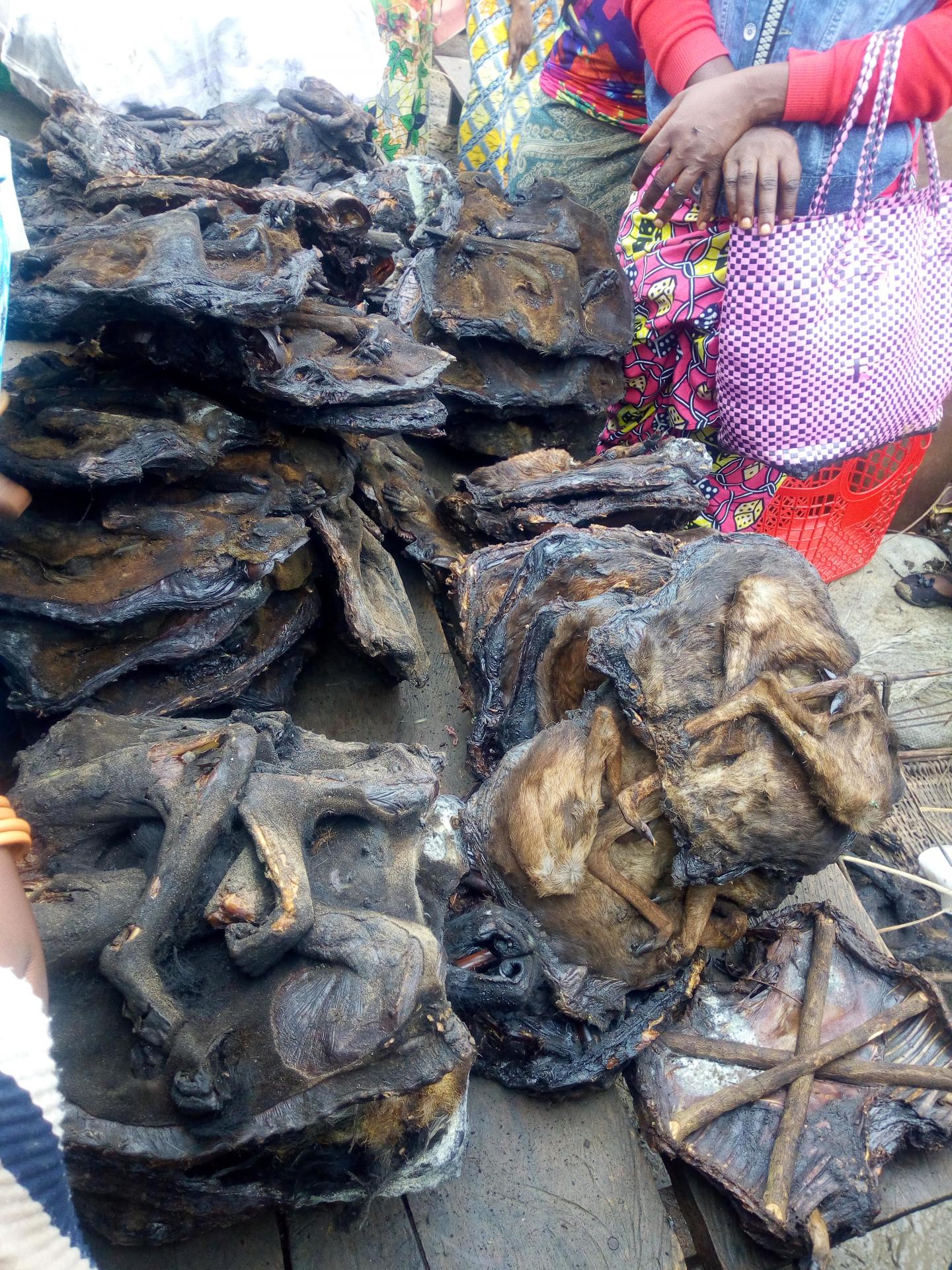
Local communities in the Congo rainforest have been working with researchers from the University of York in a bid to balance the bushmeat trade with conservation
IMAGE

Credit: Rodrigue Batumike


Local communities in the Congo rainforest have been working with researchers from the University of York in a bid to balance the bushmeat trade with conservation.

Bushmeat is the most important source of protein, iron and fat in some parts of Africa, especially in areas where the tsetse flies limits cattle rearing. This includes places like the rainforests of the Congo Basin.

For more than a year, researchers from the University of York have used participatory approaches to understand hunting dynamics around the Lomami National Park, in the Democratic Republic of the Congo in a bid to create a management plan. The park is home to three unique primates including the bonobo, Dryas and Lesula monkey- the later only found in this park in the whole world. Forest elephants and okapis are other unique inhabitants of this park.

Local communities of six different tribes, including Pygmies, were surveyed and researchers also checked to see what was sold at the bushmeat market in Kindu, the largest town near the national park.

The study showed most village hunters reported a decline in several species, which they related to an increased number of foreigner hunters and the use of firearms to kill larger species more easily.

Four species of conservation concern were found in the market, including the Dwarf crocodile Osteolaemus tetraspist. The study estimated more than 40,000 carcasses were sold annually in this market, with a retail value of USD 725,000.

Dr Aida Cuni Sanchez from the Department of Environment and Geography said: “Our research helped managers of the park to answer questions like: what do people prefer to eat, what did they sell to others to pay the school fees of their children, and which are taboo and they do not hunt at all’.

“Dealing with bushmeat hunting is not easy, especially if park managers lack human and economic means, and if animal protein alternatives are limited. This research helped start the discussion, and aided stakeholders realise they are on the same side – local communities also want hunting to be sustainable in the park buffer zone, so that their children can continue to eat meat protein.”

Researchers recommended more clarification for local communities and foreign hunters about which species are endangered and should not be hunted, even in the park buffer zone. They supported calls from local communities to help manage their own wildlife resources in the buffer zone of the park and in the reporting of illegal activities by ‘foreigner hunters’- hunters from outside the study region.

###

The article, “Bushmeat hunting around Lomami National Park, Democratic Republic of the Congo” is published in Oryx–The International Journal of Conservation.

Media Contact
Julie Gatenby
[email protected]
01-904-322-029

Related Journal Article

http://dx.doi.org/10.1017/S0030605319001017

Tags: AgricultureBiologyDeveloping CountriesEcology/EnvironmentForestryPoverty/WealthSocial/Behavioral ScienceSocioeconomics
Share12Tweet8Share2ShareShareShare2

Related Posts

Ancient Plant Populations Reveal Fresh Insights into Climate Resilience — Biology

Ancient Plant Populations Reveal Fresh Insights into Climate Resilience

May 8, 2026
Rare Brain Disorders in Children Linked to Mutations in Lesser-Known Protein Complex — Biology

Rare Brain Disorders in Children Linked to Mutations in Lesser-Known Protein Complex

May 8, 2026

From Odd Insect to Underwater Predator: The Remarkable Evolution of a Bloodthirsty Fruit Fly

May 8, 2026

SNU Professor Sangwoo Seo’s Team Develops Next-Generation CRISPR Biocontainment Technology to Control Microbial Survival Without DNA Cleavage

May 8, 2026
Please login to join discussion

POPULAR NEWS

  • Research Indicates Potential Connection Between Prenatal Medication Exposure and Elevated Autism Risk

    840 shares
    Share 336 Tweet 210
  • New Study Reveals Plants Can Detect the Sound of Rain

    727 shares
    Share 290 Tweet 181
  • Scientists Investigate Possible Connection Between COVID-19 and Increased Lung Cancer Risk

    68 shares
    Share 27 Tweet 17
  • Salmonella Haem Blocks Macrophages, Boosts Infection

    61 shares
    Share 24 Tweet 15

About

We bring you the latest biotechnology news from best research centers and universities around the world. Check our website.

Follow us

Recent News

Evaluating Digoxin Use in Patients with Symptomatic Rheumatic Heart Disease

Evaluating the Effectiveness and Safety of Digitalis Glycosides in Treating Heart Failure

Urdu Fall Risk Questionnaire Adapted for Elderly

Subscribe to Blog via Email

Enter your email address to subscribe to this blog and receive notifications of new posts by email.

Join 82 other subscribers
  • Contact Us

Bioengineer.org © Copyright 2023 All Rights Reserved.

Welcome Back!

Login to your account below

Forgotten Password?

Retrieve your password

Please enter your username or email address to reset your password.

Log In
No Result
View All Result
  • Homepages
    • Home Page 1
    • Home Page 2
  • News
  • National
  • Business
  • Health
  • Lifestyle
  • Science

Bioengineer.org © Copyright 2023 All Rights Reserved.