• HOME
  • NEWS
  • EXPLORE
    • CAREER
      • Companies
      • Jobs
    • EVENTS
    • iGEM
      • News
      • Team
    • PHOTOS
    • VIDEO
    • WIKI
  • BLOG
  • COMMUNITY
    • FACEBOOK
    • INSTAGRAM
    • TWITTER
Sunday, May 24, 2026
BIOENGINEER.ORG
No Result
View All Result
  • Login
  • HOME
  • NEWS
  • EXPLORE
    • CAREER
      • Companies
      • Jobs
        • Lecturer
        • PhD Studentship
        • Postdoc
        • Research Assistant
    • EVENTS
    • iGEM
      • News
      • Team
    • PHOTOS
    • VIDEO
    • WIKI
  • BLOG
  • COMMUNITY
    • FACEBOOK
    • INSTAGRAM
    • TWITTER
  • HOME
  • NEWS
  • EXPLORE
    • CAREER
      • Companies
      • Jobs
        • Lecturer
        • PhD Studentship
        • Postdoc
        • Research Assistant
    • EVENTS
    • iGEM
      • News
      • Team
    • PHOTOS
    • VIDEO
    • WIKI
  • BLOG
  • COMMUNITY
    • FACEBOOK
    • INSTAGRAM
    • TWITTER
No Result
View All Result
Bioengineer.org
No Result
View All Result
Home NEWS Science News Biology

Bacteria able to overcome cost of vancomycin resistance in lab setting

by
September 6, 2025
in Biology
Reading Time: 2 mins read
0
Bacteria able to overcome cost of vancomycin resistance in lab setting
Share on FacebookShare on TwitterShare on LinkedinShare on RedditShare on Telegram

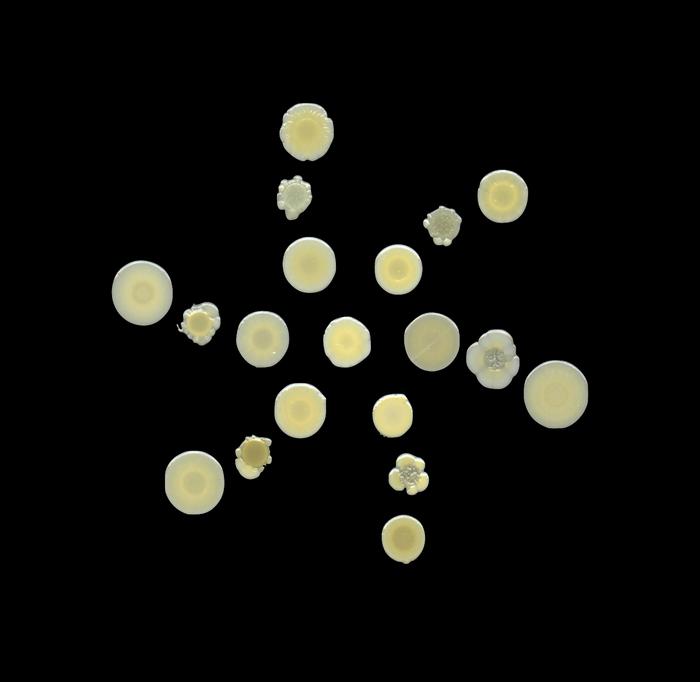
Staphylococcus aureus has the potential to develop durable vancomycin resistance, according to a study published August 28, 2024, in the open-access journal PLOS Pathogens by Samuel Blechman and Erik Wright from the University of Pittsburgh, USA.

Staphylococcus aureus has the potential to develop durable vancomycin resistance, according to a study published August 28, 2024, in the open-access journal PLOS Pathogens by Samuel Blechman and Erik Wright from the University of Pittsburgh, USA.

Despite decades of widespread treatment with the antibiotic vancomycin, vancomycin resistance among the bacterium S. aureus is extremely uncommon—only 16 such cases have reported in the U.S. to date. Vancomycin resistance mutations enable bacteria to grow in the presence of vancomycin, but they do so at a cost. Vancomycin-resistant S. aureus (VRSA) strains grow more slowly and will often lose their resistance mutations if vancomycin is not present. The reason behind vancomycin’s durability and the potential for VRSA strains to further adapt have not been adequately explored.

In this study, researchers took four VRSA strains and grew them in the presence and absence of vancomycin to see how the strains would evolve. They found that strains grown in the presence of vancomycin developed additional mutations in the ddl gene, which has previously been associated with vancomycin dependence. These mutations enabled VRSA strains to grow faster when vancomycin was present. Unlike the original strains, which quickly lost vancomycin resistance, the evolved strains maintained resistance through several generations, even when vancomycin was no longer present.

The study shows that durability of vancomycin susceptibility to date should not be taken for granted. The trade-off that often comes with vancomycin resistance can be overcome if the bacteria is allowed to grow in the presence of vancomycin. As antibiotic resistance continues to grow as a public health threat, studies like this underscores the importance of developing new antibiotics.

The authors add: “The superbug MRSA has been held off by the antibiotic vancomycin for decades. A new study shows we will not be able to count on vancomycin forever.”


############

In your coverage, please use this URL to provide access to the freely available article in PLOS Pathogens: http://journals.plos.org/plospathogens/article?id=10.1371/journal.ppat.1012422

Citation: Blechman SE, Wright ES (2024) Vancomycin-resistant Staphylococcus aureus (VRSA) can overcome the cost of antibiotic resistance and may threaten vancomycin’s clinical durability. PLoS Pathog 20(8): e1012422. https://doi.org/10.1371/journal.ppat.1012422

Author Countries: United States

Funding: This work was supported by the National Institute of Allergies and Infectious Diseases at the National Institutes of Health (grant number 1R21AI144769-01A1 to ESW). The funders had no role in study design, data collection and analysis, decision to publish, or preparation of the manuscript.


DOI

10.1371/journal.ppat.1012422

Method of Research

Experimental study

Subject of Research

Cells

Article Publication Date

29-Aug-2024

COI Statement

Competing Interests: The authors have declared that no competing interests exist.
Share12Tweet8Share2ShareShareShare2

Related Posts

Rising Sightings of Blue and Fin Whales in the South East Atlantic — Biology

Rising Sightings of Blue and Fin Whales in the South East Atlantic

May 23, 2026
New Maps Reveal How European Landscapes Can Simultaneously Promote Climate Action and Biodiversity Conservation — Biology

New Maps Reveal How European Landscapes Can Simultaneously Promote Climate Action and Biodiversity Conservation

May 22, 2026

University of Cincinnati Structural Biologists Achieve World First in Visualizing Crucial Cell Protein

May 22, 2026

Reducing Fertilizer Use Through Strategic Scientific Partnerships

May 22, 2026

POPULAR NEWS

  • ESMO 2025: mRNA COVID Vaccines Enhance Efficacy of Cancer Immunotherapy

    313 shares
    Share 125 Tweet 78
  • New Study Reveals Plants Can Detect the Sound of Rain

    734 shares
    Share 293 Tweet 183
  • Research Indicates Potential Connection Between Prenatal Medication Exposure and Elevated Autism Risk

    847 shares
    Share 339 Tweet 212
  • Common Food Preservatives Associated with Elevated Blood Pressure and Increased Heart Disease Risk

    55 shares
    Share 22 Tweet 14

About

We bring you the latest biotechnology news from best research centers and universities around the world. Check our website.

Follow us

Recent News

Sepsis from C. difficile Infection Has Comparable Mortality

Mortality Trends in Dallas Very Preterm Neonates, 1977–2024

Nanofiber Self-Adhesive Electrode with PEDOT, Polyurethane

Subscribe to Blog via Email

Enter your email address to subscribe to this blog and receive notifications of new posts by email.

Join 83 other subscribers
  • Contact Us

Bioengineer.org © Copyright 2023 All Rights Reserved.

Welcome Back!

Login to your account below

Forgotten Password?

Retrieve your password

Please enter your username or email address to reset your password.

Log In
No Result
View All Result
  • Homepages
    • Home Page 1
    • Home Page 2
  • News
  • National
  • Business
  • Health
  • Lifestyle
  • Science

Bioengineer.org © Copyright 2023 All Rights Reserved.