Scientists have long been intrigued by the potential of natural additives to enhance food products, particularly for those with special dietary needs. Recent research led by Dr. James Cowley from the University of Adelaide highlights the remarkable properties of mucilage produced by two native Australian species of the Plantago genus. This study has unearthed a potential game-changer for gluten-free baking, as the mucilage not only offers improved texture and quality in bread but also presents a more natural alternative to common synthetic additives.
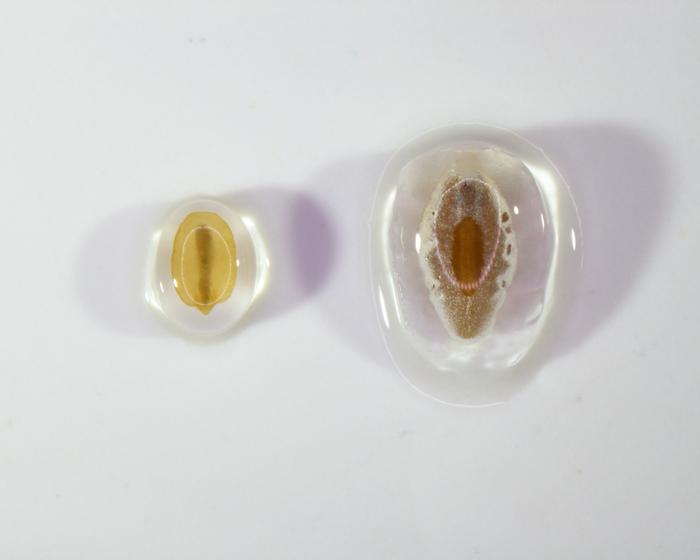
Mucilage is a gelatinous substance that many seeds produce when exposed to moisture. It acts as a viscous gel, demonstrating unique functional properties in food applications, especially as a thickening or emulsifying agent. The two types of Plantago seeds investigated —Plantago turrifera and Plantago ovata— were found to contribute different qualities to gluten-free dough, affecting its elasticity and overall appeal. This variation in performance underscores the importance of not just the presence of mucilage but its specific chemical composition.
Dr. Cowley’s findings shed light on the significance of mucilage in gluten-free bread-making. While many gluten-free products are produced using hydrocolloids like Hydroxypropylmethylcellulose (HPMC), numerous consumers express a preference for more natural ingredients. The research indicates that using Plantago flour significantly boosts dough elasticity, preventing it from collapsing during the fermentation process. As a result, the resulting breads feature improved texture, volume, and appearance—qualities that are often compromised in gluten-free products.
Another surprising finding emerged from the research regarding the composition of mucilage. The team discovered that although Plantago cunninghamii and Plantago turrifera carried lower overall mucilage content than the commonly used Plantago ovata, they still produced gluten-free breads of comparable or even superior quality. This indicates that the characteristics of mucilage should be mapped more comprehensively to foster advancements in gluten-free baking.
Mucilage serves not only as a functional ingredient but also as a potential means to answer the growing consumer demand for more natural and less processed food products. Presently, many gluten-free substitutes include additives that can be perceived as artificial or unnatural by informed consumers. Mucilage from Plantago seeds can be listed simply as “vegetable fiber” on ingredient labels, enhancing its appeal as a clean-label product.
This research also highlights the potential to utilize whole-seed flours rather than relying on extracted products. Traditional psyllium husk, used for its fiber content, is often processed to remove mucilage, yielding waste material that has been underutilized. Dr. Cowley notes that this waste is nutrient-rich and could lead to more sustainable practices in food production.
The capability of the resulting bread to deliver a softer, more springy texture positions it favorably among consumer preferences. The importance of bread’s appearance and tactile qualities cannot be overstated, particularly in markets where gluten-free products often feel dense or unappealing. The new findings suggest that leveraging the unique attributes of Plantago seeds aligns perfectly with evolving demands from gluten-free consumers seeking quality similar to gluten-containing breads.
Dr. Cowley expressed optimism regarding future developments. By understanding how the diverse chemistry of mucilage contributes to desired bread characteristics, researchers can unlock new formulations that push the boundaries of gluten-free baking. The endeavor is crucial as it narrows the quality gap between traditional wheat-based breads and their gluten-free counterparts.
In follow-up studies, the research team aims to delve deeper into understanding mucilage chemistry. This work underscores the significance of collaboration in scientific research, exemplified by the contributions of Dr. Cowley’s adept PhD student, Lucija Štrkalj. Her findings reinforce the thesis that mucilage chemistry plays a pivotal role in developing better-quality gluten-free food products.
The trend toward cleaner labels and minimal ingredient lists reflects a broader shift in consumer behavior, with more individuals seeking healthful options. This ongoing investigation into Plantago mucilage not only resonates with this movement but also demonstrates the remarkable potential of plants to inform innovative food solutions. As this research unfolds, it paves the way for a future where gluten-free products can compete closely with traditional options in every sense—taste, texture, and overall quality.
In conclusion, Dr. Cowley’s research opens up new avenues for incorporating Plantago seeds into the gluten-free realm. By capitalizing on the unique properties of their mucilage, this study offers hope for producing high-quality gluten-free alternatives that meet the growing demand for natural food additives. The implications for the baking industry as well as for gluten-free consumers are significant and suggest exciting developments on the horizon.
As laboratories work diligently to decode the complexities of mucilage interactions within gluten-free baking, it is evident that nature holds the clues to creating sustainable, high-quality, and healthful food products. The future of gluten-free bread may very well be dictated by the innovations stemming from this fascinating research into Plantago seeds and their unique properties.
Subject of Research: Use of Plantago mucilage in gluten-free bread making
Article Title: Enhancing Gluten-Free Bread with Plantago Mucilage: A Natural Alternative
News Publication Date: October 2023
Web References: https://doi.org/10.1016/j.foodhyd.2024.110788
References:
Image Credits: University of Adelaide
Keywords
Natural additives, gluten-free, Plantago, mucilage, food innovation
Tags: Australian native plantsclean-label productsdough elasticityfood chemistryfood texture improvementfunctional food ingredientsgluten-free bakinghydrocolloidsnatural food additivesPlantago mucilagepsyllium husk alternativesustainable food production