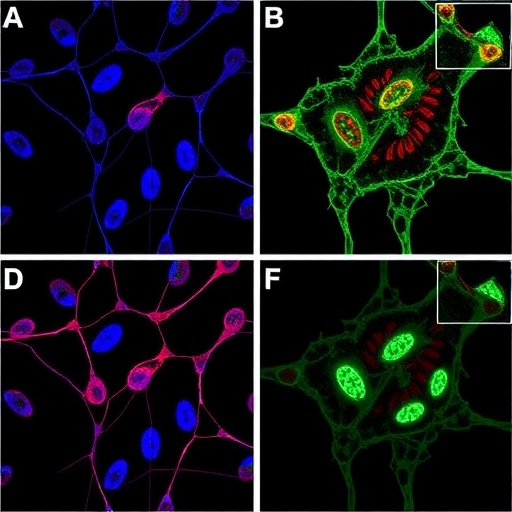
Astrocytes have long been recognized as crucial components of the brain, playing a vital role in maintaining neuronal health and function. Their significance extends beyond mere structural support, positioning them as key metabolic partners in the complex web of neuronal activity. In normal physiological states, astrocytes regulate vital metabolic processes that ensure neurons receive an adequate energy supply. They facilitate the uptake and metabolism of glucose, a fundamental fuel for neuronal activity, thereby underpinning the energy-intensive processes that characterize brain function. Despite constituting only two percent of total body weight, the human brain consumes a staggering twenty percent of the body’s oxygen and twenty-five percent of glucose. Such high metabolic demands underscore the necessity of astrocytes, which predominantly rely on glycolysis for energy production, unlike neurons that primarily harness energy through oxidative phosphorylation.
Recent studies underscore the intricate ways in which astrocytes support neurons metabolically. They act as glycogen reservoirs, storing glucose and mobilizing it in response to heightened neuronal activity. When glucose levels are ample, astrocytes continuously produce pyruvate via glycolysis, converting excess glucose into glycogen for future energy needs. However, the relationship between glucose levels and astrocyte function is complex; overly high glucose concentrations can induce metabolic stress within astrocytes. Under conditions of limited glucose availability or increased neuronal demand, these cells display remarkable metabolic plasticity. They can upregulate alternative energy pathways, utilizing lactate and fatty acids as additional fuel sources, thus adapting to the dynamic metabolic needs of the surrounding neuronal environment.
Moreover, astrocytes play a crucial role in neurotransmitter metabolism, particularly within the glutamate-glutamine cycle. This cycle allows for the conversion of glutamate, the predominant excitatory neurotransmitter, into glutamine through the action of glutamine synthetase, an enzyme exclusive to astrocytes. The generated glutamine is then shuttled back to neurons where it is reconverted into glutamate, ensuring a continuous supply of this essential neurotransmitter for synaptic transmission. This metabolic cooperation is critical for maintaining synaptic homeostasis, and any disturbance can precipitate neurological dysfunction, particularly in diseases such as Alzheimer’s.
Astrocytes are crucial for synaptic activity regulation not only by recycling neurotransmitters but also by secreting gliotransmitters into the extracellular milieu. Glutamate uptake by astrocytes can be metabolized into either glutamine or glutathione, contributing to redox homeostasis and protecting neurons from oxidative stress. The oxidative metabolism of GABA, the major inhibitory neurotransmitter, also occurs within astrocytes, further aligning their metabolic activities with neuronal demands. Thus, astrocytes orchestrate a balance between excitatory and inhibitory neurotransmission, which is vital for cognitive function and overall brain health.
However, the metabolic landscape of astrocytes dramatically shifts in the context of neurodegenerative diseases. During aging and diseases such as Alzheimer’s, astrocyte metabolism becomes dysregulated, contributing to disease progression and exacerbating neuronal dysfunction. Early signs of metabolic alteration in astrocytes can manifest long before the clinical onset of neurodegenerative conditions, with dysregulation of glucose metabolism and the accumulation of amyloid-beta (Aβ) being among the first observed pathological changes. The regional differences in glucose metabolism are also noteworthy; while healthy aging primarily affects the frontal cortex, Alzheimer’s-related impairments are often most pronounced in the parietal lobe and precuneus.
The transition of astrocytes to a reactive state in response to metabolic stimuli or tissue stress is marked by significant changes in morphology and function. Reactive astrocytes often display altered expression of glucose transporters, resulting in glucose hypometabolism—a central feature of astrocytic dysfunction in Alzheimer’s disease. Moreover, connexin channels, which regulate the transport of energy substrates such as ATP and glucose, exhibit altered expression patterns in reactive astrocytes, potentially determining whether they adopt a neuroprotective or neurotoxic phenotype.
In response to stressors like Aβ, reactive astrocytes increase their glucose uptake and enhance glycolysis, leading to a surge in ATP and lactate production. While this shift may initially serve to bolster neuronal energy supply, it also bears the risk of inciting oxidative stress and mitochondrial dysfunction over the long term. Research has demonstrated that lactate can trigger astrogliosis via the Akt and STAT3 signaling pathways, intertwining metabolic shifts and astrocytic reactivity with neurodegenerative disease pathology.
Genetic factors also significantly influence astrocyte metabolism and their reactivity in the context of diseases. For instance, the presence of the APOE4 allele, which is associated with an increased risk of Alzheimer’s disease, has been linked to elevated lactate production in astrocytes. This shift alters the metabolic environment and increases astrocytic sensitivity to inflammatory stimuli, leading to exaggerated reactive responses. Other genetic variations, including those related to PSEN1 mutations, have also been shown to lower the threshold at which astrocytes enter reactive states, thus enhancing their inflammatory responses to minimal stimuli and exacerbating neurodegenerative processes.
In models of amyotrophic lateral sclerosis, mutations in SOD1 do not alter the baseline states of astrocytes but instead sensitize them to various forms of stress, resulting in heightened reactivity. This suggests a convergence of several disparate mechanisms that ultimately lead to similar outcomes in astrocytic behavior under pathological conditions—the reprogramming of their metabolic functions amplifies maladaptive responses, reshaping the neuroinflammatory landscape.
Insulin signaling has emerged as another pivotal factor regulating astrocyte metabolism under both physiological and pathological contexts. Studies reveal that insulin can enhance the expression of enzymes responsible for degrading amyloid-beta, thus influencing astrocytic metabolism and Aβ clearance. Conversely, deficiencies in the insulin-like growth factor receptor pathway correlate with impaired glucose metabolism, thereby hampering the brain’s ability to clear harmful amyloid aggregates.
Furthermore, lipid dysregulation is implicated in both Alzheimer’s and Huntington’s diseases, and while astrocytes can use fatty acids as an alternative energy source, prolonged reliance on lipid oxidation may lead to oxidative stress and mitochondrial impairment. This underscores the delicate balance astrocytes must maintain regarding their metabolic substrates, emphasizing the need for further exploration into their metabolic roles in health and disease.
Astrocytes are not just passive supporters of neuronal health; they actively engage in metabolic processes that critically shape brain function and resiliency. Their transition to reactivity in response to stressors epitomizes the complex interplay of metabolic activity and neuroprotection. The emerging understanding of how astrocytes react not just under normal physiological conditions but also during pathological states offers tantalizing prospects for therapeutic intervention. In particular, exploring astrocytic mechanisms allows researchers to consider novel strategies aimed at modulating astrocyte activity to preserve or restore brain health. For instance, leveraging the astrocytic urea cycle for neuroprotection and promoting a “liver-like” detoxification pathway in the brain exemplifies one of the many promising avenues currently under investigation.
As research continues to elucidate the multifaceted roles of astrocytes in both health and disease, it becomes clear that these star-shaped glial cells may indeed hold the key to unlocking new therapeutic strategies for combatting neurodegenerative diseases and enhancing cognitive resilience in the aging brain. The potential implications of these findings are immense, representing a revolutions in our understanding of brain metabolism, neurodegeneration, and the essential role astrocytes play in maintaining neural homeostasis.
As we look to the future, a clearer picture of astrocyte function—and dysfunction—will not only enhance our basic understanding of neurobiology but may also lead to groundbreaking interventions that capitalize on the metabolic machinery of these glial cells. The exploration of astrocyte reactivity and metabolism promises to provide a rich field of inquiry that may ultimately lead to innovative strategies for safeguarding neuronal health and combating the effects of neurodegenerative diseases.
Subject of Research: Metabolic Roles of Astrocytes in Neural Function and Disease
Article Title: The rise of astrocytes: are they guardians or troublemakers of the brain disorder?
Article References:
Kim, H.Y., Kim, S., Akaydin, A.N. et al. The rise of astrocytes: are they guardians or troublemakers of the brain disorder?
Exp Mol Med (2026). https://doi.org/10.1038/s12276-025-01627-6
Image Credits: AI Generated
DOI: 05 February 2026
Keywords: Astrocytes, metabolism, neurodegeneration, Alzheimer’s disease, glial cells, neurotransmitter recycling, glucose metabolism, neuroprotection.
Tags: astrocytes and brain oxygen consumptionastrocytes and neurological disordersAstrocytes in brain healthbrain energy metabolism dynamicsfunction of astrocytes in brain disordersglycogen storage in astrocytesglycolysis in astrocyte energy productionimpact of glucose on astrocyte functionmetabolic stress in astrocytesmetabolic support of neurons by astrocytesrelationship between astrocytes and neuronsrole of astrocytes in neuronal metabolism