• HOME
  • NEWS
  • EXPLORE
    • CAREER
      • Companies
      • Jobs
    • EVENTS
    • iGEM
      • News
      • Team
    • PHOTOS
    • VIDEO
    • WIKI
  • BLOG
  • COMMUNITY
    • FACEBOOK
    • INSTAGRAM
    • TWITTER
Saturday, February 7, 2026
BIOENGINEER.ORG
No Result
View All Result
  • Login
  • HOME
  • NEWS
  • EXPLORE
    • CAREER
      • Companies
      • Jobs
        • Lecturer
        • PhD Studentship
        • Postdoc
        • Research Assistant
    • EVENTS
    • iGEM
      • News
      • Team
    • PHOTOS
    • VIDEO
    • WIKI
  • BLOG
  • COMMUNITY
    • FACEBOOK
    • INSTAGRAM
    • TWITTER
  • HOME
  • NEWS
  • EXPLORE
    • CAREER
      • Companies
      • Jobs
        • Lecturer
        • PhD Studentship
        • Postdoc
        • Research Assistant
    • EVENTS
    • iGEM
      • News
      • Team
    • PHOTOS
    • VIDEO
    • WIKI
  • BLOG
  • COMMUNITY
    • FACEBOOK
    • INSTAGRAM
    • TWITTER
No Result
View All Result
Bioengineer.org
No Result
View All Result
Home NEWS Science News

Archaeological data demand new approaches to biodiversity conservation

Bioengineer by Bioengineer
April 19, 2021
in Science News
Reading Time: 2 mins read
0
IMAGE
Share on FacebookShare on TwitterShare on LinkedinShare on RedditShare on Telegram

IMAGE

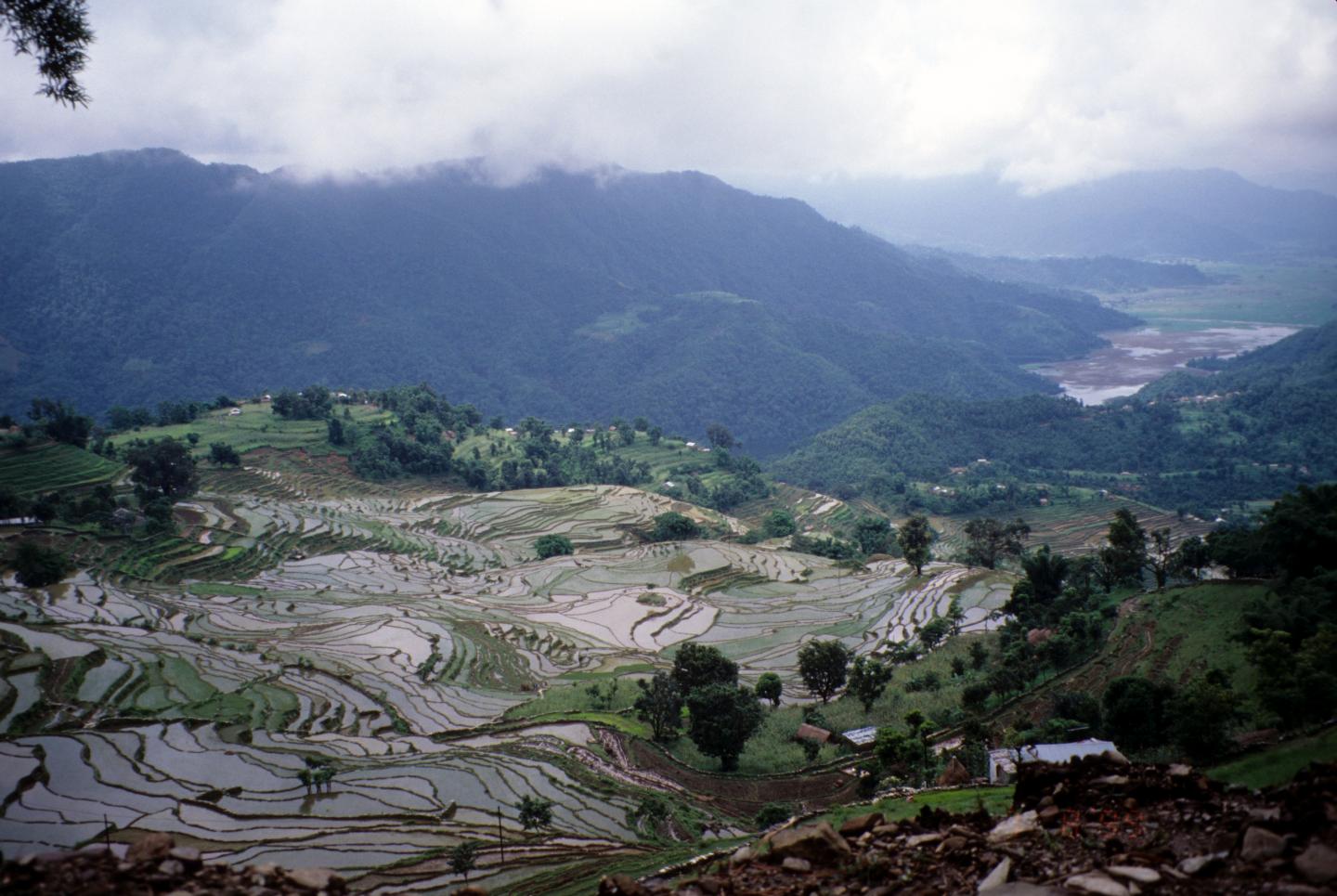
Credit: Erle Ellis

Professor Nicole Boivin, Director of the Department of Archaeology at the Max Planck Institute for the Science of Human History in Jena, Germany, is part of an international initiative to examine the implications of past land use for contemporary conservation efforts.

The multi-disciplinary team, which includes archaeologists, ecologists, anthropologists and conservation managers, has reconstructed ancient population and land use to show that already by 12,000 years ago, humans had re-shaped much of the terrestrial biosphere.

Their data challenge the idea that conservation is about returning lands to their natural and pristine state.

“Much of the land area we regard today as ‘wild’ has in fact been shaped by millennia of human activity,” observes Professor Boivin. “But not all human activity is ‘bad.’ Our study found a close correlation between areas of high biodiversity and areas long occupied by Indigenous and traditional peoples.”

Beginning thousands of years ago, human societies have long re-shaped landscapes through practices of burning, management, agriculture and plant and animal domestication. These activities have made landscapes more productive for human use. But what is also clear is that in many cases they have supported high species richness and enriched biodiversity.

“The problem is not human use per se,” notes Professor Boivin. “The problem is the kind of land use we see in industrialised societies – characterized by unsustainable agricultural practices and unmitigated extraction and appropriation.”

The work has major implications for conservation practices. Rather than trying to return land to an unattainable ‘pristine’ state, the authors demonstrate how many conservation efforts would achieve more by empowering traditional and Indigenous societies and supporting local, community-based sustainable ecosystem management.

By comparing millennia of global land use with current levels of biodiversity, the scientists demonstrate how natural and cultural heritage often go hand in hand. “Conservation has so much to gain from working more closely with archaeologists and anthropologists to understand the long-term history of the regions they work in,” says the study’s lead author, Professor Erle C. Ellis of the University of Maryland, Baltimore County.

“Some earlier conservation efforts focused on removing people from the equation to protect natural landscapes, or to allow human-altered landscapes to return to their pristine state,” states Professor Boivin. “We are arguing for something different. We need to recognize that some types of human activity – particularly more traditional land management practices that we see in the archaeological record or practiced today by many Indigenous peoples – are actually really supportive of biodiversity. We need to promote and empower that.”

###

Media Contact
AJ Zeilstra
[email protected]

Related Journal Article

http://dx.doi.org/10.1073/pnas.2023483118

Tags: AnthropologyArchaeologyBiodiversityClimate ChangeEarth ScienceEcology/EnvironmentForestry
Share12Tweet8Share2ShareShareShare2

Related Posts

Decoding Prostate Cancer Origins via snFLARE-seq, mxFRIZNGRND

February 7, 2026

Digital Health Perspectives from Baltic Sea Experts

February 7, 2026

Florida Cane Toad: Complex Spread and Selective Evolution

February 7, 2026

Exploring Decision-Making in Dementia Caregivers’ Mobility

February 7, 2026
Please login to join discussion

POPULAR NEWS

  • Robotic Ureteral Reconstruction: A Novel Approach

    Robotic Ureteral Reconstruction: A Novel Approach

    82 shares
    Share 33 Tweet 21
  • Digital Privacy: Health Data Control in Incarceration

    63 shares
    Share 25 Tweet 16
  • Study Reveals Lipid Accumulation in ME/CFS Cells

    57 shares
    Share 23 Tweet 14
  • Breakthrough in RNA Research Accelerates Medical Innovations Timeline

    53 shares
    Share 21 Tweet 13

About

We bring you the latest biotechnology news from best research centers and universities around the world. Check our website.

Follow us

Recent News

Decoding Prostate Cancer Origins via snFLARE-seq, mxFRIZNGRND

Digital Health Perspectives from Baltic Sea Experts

Florida Cane Toad: Complex Spread and Selective Evolution

Subscribe to Blog via Email

Enter your email address to subscribe to this blog and receive notifications of new posts by email.

Join 73 other subscribers
  • Contact Us

Bioengineer.org © Copyright 2023 All Rights Reserved.

Welcome Back!

Login to your account below

Forgotten Password?

Retrieve your password

Please enter your username or email address to reset your password.

Log In
No Result
View All Result
  • Homepages
    • Home Page 1
    • Home Page 2
  • News
  • National
  • Business
  • Health
  • Lifestyle
  • Science

Bioengineer.org © Copyright 2023 All Rights Reserved.